
In the world of manufacturing, machining is a fundamental process used to shape raw materials into precise components. There are two primary methods of machining: CNC (Computer Numerical Control) machining and manual machining. As a supplier of CNC machining services, I often encounter inquiries about the differences between these two approaches. In this blog post, I'll delve into the key distinctions between CNC machining and manual machining, highlighting their respective advantages, limitations, and ideal applications.
Understanding Manual Machining
Manual machining is the traditional method of shaping materials using hand - operated tools and machinery. Skilled machinists use lathes, mills, drills, and other equipment to cut, shape, and finish workpieces. They rely on their expertise, experience, and physical dexterity to control the machining process.
One of the most significant advantages of manual machining is its flexibility. A skilled machinist can quickly adapt to changes in the workpiece or the machining process. For example, if a small adjustment needs to be made to the dimensions of a part, the machinist can make that change on - the - fly without the need for complex programming. Manual machining is also relatively inexpensive to set up. Since it doesn't require sophisticated software or high - end computer systems, the initial investment for a manual machining shop can be quite low. This makes it a viable option for small - scale production or for businesses with limited budgets.
However, manual machining also has its limitations. Precision can be a challenge, especially when dealing with complex geometries or tight tolerances. Human error is always a factor, and even the most experienced machinist may make mistakes. Additionally, manual machining is generally slower than CNC machining. Machinists need to operate the equipment manually, which means that production rates are limited by their physical capabilities. For large - scale production runs, manual machining can be time - consuming and costly.
Exploring CNC Machining
CNC machining, on the other hand, is a highly automated process that uses computer - controlled machines to perform machining operations. The machining instructions are programmed into a computer using specialized software, and the machine then follows these instructions precisely.
One of the most prominent advantages of CNC machining is its precision. CNC machines can achieve extremely high levels of accuracy, often within a few thousandths of an inch. This makes them ideal for producing parts with complex geometries and tight tolerances. For example, in industries such as aerospace and medical device manufacturing, where precision is critical, CNC machining is the go - to method.
CNC machining also offers high repeatability. Once a program is created, the machine can produce identical parts over and over again with minimal variation. This is crucial for large - scale production runs, where consistency is essential. Another benefit of CNC machining is its efficiency. CNC machines can operate continuously, 24/7 if needed, with minimal human intervention. This results in faster production times and higher output compared to manual machining.
However, CNC machining also has some drawbacks. The initial investment for CNC equipment is relatively high. The machines themselves are expensive, and there is also a cost associated with purchasing the necessary software and training operators. Additionally, programming CNC machines can be complex and time - consuming. It requires a certain level of technical expertise, and any errors in the program can lead to costly mistakes.
Ideal Applications for Each Method
The choice between CNC machining and manual machining depends on several factors, including the complexity of the part, the required precision, the production volume, and the budget.
For small - scale production or prototyping, manual machining may be a better option. It allows for quick changes and adjustments, and the lower setup costs make it more economical for producing a small number of parts. For example, a custom jewelry maker may use manual machining to create unique, one - of - a - kind pieces.
On the other hand, CNC machining is better suited for large - scale production runs and parts that require high precision and repeatability. Industries such as automotive, aerospace, and electronics often rely on CNC machining to produce complex components in large quantities. For instance, the production of Stainless Steel Pump Body often demands high precision and large - scale production, making CNC machining the ideal choice.
Our CNC Machining Services
As a CNC machining supplier, we offer a wide range of services to meet the diverse needs of our customers. Our state - of - the - art CNC machines are capable of producing parts with the highest levels of precision and quality. We have a team of experienced programmers and operators who can handle even the most complex machining projects.
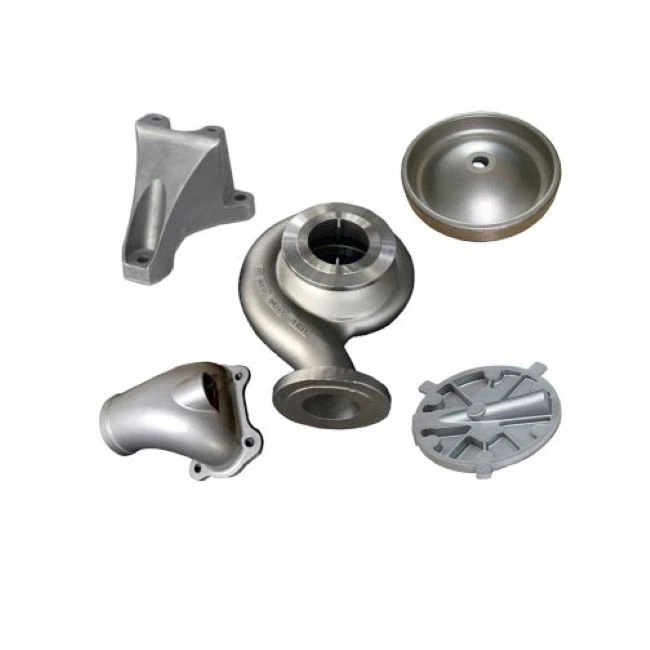
We also provide Customize Stainless Steel Investment Casting Parts. This process combines the benefits of investment casting with the precision of CNC machining to create high - quality, customized parts. Whether you need a single prototype or a large production run, we have the capabilities to deliver.
Our CNC Machining services cover a variety of materials, including metals, plastics, and composites. We can work with you to select the best material for your application and ensure that the final product meets your specifications.
Conclusion
In conclusion, both CNC machining and manual machining have their place in the manufacturing industry. Manual machining offers flexibility and lower setup costs, making it suitable for small - scale production and prototyping. CNC machining, on the other hand, provides high precision, repeatability, and efficiency, making it ideal for large - scale production and parts with complex geometries.
If you're looking for high - quality CNC machining services, we'd love to hear from you. Whether you have a specific project in mind or just need some advice on the best machining method for your application, our team of experts is here to help. Contact us today to discuss your requirements and get a quote.

References
- "Manufacturing Engineering & Technology" by S. Kalpakjian and S. R. Schmid
- "CNC Programming Handbook" by Mark Linfield and Tony Hetherington
- Industry whitepapers on machining processes from leading manufacturing associations