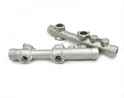

As a supplier of Magnetic Powder Inspection (MPI) services and equipment, I've seen firsthand how crucial it is to understand the factors that influence the visibility of magnetic particle indications. MPI is a widely used non-destructive testing method that helps detect surface and near-surface defects in ferromagnetic materials. In this blog, I'll break down the key elements that can make or break the visibility of those all-important magnetic particle indications.


Magnetic Field Strength
One of the most fundamental factors affecting the visibility of magnetic particle indications is the strength of the magnetic field applied during the inspection. If the magnetic field is too weak, the magnetic particles won't be attracted strongly enough to the defects, resulting in faint or non-existent indications. On the other hand, if the field is too strong, it can cause the particles to cluster together in an uncontrolled manner, making it difficult to distinguish between actual defects and false indications.
We always recommend using a calibrated magnetic field indicator to ensure that the field strength is within the optimal range for the specific application. This helps us achieve clear and reliable indications, which are essential for accurate defect detection. For more detailed information on MPI, you can check out our Magnetic Powder Inspection page.
Surface Condition
The condition of the surface being inspected plays a significant role in the visibility of magnetic particle indications. Any contaminants, such as oil, grease, rust, or scale, can interfere with the movement and adhesion of the magnetic particles, leading to reduced visibility. Before starting the inspection, it's crucial to clean the surface thoroughly to remove any foreign substances.
We typically use solvents, abrasive blasting, or mechanical cleaning methods to prepare the surface. However, it's important to be careful not to damage the surface or alter the defect characteristics during the cleaning process. A smooth and clean surface allows the magnetic particles to move freely and adhere to the defects, resulting in more distinct indications.
Particle Characteristics
The type and quality of the magnetic particles used in the inspection can also have a major impact on the visibility of the indications. Different particle formulations are available, each with its own unique properties, such as size, shape, color, and magnetic properties.
Fine particles tend to provide better sensitivity and can detect smaller defects, but they may also be more difficult to see, especially on rough or dirty surfaces. Coarser particles, on the other hand, are more visible but may not be as effective at detecting small defects. The color of the particles is also important, as it should contrast well with the surface being inspected to enhance visibility.
We offer a wide range of magnetic particles to suit different inspection requirements. Our experts can help you choose the right particles based on the specific application, surface condition, and defect size you're trying to detect.
Lighting Conditions
Proper lighting is essential for visualizing magnetic particle indications. Insufficient lighting can make it difficult to see the indications, especially if they are small or faint. On the other hand, too much light can cause glare and reflections, which can also obscure the indications.
We recommend using a combination of ambient light and a focused light source, such as a flashlight or a special MPI light, to illuminate the surface evenly. The light should be directed at an angle to the surface to enhance the contrast between the indications and the background. This helps make the indications more visible and easier to interpret.
Inspection Technique
The way the magnetic field is applied and the magnetic particles are applied can also affect the visibility of the indications. There are two main methods of applying the magnetic field: direct magnetization and indirect magnetization. Direct magnetization involves passing an electric current through the part being inspected, while indirect magnetization uses a magnetic yoke or coil to create a magnetic field around the part.
The method of applying the magnetic particles also varies. Dry particles can be dusted onto the surface, while wet particles are suspended in a liquid carrier and applied using a spray or a flow technique. Each method has its own advantages and disadvantages, and the choice depends on the specific application and the type of defects being detected.
We have a team of experienced technicians who are trained in the latest MPI techniques. They know how to apply the magnetic field and the particles correctly to ensure clear and reliable indications.
Comparison with Other NDT Methods
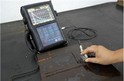
While MPI is a highly effective method for detecting surface and near-surface defects in ferromagnetic materials, it's not the only non-destructive testing (NDT) method available. Other popular NDT methods include Ultrasonic Flaw Detection and Dye Penetrant Inspection.
Each method has its own strengths and limitations, and the choice of method depends on several factors, such as the type of material, the location and size of the defects, and the inspection requirements. MPI is particularly well-suited for detecting surface and near-surface defects in ferromagnetic materials, while ultrasonic testing is more effective for detecting internal defects, and dye penetrant inspection is used for detecting surface-breaking defects in non-porous materials.
By understanding the capabilities and limitations of each method, we can recommend the most appropriate testing technique for your specific application. This helps ensure accurate and reliable defect detection, which is crucial for maintaining the safety and integrity of your components.
Conclusion
In conclusion, several factors influence the visibility of magnetic particle indications in MPI, including magnetic field strength, surface condition, particle characteristics, lighting conditions, and inspection technique. By paying close attention to these factors and following best practices, we can achieve clear and reliable indications, which are essential for accurate defect detection.
If you're in need of MPI services or equipment, or if you have any questions about the inspection process, please don't hesitate to contact us. Our team of experts is here to help you find the best solution for your specific needs. We look forward to working with you and helping you ensure the quality and safety of your products.
References
- ASNT Recommended Practice No. SNT-TC-1A, "Personnel Qualification and Certification in Nondestructive Testing"
- ASTM E709, "Standard Guide for Magnetic Particle Testing"
- ISO 9934, "Non-destructive testing - Magnetic particle testing"