
As a nondestructive inspection (NDI) supplier deeply entrenched in the aerospace industry, I've witnessed firsthand the transformative power of NDI techniques. These methods play a pivotal role in ensuring the safety, reliability, and performance of aerospace components. In this blog post, I'll explore the diverse applications of nondestructive inspection in the aerospace industry and how our services contribute to maintaining the highest standards of quality.
Ensuring Structural Integrity
One of the primary applications of NDI in the aerospace industry is to assess the structural integrity of aircraft components. From the fuselage and wings to landing gear and engine parts, every component must withstand extreme conditions during flight. NDI techniques such as Magnetic Powder Inspection are used to detect surface and near - surface defects in ferromagnetic materials. This method is highly effective in identifying cracks, which, if left undetected, could lead to catastrophic failures.
In the case of wing structures, magnetic powder inspection can quickly and accurately detect fatigue cracks that may develop due to repeated stress cycling during takeoff, flight, and landing. By identifying these cracks early, maintenance teams can take preventive measures, such as repairing or replacing the affected components, to ensure the continued airworthiness of the aircraft.
Detecting Hidden Defects
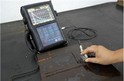
Not all defects are visible to the naked eye. Ultrasonic Flaw Detection is a powerful NDI technique used to detect internal defects in aerospace materials. High - frequency sound waves are transmitted into the material, and any discontinuities or flaws cause the sound waves to reflect back. By analyzing these reflections, inspectors can accurately determine the size, location, and nature of the defects.
Engines are one of the most critical components of an aircraft, and ultrasonic flaw detection is extensively used to inspect engine parts such as turbine blades, shafts, and casings. These parts are subjected to high temperatures, pressures, and rotational forces, which can lead to the development of internal defects over time. Ultrasonic inspection helps to identify these defects before they cause engine malfunctions, ensuring the safety and reliability of the aircraft.
Quality Control in Manufacturing
Nondestructive inspection is also an integral part of the manufacturing process in the aerospace industry. It helps to ensure that components meet the strict quality standards set by regulatory bodies and aircraft manufacturers. Dye Penetrant Inspection is commonly used to detect surface - opening defects in non - porous materials such as aluminum, titanium, and composites.
During the manufacturing of aerospace parts, dye penetrant inspection can be used at various stages to verify the quality of the finished product. For example, it can be used to inspect machined parts for cracks or porosity that may have occurred during the machining process. This early detection of defects allows manufacturers to take corrective actions, reducing waste and improving production efficiency.
Composite Material Inspection
With the increasing use of composite materials in aerospace construction, NDI techniques have evolved to meet the unique challenges of inspecting these materials. Composites offer several advantages, including high strength - to - weight ratios, corrosion resistance, and design flexibility. However, they are also susceptible to damage modes such as delamination, fiber breakage, and matrix cracking.
Advanced NDI techniques such as laser shearography and X - ray inspection are used to detect internal defects in composite materials. Laser shearography measures the surface deformation of a component under stress. Any internal defects cause local changes in the deformation pattern, which can be detected by the laser shearography system. X - ray inspection, on the other hand, can provide detailed images of the internal structure of composite components, allowing inspectors to identify defects such as voids, inclusions, and delaminations.
Maintenance and In - Service Inspections
In addition to manufacturing and quality control, NDI plays a crucial role in the maintenance and in - service inspections of aircraft. As aircraft age, they are more likely to develop defects due to fatigue, corrosion, and environmental factors. Regular NDI inspections are essential to detect these defects early and ensure the safety of the aircraft and its passengers.
Inspections are carried out at various intervals, depending on the type of component and its usage. For example, critical components such as landing gears may be inspected more frequently than non - critical components. NDI techniques are used to assess the condition of the components and determine if they need to be repaired, maintained, or replaced.


Our Role as an NDI Supplier
As an NDI supplier, we offer a comprehensive range of inspection services tailored to the specific needs of the aerospace industry. Our team of highly trained and certified inspectors uses state - of - the - art equipment and techniques to provide accurate and reliable inspection results. We understand the importance of safety and quality in the aerospace industry, and we are committed to helping our clients meet the highest standards.
Our services include on - site inspections, laboratory testing, and consultation services. We work closely with our clients to develop inspection plans that are cost - effective and efficient, while still ensuring the thoroughness of the inspections. Whether it's a small component or a large aircraft structure, we have the expertise and resources to provide the best possible NDI solutions.
The Future of NDI in the Aerospace Industry
The aerospace industry is constantly evolving, with new materials, designs, and technologies being developed. As a result, the demand for more advanced NDI techniques is also increasing. Future NDI technologies are likely to be more automated, faster, and more accurate, allowing for more efficient inspections.
For example, the use of robotics and drones in NDI inspections is becoming more common. These technologies can access hard - to - reach areas and perform inspections more quickly and accurately than traditional methods. In addition, advancements in sensor technology and data analysis are enabling more detailed and precise inspections.
Conclusion
In conclusion, nondestructive inspection is an essential part of the aerospace industry, playing a crucial role in ensuring the safety, reliability, and performance of aircraft. From detecting hidden defects to maintaining structural integrity and quality control in manufacturing, NDI techniques are used at every stage of the aircraft's lifecycle.
As an NDI supplier, we are dedicated to providing the highest quality inspection services to the aerospace industry. Our expertise and commitment to excellence make us a trusted partner for aerospace companies around the world. If you are in the aerospace industry and need reliable nondestructive inspection services, we invite you to contact us for a consultation. We look forward to discussing how we can help you meet your inspection needs and ensure the safety and quality of your aerospace components.
References
- ASME Boiler and Pressure Vessel Code, Section V: Nondestructive Examination
- ASTM International Standards for Nondestructive Testing
- Federal Aviation Administration (FAA) regulations related to aerospace inspections