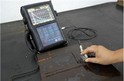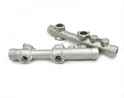

Hey there! As a supplier of Dimension Inspection services, I often get asked about the environmental requirements for this crucial quality control process. So, let's dive right in and explore what it takes to ensure accurate dimension inspections.
First off, let's understand what Dimension Inspection is all about. It's a process that involves measuring and verifying the physical dimensions of a part or product to ensure it meets the specified design requirements. This is super important in industries like manufacturing, aerospace, automotive, and more, where precision is key. You can learn more about it on our Dimension Inspection page.
Now, onto the environmental requirements. One of the most critical factors is temperature. Temperature can have a significant impact on the dimensions of materials. Most materials expand when heated and contract when cooled. For example, metals like steel and aluminum have a relatively high coefficient of thermal expansion. This means that even a small change in temperature can cause noticeable changes in the dimensions of a metal part.
To get accurate dimension inspections, it's essential to control the temperature of the inspection environment. Ideally, the inspection area should be maintained at a constant temperature, usually around 20°C (68°F). This standard temperature is widely used in the industry because it provides a stable reference point for measurements. If the temperature fluctuates during the inspection process, it can lead to inaccurate readings, which can result in parts being rejected when they're actually within tolerance or, worse, accepted when they're out of spec.
Another important environmental factor is humidity. High humidity can cause materials to absorb moisture, which can lead to swelling or warping. This is especially true for materials like wood, plastics, and some composites. On the other hand, low humidity can cause materials to dry out and shrink. Just like with temperature, it's crucial to keep the humidity levels in the inspection area stable. A relative humidity of around 40 - 60% is generally considered ideal for dimension inspections.
Dust and debris can also pose a problem during dimension inspections. Even tiny particles can get in the way of the measuring equipment and affect the accuracy of the measurements. For example, if a micrometer or a caliper has dust on its jaws, it can give an incorrect reading. To prevent this, the inspection area should be kept clean and free of dust. Regular cleaning and the use of air filters can help maintain a clean environment.
Vibration is yet another factor that can impact dimension inspections. Vibrations can come from various sources, such as nearby machinery, traffic outside the building, or even people walking around. These vibrations can cause the measuring equipment to move slightly, leading to inaccurate measurements. To minimize the effects of vibration, the inspection equipment should be placed on a stable surface, and if possible, the inspection area should be isolated from sources of vibration.
Lighting is also an important consideration. Proper lighting is necessary to clearly see the part being inspected and the measuring equipment. Insufficient lighting can make it difficult to read the measurements accurately, while glare from bright lights can also cause problems. Soft, diffused lighting is usually the best option for dimension inspections.
Now, let's talk about the role of Chemical Composition Analysis in dimension inspections. The chemical composition of a material can affect its physical properties, including its dimensions. For example, a metal alloy with a different chemical composition may have a different coefficient of thermal expansion. This means that even if two parts look the same on the outside, their dimensions may change differently with temperature if their chemical compositions are different. You can learn more about Chemical Composition Analysis (Spectrum Analysis) on our website.
As a Dimension Inspection supplier, we take all these environmental requirements seriously. We have state - of - the - art inspection facilities that are designed to control temperature, humidity, and minimize the effects of dust, vibration, and other environmental factors. Our highly trained technicians are experts at ensuring accurate dimension inspections, no matter how complex the part or product may be.
If you're in the market for reliable Dimension Inspection services, we'd love to hear from you. Whether you're a small manufacturing shop or a large corporation, we have the expertise and resources to meet your quality control needs. Don't hesitate to reach out and start a conversation about how we can help you ensure the precision and quality of your products.
In conclusion, the environmental requirements for dimension inspections are crucial for obtaining accurate and reliable results. By controlling temperature, humidity, dust, vibration, and lighting, we can ensure that every part is measured with the highest level of precision. And with the added benefit of chemical composition analysis, we can provide a comprehensive quality control solution for our clients.


References
- ASME B89.1.12M - 1984 (R2004), “Surface Texture (Surface Roughness, Waviness, and Lay),” American Society of Mechanical Engineers.
- ISO 1101:2017, “Geometrical product specifications (GPS) — Geometrical tolerancing — Tolerances of form, orientation, location and run - out,” International Organization for Standardization.