
Hey there! As a supplier in the surface treatment industry, I've seen my fair share of common defects in surface-treated products. In this blog, I'll break down these issues and share some ways to fix them.
Common Defects in Surface-Treated Products
1. Coating Adhesion Problems
One of the most frequent issues we come across is poor coating adhesion. This can happen when the surface isn't properly prepared before the treatment. For example, if there's dirt, oil, or rust on the surface, the coating won't bond well. Sometimes, the wrong type of coating for the substrate can also lead to adhesion problems.
You might notice that the coating starts to peel off or flake after a short period. This is a big problem, especially for products that are exposed to harsh environments or physical stress.
2. Surface Roughness
Surface roughness can be a major defect. It can occur due to various reasons. One is an improper application of the surface treatment. For instance, if the spray gun is held too far or too close to the surface during a painting process, it can result in an uneven finish.
Another cause could be the quality of the materials used. Low - grade abrasives in a blasting process might leave the surface too rough. Rough surfaces not only look unappealing but can also affect the functionality of the product. For example, in a mechanical part, a rough surface can increase friction and wear.
3. Color Variation
Color variation is something that can be a real headache, especially when it comes to products where color consistency is crucial, like in the automotive or consumer electronics industries. It can be caused by differences in the batch of coating materials. Even small variations in the manufacturing process of the coating can lead to visible color differences.
Environmental factors during the application can also play a role. For example, if the temperature and humidity aren't controlled properly, the color of the coating might turn out differently than expected.
4. Pinholes and Blisters
Pinholes and blisters are small, often circular defects on the surface of the treated product. Pinholes are tiny holes in the coating, while blisters are raised areas. These can be caused by trapped air or moisture during the coating process. If the substrate has absorbed moisture before the treatment, it can vaporize during the curing process and create blisters.
Inadequate mixing of the coating materials can also lead to the formation of pinholes. These defects can compromise the integrity of the coating and expose the substrate to corrosion.
How to Fix These Defects
1. Fixing Coating Adhesion Problems
To fix poor coating adhesion, the first step is to properly prepare the surface. This might involve cleaning the surface thoroughly with solvents to remove dirt, oil, and rust. Abrasive blasting can also be used to create a rough surface that the coating can bond to.
If the wrong coating was used, it's necessary to remove the existing coating and apply a more suitable one. We often recommend conducting Mechanical Property Testing to ensure that the new coating has the right adhesion properties.

2. Addressing Surface Roughness
If the surface is too rough, it can be smoothed out through a process called re - finishing. For example, if the roughness is due to a painting issue, wet sanding can be used to even out the surface. Then, a clear coat can be applied to give it a smooth and shiny finish.
When it comes to issues caused by low - grade abrasives, switching to higher - quality abrasives in the blasting process can prevent future roughness problems. Also, proper training of the operators on how to use the equipment, like spray guns, is essential to ensure an even application.
3. Correcting Color Variation
To correct color variation, it's important to first identify the cause. If it's due to batch differences in the coating materials, try to source from a more consistent supplier or adjust the mixing ratios.
If environmental factors are the culprit, control the temperature and humidity in the application area. You can also use color - matching tools to ensure that the color of the new coating matches the desired standard.
4. Eliminating Pinholes and Blisters
To get rid of pinholes and blisters, the affected areas can be sanded down to remove the defective coating. Then, the surface should be cleaned and dried thoroughly to prevent the re - occurrence of moisture - related issues.
Proper mixing of the coating materials is crucial. Follow the manufacturer's instructions carefully when mixing the components. In some cases, using a degassing agent in the coating can help to remove trapped air and prevent the formation of pinholes and blisters.
Our Services to Help You Avoid These Defects
As a surface treatment supplier, we offer a range of services to ensure that your products are free from these common defects. We have state - of - the - art facilities for surface preparation, including advanced cleaning and blasting equipment. Our team of experts is well - trained to handle different types of surface treatments, from painting to plating.
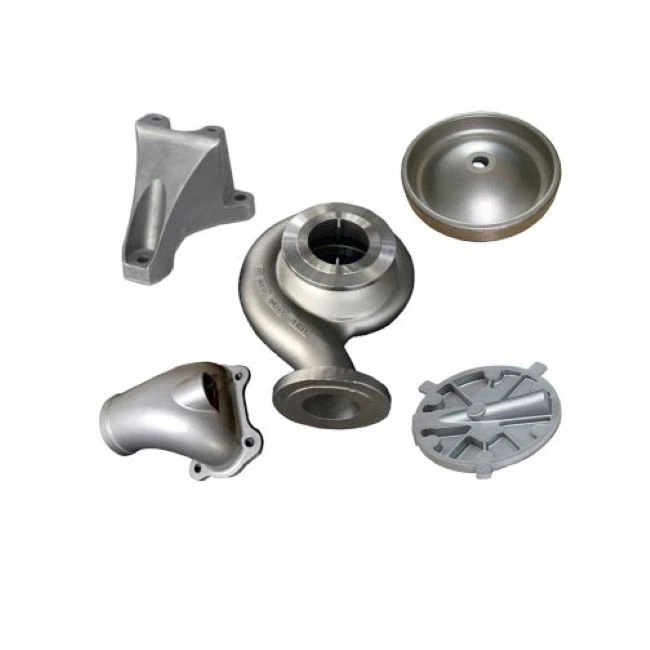
We also provide Customize Stainless Steel Investment Casting Parts services. This allows you to get parts that are specifically designed for your needs, with a high - quality surface finish. And if you need precision machining, our CNC Machining services can ensure that your parts are made to the exact specifications.
Let's Connect
If you're facing any surface treatment issues or are looking for high - quality surface - treated products, don't hesitate to reach out. We're here to help you solve your problems and provide you with the best solutions for your business. Whether it's a small batch order or a large - scale production, we've got the expertise and resources to meet your requirements.
References
- Smith, J. (2018). Surface Treatment Handbook. Publisher: Industrial Press.
- Johnson, M. (2020). Defects in Coating and Their Remedies. Journal of Surface Engineering.