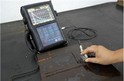

Hey there! I'm a supplier in the Dye Penetrant Inspection game, and I'm here to share the ins and outs of calibrating the equipment for this crucial inspection method.
First off, let's quickly go over what Dye Penetrant Inspection is. It's a non - destructive testing technique used to detect surface - opening defects in a wide range of materials. You can learn more about it here: Dye Penetrant Inspection.
Why Calibration Matters
Calibrating the equipment for Dye Penetrant Inspection is super important. It ensures that the results we get are accurate and reliable. If the equipment isn't calibrated properly, we might miss some defects, or worse, identify false positives. This can lead to faulty products being approved or good products being rejected, both of which can cost a lot in terms of time, money, and reputation.
Types of Equipment in Dye Penetrant Inspection
Before we dive into calibration, let's look at the main pieces of equipment involved in Dye Penetrant Inspection:
- Penetrant Applicators: These are used to apply the dye penetrant to the surface of the test piece. They can be spray cans, brushes, or dip tanks.
- Developers: Developers are used to draw out the penetrant trapped in the defects, making them visible. They also come in different forms like spray - on powders or liquid suspensions.
- Cleaning Equipment: This includes solvents for cleaning the test piece before and after the inspection to remove excess penetrant and contaminants.
Calibration of Penetrant Applicators
The penetrant applicators need to be calibrated to ensure a consistent and appropriate application of the penetrant.
- Flow Rate Calibration: For spray - type applicators, the flow rate is a key factor. We can use a simple setup where we spray the penetrant into a container for a set period of time and then measure the volume of the penetrant collected. If the flow rate is too high, it can lead to excessive penetrant on the surface, making it difficult to clean and potentially hiding defects. If it's too low, the penetrant might not reach all the defects.
- Spray Pattern Calibration: We also need to make sure the spray pattern is uniform. This can be checked by spraying the penetrant on a flat surface covered with paper or a light - colored material. We look for any unevenness or gaps in the pattern. If there are issues, we might need to adjust the nozzle or the pressure settings of the applicator.
Calibration of Developers
Developers are crucial for making the defects visible, so their calibration is essential.
- Coverage and Thickness: When applying the developer, we need to ensure proper coverage and an appropriate thickness. For spray - on developers, we can use a test panel. After spraying the developer, we can use a thickness gauge to measure the thickness at different points on the panel. A uniform thickness of about 0.001 - 0.003 inches is usually recommended. If the thickness is too thin, the defects might not be clearly visible, and if it's too thick, it can cause a "blinding" effect, making it hard to distinguish real defects from artifacts.
- Drying Time: The drying time of the developer is also important. We can set up a series of test panels and apply the developer under controlled conditions. Then, we check the panels at regular intervals to determine the time it takes for the developer to dry completely. This time should be consistent across different applications.
Calibration of Cleaning Equipment
Cleaning equipment needs to be calibrated to ensure that it effectively removes the excess penetrant without damaging the test piece or leaving any residue.


- Solvent Concentration: If we're using a solvent - based cleaning system, the concentration of the solvent is critical. We can use a refractometer or a hydrometer to measure the concentration. If the concentration is too low, it might not clean the penetrant properly, and if it's too high, it can damage the surface of the test piece.
- Cleaning Efficiency: To check the cleaning efficiency, we can use test pieces with known defects. After applying and removing the penetrant, we visually inspect the test piece under proper lighting. We can also use a surface analysis tool like a profilometer to check for any remaining penetrant or contaminants on the surface.
Other Considerations
- Environmental Conditions: Calibration should be done under controlled environmental conditions. Temperature, humidity, and air pressure can all affect the performance of the equipment and the results of the inspection. For example, high humidity can cause the penetrant to dry slowly or the developer to clump.
- Regular Maintenance and Re - calibration: Equipment should be regularly maintained and re - calibrated. The frequency of calibration depends on factors like how often the equipment is used, the type of work environment, and the manufacturer's recommendations. As a general rule, we should re - calibrate the equipment at least once every six months or after a certain number of uses.
Comparison with Other Inspection Methods
Dye Penetrant Inspection is just one of the non - destructive testing methods out there. Two other popular methods are Magnetic Powder Inspection and X Ray Inspection.
- **Magnetic Powder Inspection is mainly used for ferromagnetic materials. It's great for detecting surface and near - surface defects, but it requires the test piece to be magnetic. Dye Penetrant Inspection, on the other hand, can be used on a wider range of materials, including non - magnetic ones.
- **X Ray Inspection can detect internal defects, which Dye Penetrant Inspection can't. However, X Ray Inspection is more expensive and requires more safety precautions due to the use of radiation.
Wrapping Up and Reaching Out
Calibrating the equipment for Dye Penetrant Inspection is a detailed but necessary process. It ensures that we get accurate and reliable results, which is crucial for maintaining the quality of products.
If you're in the market for Dye Penetrant Inspection equipment or have questions about calibration, feel free to reach out. We're here to help you get the best results from your inspections. Whether you're a small - scale workshop or a large - scale manufacturing plant, we've got the right solutions for you.
References
- ASNT (American Society for Nondestructive Testing) Standards for Dye Penetrant Inspection.
- Manufacturer's manuals for Dye Penetrant Inspection equipment.