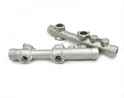

Hey there! As a supplier in the brass investment casting industry, I know how crucial it is to extend the mold life. A longer mold life means more cost - effective production, less downtime for mold replacement, and overall better efficiency. So, let's dive into some practical ways to make that happen.
1. Choose the Right Mold Material
Picking the right mold material is the first step. Different materials have different properties, and you need one that can withstand the high - temperature and high - pressure environment of brass investment casting. For brass casting, steel molds are a popular choice. They're tough, can handle the heat, and have good wear resistance.
But it's not just about the type of steel. You also need to consider the quality. High - quality steel with good alloying elements will last longer. A mold made from lower - grade steel might seem cheaper upfront, but it'll wear out faster, costing you more in the long run. You can think of it like buying a car. A high - quality car might be more expensive at first, but it'll save you money on repairs and replacements down the road.
2. Careful Mold Design
The design of the mold plays a huge role in its lifespan. First, consider the shape of the casting. Complex shapes can put more stress on the mold during the casting process. Try to simplify the design as much as possible while still meeting the requirements of the part.
The number of cavities in the mold is also important. More cavities mean more parts can be cast at once, but it also increases the stress on the mold. You need to find the right balance. Just like baking cookies, if you try to fit too many on the tray, they won't bake evenly and the tray might get damaged.
Another aspect is the gating system. A well - designed gating system ensures that the molten brass flows smoothly into the mold. If the flow is turbulent, it can cause erosion and damage to the mold. A straight, designed gating system helps reduce the impact on the mold walls and extends its life.
3. Precise Heat Treatment
Heat treatment is like giving the mold a strength boost. It helps improve the hardness, toughness, and wear resistance of the mold material. When the mold undergoes proper heat treatment, it can better withstand the high temperatures in the casting process.
For example, quenching and tempering are common heat - treatment processes. Quenching rapidly cools the mold from a high temperature, making it harder. But it can also make the mold brittle, so tempering is then done to reduce the brittleness and improve the toughness.
The temperature and time during heat treatment need to be carefully controlled. If the temperature is too high or the treatment time is too long, the mold can be over - treated and lose its properties. On the other hand, if it's under - treated, the mold won't get the full benefits.
4. Regular Maintenance
Regular maintenance is key to keeping the mold in good shape. After each casting cycle, remove any residual brass or debris from the mold. You can use cleaning agents and tools to carefully clean the mold surface. This prevents the build - up of materials that can cause corrosion and damage.
Inspect the mold regularly for signs of wear, cracks, or other damage. Check the dimensions of the mold to make sure it's still producing parts within the required tolerances. Catching problems early allows you to make repairs before they become major issues.
Lubrication is also important. Applying a suitable lubricant to the mold surface can reduce friction between the mold and the molten brass. This not only helps with the casting process but also reduces wear on the mold. Just like oiling a machine, it keeps everything running smoothly.
5. Control the Casting Process
The way you run the casting process can have a big impact on the mold life. First, control the pouring temperature of the molten brass. If the temperature is too high, it can cause excessive thermal stress on the mold, leading to cracking and wear. On the other hand, if it's too low, the brass might not flow properly, causing defects in the casting and potentially damaging the mold.
The pouring speed is also crucial. A slow and steady pouring speed helps the molten brass fill the mold evenly without causing too much turbulence. This reduces the risk of erosion and damage to the mold.
In addition, the pressure used during the casting process should be carefully regulated. Too much pressure can put excessive stress on the mold, while too little might result in incomplete castings.
6. Employee Training
Your employees play a vital role in extending the mold life. Make sure they're well - trained in all aspects of the casting process, from mold handling to operation of the casting equipment.
Train them on the proper way to clean and maintain the mold. Teach them to recognize the signs of mold wear and damage so they can report problems immediately. When employees are knowledgeable and careful, they can help prevent unnecessary damage to the mold.
Related Products
We also offer a variety of other casting products, such as Stainless Steel Precision Casting Parts, Alloy Steel Investment Casting Products, and Lost Wax Alluminum Casting. These products are made with the same high - quality standards and attention to detail as our brass investment castings.
If you're in the market for brass investment casting products or any of our other offerings, we'd love to have a chat with you. Whether you have questions about mold life, product specifications, or pricing, we're here to help. Reach out to us for a friendly and informative discussion about your casting needs.


References
- Campbell, J. (2003). Casting. Butterworth - Heinemann.
- Kalpakjian, S., & Schmid, S. R. (2009). Manufacturing Engineering and Technology. Pearson Prentice Hall.
-ASM Handbook Committee. (2008). ASM Handbook, Volume 15: Casting. ASM International.