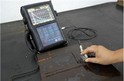

Hey there! As a supplier in the nondestructive inspection (NDI) field, I've had a front - row seat to witness the crucial role NDI plays in the medical device industry. Let's dig into it!
First off, what the heck is nondestructive inspection? Well, it's a set of techniques used to evaluate the properties of a material, component, or system without causing damage. In the medical device industry, this is a game - changer. Medical devices are used to diagnose, treat, and even save lives. So, their quality and safety are of the utmost importance.
One of the key aspects of NDI in the medical device industry is ensuring the integrity of the devices during the manufacturing process. Medical devices can be made from a wide range of materials, like metals, plastics, and ceramics. Any tiny defect in these materials can lead to device failure, which can have serious consequences for patients.
Let's talk about some common NDI methods and how they're used.
Magnetic Powder Inspection
Magnetic powder inspection is a great way to detect surface and near - surface defects in ferromagnetic materials, such as iron and steel. Many medical devices, like surgical instruments and orthopedic implants, are made from these materials. Magnetic Powder Inspection works by creating a magnetic field in the part being inspected. If there's a defect, like a crack, the magnetic field gets disrupted, and fine magnetic powder will gather at the defect site, making it visible. This allows manufacturers to catch problems early on and fix or scrap the defective parts before they reach the market.
X Ray Inspection
X ray inspection is another incredibly useful NDI technique in the medical device industry. It can penetrate through materials to reveal internal defects that might not be visible on the surface. For example, in the production of catheters or pacemakers, X rays can be used to check for internal blockages, misaligned components, or voids in the materials. X Ray Inspection helps ensure that complex medical devices function as intended. It's like getting a sneak peek inside the device without taking it apart, which is super important because once a device is assembled, you don't want to break it just to check for defects.
Dye Penetrant Inspection
Dye penetrant inspection is great for detecting surface - open defects in all non - porous materials. This method involves applying a liquid dye to the surface of the medical device. The dye seeps into any cracks or defects. After a certain time, the excess dye is removed, and a developer is applied. The developer draws the trapped dye out, making the defect clearly visible. This method is often used on small, delicate medical devices where other inspection methods might be too invasive or difficult to use. Dye Penetrant Inspection is cost - effective and can be used on a variety of materials, making it a popular choice in the medical device manufacturing process.
Beyond the manufacturing phase, NDI also plays a role in the post - market surveillance of medical devices. Once a device is in use, it may experience wear and tear. Regular NDI checks can help detect any emerging defects in devices that are still in operation. For example, in large medical equipment like MRI machines or CT scanners, periodic inspections using NDI techniques can identify potential issues before they cause a breakdown. This not only ensures the continuous operation of the medical facility but also safeguards patient safety.
Let's look at some real - life examples to understand the importance of NDI in the medical device industry. A few years ago, there was a recall of a certain type of orthopedic implant. It turned out that there were undetected cracks in the implant components during the manufacturing process. If proper NDI had been carried out, these defects could have been identified before the implants were implanted in patients. This incident led to significant costs for the manufacturer, not to mention the potential harm to patients. On the other hand, a medical device company that uses comprehensive NDI during production has a lower risk of recalls and a better reputation in the market.
Another aspect is regulatory compliance. The medical device industry is highly regulated. Regulatory bodies around the world, like the FDA in the United States, require manufacturers to ensure the quality and safety of their products through proper testing and inspection. NDI is an essential part of meeting these regulatory requirements. By having a robust NDI program in place, manufacturers can demonstrate to regulators that their products meet the necessary standards.
As a NDI supplier, I've seen firsthand how our services can make a difference in the medical device industry. We work closely with manufacturers to develop customized inspection plans based on their specific needs. Whether it's a small startup developing a new type of insulin pump or a large multinational company producing a wide range of surgical instruments, our NDI solutions can help them ensure the quality of their products.


We also stay up - to - date with the latest technological advancements in NDI. New techniques and equipment are constantly being developed, which allows us to provide even more accurate and efficient inspections. For example, advancements in digital X - ray technology have made it possible to get higher - resolution images in a shorter amount of time.
In conclusion, the role of nondestructive inspection in the medical device industry is absolutely vital. It helps ensure the quality, safety, and reliability of medical devices from the manufacturing stage all the way through to post - market use. If you're in the medical device industry and looking for a reliable NDI partner, we'd love to have a chat with you. We can discuss your specific requirements and how our services can benefit your business. Don't hesitate to reach out to start a conversation about how we can work together to improve the quality of your medical devices.
References
- American Society for Nondestructive Testing (ASNT). "Nondestructive Testing Handbook."
- International Organization for Standardization (ISO). Standards related to medical device quality and inspection.
- U.S. Food and Drug Administration (FDA). Guidelines for medical device manufacturing and quality control.