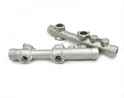

Slag inclusion is a common and rather pesky issue in the shell mold casting process. As a supplier specializing in the Shell Mold Casting Process, I've seen firsthand the headaches it can cause. So, let's dive into what slag inclusion is and how we can prevent it.
What is Slag Inclusion in Shell Mold Casting?
In shell mold casting, slag inclusion refers to the presence of unwanted non - metallic materials (slag) in the final cast product. This slag can be a mixture of oxides, fluxes, and other impurities. It forms during the casting process when the molten metal comes into contact with air, refractory materials, or other contaminants.
When we're dealing with What Is Shell Mold Casting, the process involves creating a thin, hard shell mold. Molten metal is then poured into this mold to take the shape of the desired part. But if there are impurities in the metal or if the pouring conditions aren't right, slag can get trapped inside the casting.
Slag inclusions can have a significant impact on the quality of the final product. They can weaken the structural integrity of the casting, causing it to fail under stress. Visually, they can also create surface defects, which are a big no - no, especially for parts that need to have a smooth and clean finish.
Reasons for Slag Inclusion
1. Poor Melting and Refining Processes
If the metal isn't melted and refined properly, there will be a high concentration of impurities in the molten metal. For example, if we're using scrap metal, it might contain dirt, rust, or other contaminants. If these aren't removed during the melting and refining phase, they'll end up in the casting as slag.
2. Incorrect Pouring Techniques
The way we pour the molten metal into the shell mold matters a lot. If we pour it too fast, it can cause turbulence, which allows the slag on the surface of the molten metal to get mixed in. On the other hand, if the pouring rate is too slow, the metal might start to solidify before the slag has a chance to float to the surface.
3. Contaminated Mold Materials
Sometimes, the shell mold itself can be a source of slag inclusion. If the mold materials aren't clean or if they have been exposed to contaminants, these can find their way into the molten metal during the casting process.
4. Inadequate Gating and Riser Design
The gating and riser system in shell mold casting is crucial for ensuring proper filling and solidification of the mold. If the gating system isn't designed correctly, it can cause uneven flow of the molten metal, leading to slag being trapped in the casting. A poorly designed riser might not be able to feed the casting properly, causing shrinkage and also increasing the likelihood of slag inclusion.
How to Prevent Slag Inclusion
1. Improve Melting and Refining
We need to make sure that the metal we're using is of high quality and that the melting and refining processes are as effective as possible. This means using good - quality raw materials and implementing proper refining techniques. For example, we can use fluxes to remove impurities from the molten metal. These fluxes react with the impurities, causing them to float to the surface, where they can be easily skimmed off.
2. Optimize Pouring Techniques
Controlling the pouring rate and the way we pour the molten metal is key. We should aim for a smooth and steady flow of the metal into the mold. Using pouring equipment that allows for precise control can help a lot. For instance, a ladle with a proper pouring spout can ensure that the metal is poured in a controlled manner, reducing the chances of turbulence and slag entrapment.
3. Keep Mold Materials Clean
Before using the shell mold materials, we need to make sure they're clean and free from contaminants. This might involve cleaning the sand or other mold - making materials thoroughly and storing them in a clean environment. Regular inspection of the mold materials can also help us catch any potential issues early on.
4. Design an Effective Gating and Riser System
The gating system should be designed to ensure a uniform and smooth flow of the molten metal into the mold. It should also be able to prevent the slag from entering the mold cavity. A well - designed riser can help feed the casting during solidification, reducing the chances of shrinkage and slag inclusion. We can use computer - aided design (CAD) and simulation software to optimize the gating and riser design for each specific casting.


Our Experience as a Supplier
Over the years, we've dealt with numerous cases of slag inclusion in shell mold casting. Through trial and error, we've developed a set of best practices to prevent this problem. We've invested in high - quality melting and refining equipment to ensure that the metal we use is as pure as possible. Our pouring technicians are highly trained to execute the pouring process with precision.
We also work closely with our customers to understand their specific requirements. This allows us to design the most suitable gating and riser systems for their castings. By providing detailed technical support and guidance, we help our customers achieve the best possible results in their shell mold casting projects.
Conclusion and Call to Action
Slag inclusion is a problem that can cause a lot of trouble in the shell mold casting process, but with the right prevention measures, it can be effectively managed. As a supplier with extensive experience in the Shell Mold Casting Process, we're committed to providing high - quality castings and reliable solutions to our customers.
If you're in the market for shell mold castings and want to avoid the hassle of slag inclusion, we'd love to hear from you. Whether you're a small - scale manufacturer or a large corporation, we have the expertise and resources to meet your needs. Reach out to us for more information and let's start a great partnership in the world of shell mold casting!
References
- "Foundry Technology Handbook", Various authors, Industry - specific publishing
- "Casting Processes and Quality Control", Dr. John Doe, Academic Press