
Hey there! As a supplier in the bronze investment casting game, I often get asked about the difference between solid and hollow wax patterns. It's a topic that's super important in our industry, so I thought I'd break it down for you in this blog post.
First off, let's talk about what wax patterns are in the context of bronze investment casting. Wax patterns are essentially the blueprints for the final bronze castings. We create these patterns to replicate the shape and details of the desired end - product. Once the wax pattern is made, it's used to create a mold, and then the wax is melted out (that's the "lost wax" part of the lost - wax casting process), and molten bronze is poured into the mold to form the final piece.
Solid Wax Patterns
Solid wax patterns are exactly what they sound like - solid blocks of wax shaped into the form of the final casting. They have some distinct advantages.
One of the biggest pluses of solid wax patterns is their strength and durability. Since they're solid, they can hold up well during the handling and molding process. This is especially important when dealing with complex or detailed designs. For example, if you're making a bronze statue with lots of intricate features like fine facial details or flowing robes, a solid wax pattern can maintain its shape better than a hollow one. You don't have to worry as much about it getting damaged or deformed when you're applying the ceramic shell around it for the mold.
Another advantage is the accuracy of the final casting. Solid wax patterns can provide a very precise replication of the original design. When the molten bronze fills the mold left by the melted - out wax, it takes on the exact shape of the solid wax pattern. This means that the final bronze casting will have sharp edges, clear details, and a high level of dimensional accuracy.
However, solid wax patterns also have their drawbacks. One major issue is the amount of wax used. Making a solid wax pattern requires a significant amount of wax, which can increase the cost. Wax isn't cheap, and using more of it adds to the overall production cost. Also, the extra weight of the solid wax pattern can make it more difficult to handle, especially for larger castings. And when it comes to melting out the wax during the mold - making process, it takes longer for the solid wax to melt completely. This can slow down the production process and increase the energy consumption.
Hollow Wax Patterns
Hollow wax patterns, on the other hand, are wax shells with a void in the middle. They offer a different set of benefits.
The most obvious advantage is cost - efficiency. Since they use less wax, the material cost is significantly reduced. This is a huge plus, especially for large - scale production. If you're making a large number of bronze parts, using hollow wax patterns can save you a ton of money in the long run.
Another benefit is the weight. Hollow wax patterns are much lighter than solid ones. This makes them easier to handle during the production process. You can move them around more easily, and there's less strain on the equipment and workers. Also, because they're lighter, they're less likely to cause stress on the ceramic shell during the molding process, reducing the risk of cracking or other defects in the mold.
The melting process is also faster for hollow wax patterns. With less wax to melt, it takes less time and energy to get the wax out of the mold. This speeds up the production process and can increase the overall productivity of your casting operation.
But hollow wax patterns aren't without their problems. One of the main challenges is their structural integrity. Since they're hollow, they're more prone to damage and deformation. If you're working with a design that has thin walls or delicate features, a hollow wax pattern might not be able to hold its shape as well as a solid one. This can lead to issues with the final casting, such as uneven walls or missing details.
Another potential issue is the difficulty in creating the hollow shape. It requires more advanced manufacturing techniques compared to making a solid wax pattern. You need to have the right equipment and expertise to create a consistent and well - formed hollow wax pattern.
Applications
The choice between solid and hollow wax patterns often depends on the specific application of the bronze casting.

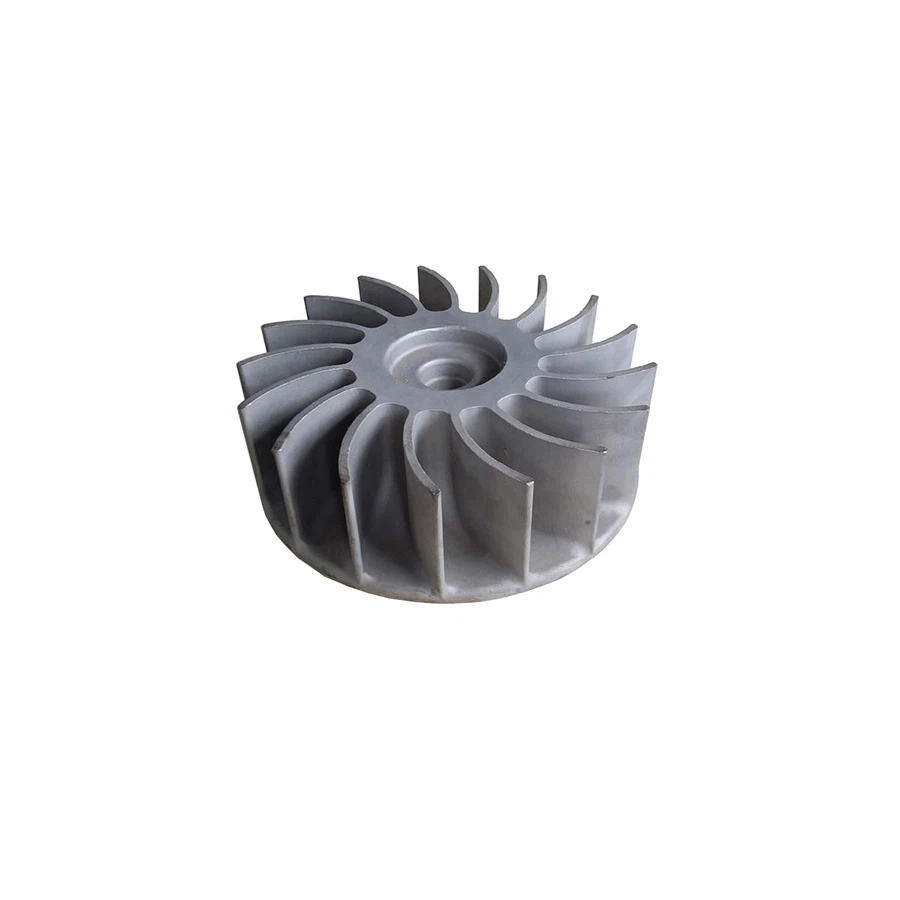
For artistic and decorative castings, solid wax patterns are often the preferred choice. As I mentioned earlier, the high level of detail and accuracy that solid wax patterns can provide is crucial for creating beautiful and lifelike bronze sculptures, jewelry, or decorative items. Artists and designers want their work to be reproduced exactly as they envisioned, and a solid wax pattern can help achieve that. Check out Lost Wax Precision Casting Parts for more examples of high - quality castings that often use solid wax patterns.
On the other hand, for industrial applications like Precision Casting Alluminum Parts, hollow wax patterns are more commonly used. In industries such as automotive or aerospace, cost - efficiency and weight reduction are important factors. Hollow wax patterns can help meet these requirements while still providing a high - quality casting. For example, in the production of engine components or aircraft parts, using hollow wax patterns can reduce the weight of the final bronze casting, which can improve the performance of the vehicle or aircraft.
Making the Choice
So, how do you decide whether to use a solid or hollow wax pattern for your bronze investment casting project?
First, consider the design of the casting. If it's a complex, detailed design that requires high accuracy and strength, a solid wax pattern might be the way to go. But if the design is relatively simple and you're more concerned about cost and weight, a hollow wax pattern could be a better option.
The size of the casting also matters. Larger castings can benefit from the cost - savings and ease of handling of hollow wax patterns, while smaller, more detailed castings might need the precision and durability of solid wax patterns.
And of course, your budget is a key factor. If cost is a major concern, you'll probably lean towards hollow wax patterns. But if you're willing to invest more for a higher - quality, more accurate casting, a solid wax pattern could be worth the extra expense.
Conclusion
In conclusion, both solid and hollow wax patterns have their pros and cons in bronze investment casting. As a supplier, I've seen firsthand how the choice between the two can impact the final outcome of a project. Whether you're an artist looking to create a one - of - a - kind bronze sculpture or an industrial manufacturer in need of high - quality bronze parts, understanding the differences between solid and hollow wax patterns is essential.
If you're interested in our bronze investment casting services or have any questions about choosing the right wax pattern for your project, don't hesitate to reach out. We're here to help you make the best decision for your specific needs. Whether it's a small, detailed piece or a large - scale industrial casting, we have the expertise and experience to provide you with top - notch bronze castings.
References
- Casting (Metal Processing)
- Industry knowledge and experience in bronze investment casting