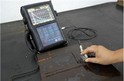

Magnetic Powder Inspection (MPI) is a non-destructive testing (NDT) method that plays a crucial role in the defense industry. As a leading supplier of MPI solutions, I have witnessed firsthand the diverse applications and benefits of this technology in ensuring the safety and reliability of defense equipment. In this blog post, I will explore the various applications of MPI in the defense industry and highlight its importance in maintaining the highest standards of quality and performance.
Understanding Magnetic Powder Inspection
Before delving into its applications, it's essential to understand how MPI works. MPI is used to detect surface and near-surface discontinuities in ferromagnetic materials, such as iron, nickel, and cobalt. The process involves magnetizing the test object and applying magnetic particles, either dry or in a liquid suspension, to the surface. When a magnetic field is present, any discontinuities in the material will cause a distortion in the magnetic field, which attracts the magnetic particles, forming visible indications of the defect.
MPI offers several advantages over other NDT methods. It is relatively simple and cost-effective, providing rapid results with high sensitivity. Additionally, it can detect a wide range of defects, including cracks, laps, seams, and porosity, making it a versatile tool for quality control in the defense industry.
Applications in the Defense Industry
Aircraft Components
The aerospace sector of the defense industry relies heavily on MPI for inspecting critical aircraft components. Components such as landing gear, engine shafts, and wing structures are subjected to extreme stress and fatigue during flight. MPI can detect small cracks and other defects that could compromise the structural integrity of these components, ensuring safe and reliable operation.
For example, landing gear components are particularly vulnerable to fatigue cracking due to the repeated stress of takeoff and landing. MPI can be used to inspect these components during manufacturing, maintenance, and overhaul to identify any potential defects before they become a safety hazard. Similarly, engine shafts are critical for transmitting power from the engine to the aircraft's propellers or turbines. MPI can detect cracks and other defects in these shafts, preventing catastrophic failures in flight.
Naval Vessels
In the naval defense sector, MPI is used to inspect a variety of components on ships and submarines. Hull plates, propeller shafts, and valve bodies are just a few examples of components that can be inspected using MPI. These components are exposed to harsh marine environments, including saltwater corrosion and mechanical stress, which can lead to the development of cracks and other defects.
MPI can be used to detect these defects early, allowing for timely repairs and maintenance to prevent further damage. For example, hull plates are the primary structural components of a ship, and any cracks or defects in these plates could compromise the ship's integrity and lead to flooding. MPI can be used to inspect hull plates during construction, repair, and maintenance to ensure they meet the highest standards of quality and safety.
Armored Vehicles
Armored vehicles, such as tanks and armored personnel carriers, are essential for military operations. MPI is used to inspect critical components of these vehicles, including suspension systems, tracks, and gun barrels. These components are subjected to high levels of stress and wear during combat, making them susceptible to cracking and other defects.
MPI can be used to detect these defects before they cause a failure, ensuring the reliability and performance of armored vehicles in the field. For example, gun barrels are subjected to extreme pressure and heat during firing, which can cause cracks and other defects to develop. MPI can be used to inspect gun barrels during manufacturing and maintenance to ensure they are free from defects and can withstand the rigors of combat.
Munitions and Explosives
The production and handling of munitions and explosives require strict quality control measures to ensure safety. MPI is used to inspect components such as casings, primers, and detonators to detect any defects that could lead to malfunction or premature detonation.
For example, munition casings are typically made of steel or other ferromagnetic materials, and MPI can be used to detect cracks and other defects in these casings during manufacturing. Similarly, primers and detonators are critical components of munitions, and any defects in these components could have serious consequences. MPI can be used to inspect these components to ensure they are free from defects and meet the highest standards of quality and safety.
Comparison with Other NDT Methods
While MPI is a powerful NDT method, it is not the only option available for inspecting defense components. Other common NDT methods include Ultrasonic Flaw Detection and Dye Penetrant Inspection. Each method has its own advantages and limitations, and the choice of method depends on the specific application and requirements.
Ultrasonic Flaw Detection
Ultrasonic flaw detection uses high-frequency sound waves to detect internal defects in materials. It is particularly effective for detecting defects deep within the material, such as internal cracks and voids. However, ultrasonic flaw detection requires specialized equipment and trained operators, and it may not be as effective for detecting surface defects as MPI.
Dye Penetrant Inspection
Dye penetrant inspection is a simple and cost-effective method for detecting surface defects in non-porous materials. It involves applying a colored dye to the surface of the test object, allowing it to penetrate into any surface defects, and then removing the excess dye and applying a developer to make the defects visible. However, dye penetrant inspection is limited to detecting surface defects and may not be as effective for detecting near-surface or internal defects as MPI.


Why Choose Our MPI Solutions
As a leading supplier of Magnetic Powder Inspection solutions, we offer a wide range of products and services to meet the needs of the defense industry. Our MPI equipment is designed to provide accurate and reliable results, and our team of experienced technicians can provide training and support to ensure proper use and maintenance of our equipment.
In addition to our high-quality products and services, we are committed to providing excellent customer service. We understand the critical nature of the defense industry and the importance of ensuring the safety and reliability of defense equipment. That's why we work closely with our customers to understand their specific needs and provide customized solutions to meet those needs.
Conclusion
Magnetic Powder Inspection is a valuable tool for quality control in the defense industry. Its ability to detect surface and near-surface defects in ferromagnetic materials makes it an essential method for ensuring the safety and reliability of critical defense components. Whether it's inspecting aircraft components, naval vessels, armored vehicles, or munitions and explosives, MPI plays a crucial role in maintaining the highest standards of quality and performance.
If you are in the defense industry and are looking for a reliable supplier of MPI solutions, we invite you to contact us to discuss your specific needs. Our team of experts will be happy to provide you with more information about our products and services and help you find the right solution for your application.
References
- ASNT (American Society for Nondestructive Testing). "Magnetic Particle Testing Handbook."
- ASTM International. "Standard Practices for Magnetic Particle Testing."
- Military Standards and Specifications related to Non-Destructive Testing.