
Hey there! As a supplier of Magnetic Powder Inspection (MPI) services and equipment, I've seen firsthand how crucial it is to follow safety precautions. MPI is a super useful nondestructive testing method that helps us detect surface and near - surface discontinuities in ferromagnetic materials. But like any testing method, it comes with its own set of safety risks. So, let's dive into the safety precautions for Magnetic Powder Inspection.
Personal Protective Equipment (PPE)
First things first, PPE is a must. You wouldn't go into a battle without armor, right? Well, in the world of MPI, PPE is your armor.
- Eye Protection: When working with magnetic powders, there's always a risk of particles getting into your eyes. Safety goggles are essential. They protect your eyes from flying magnetic particles, as well as any cleaning solvents that might splash. Make sure the goggles fit well and are made of impact - resistant material.
- Respiratory Protection: Some magnetic powders and the solvents used in the process can release fumes. If you're working in an area with poor ventilation, a respirator is necessary. A particulate respirator can filter out the magnetic powder dust, while a chemical cartridge respirator can protect you from solvent fumes.
- Hand Protection: Gloves are important to protect your hands from the magnetic powders and any chemicals. Nitrile or latex gloves are a good choice as they offer a good balance of dexterity and protection. They can also prevent skin irritation from prolonged contact with the powders.
- Foot Protection: Steel - toed boots are a must. You might be moving heavy equipment around, and there's always a risk of something falling on your feet. The steel toe provides an extra layer of protection in case of an accident.
Equipment Safety
The equipment used in MPI also needs to be handled with care.
- Magnetizing Equipment: The magnetizing equipment generates a strong magnetic field. Before using it, make sure it's properly grounded. A grounded system helps prevent electrical shocks. Also, check the cables for any signs of damage. If you notice any frayed wires or exposed conductors, don't use the equipment until it's repaired.
- Magnetic Powder Application Devices: Whether you're using a spray gun or a powder dispenser, make sure they're in good working condition. Clean them regularly to prevent clogs. If a device malfunctions during use, turn it off immediately and follow the manufacturer's instructions for troubleshooting.
- Inspection Tables and Fixtures: These should be stable and secure. Unstable tables can cause the parts being inspected to fall, which can damage the parts and pose a safety risk. Make sure the fixtures hold the parts firmly in place to prevent any movement during the inspection.
Work Area Safety
Creating a safe work area is essential for a successful and accident - free MPI process.
- Ventilation: As I mentioned earlier, fumes from solvents and magnetic powders can be a problem. Ensure that your work area has proper ventilation. You can use exhaust fans or open windows to let fresh air in and remove the fumes. If you're working in a large industrial setting, a ventilation system might be required.
- Cleanliness: Keep the work area clean. Magnetic powders can accumulate on the floor, which can create a slipping hazard. Regularly sweep and mop the floors. Also, clean up any spilled solvents immediately as they can be flammable.
- Storage: Store the magnetic powders and solvents in a safe place. Keep them away from heat sources and open flames. Make sure the storage containers are properly labeled and sealed to prevent leaks.
Electrical Safety
Since MPI involves electrical equipment, electrical safety is of utmost importance.


- Electrical Cords and Outlets: Check the electrical cords regularly for any signs of wear and tear. Don't overload electrical outlets. Using multiple high - power devices on a single outlet can cause overheating and potentially start a fire.
- Lockout/Tagout Procedures: When performing maintenance or repairs on the electrical equipment, follow lockout/tagout procedures. This means turning off the power source, locking it in the off position, and tagging it to indicate that maintenance is being done. This prevents accidental startup of the equipment while someone is working on it.
Chemical Safety
The solvents used in MPI can be hazardous.
- Solvent Handling: When handling solvents, wear appropriate PPE. Make sure to use them in a well - ventilated area. Don't mix different solvents unless you're sure it's safe to do so. Some solvent mixtures can be explosive or produce toxic fumes.
- Disposal: Dispose of the solvents properly. Don't pour them down the drain as they can contaminate the water supply. Follow the local regulations for chemical waste disposal.
Comparison with Other Nondestructive Testing Methods
Magnetic Powder Inspection is just one of the many nondestructive testing methods out there. For example, X Ray Inspection uses X - rays to detect internal flaws in materials. While it can be very effective, it also comes with radiation risks, so strict safety protocols regarding radiation protection are needed.
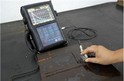
Ultrasonic Flaw Detection uses high - frequency sound waves to detect flaws. The main safety concern here is the proper use of the ultrasonic equipment to avoid electrical hazards and ensure accurate results.
Dye Penetrant Inspection involves applying a colored dye to the surface of the material to detect surface - opening flaws. The dyes and cleaning agents used can be toxic, so proper ventilation and PPE are required.
Conclusion
In conclusion, safety should always be the top priority when performing Magnetic Powder Inspection. By following these safety precautions, you can ensure a safe working environment for yourself and your colleagues. Whether it's wearing the right PPE, maintaining the equipment properly, or creating a safe work area, every step matters.
If you're in the market for high - quality Magnetic Powder Inspection services or equipment, I'd love to talk to you. We have a wide range of products and services to meet your needs. Don't hesitate to reach out for a purchase or to discuss your specific requirements.
References
- ASNT (American Society for Nondestructive Testing). Recommended Practice No. SNT - TC - 1A.
- ASTM (American Society for Testing and Materials). Standards related to Magnetic Powder Inspection.