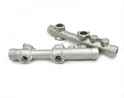

As a dedicated supplier of Lost Wax Aluminum Casting, I'm excited to share the intricate painting processes involved in this fascinating manufacturing technique. Lost wax casting, also known as investment casting, is a time - honored method that allows for the creation of complex and detailed metal parts. Aluminum, with its lightweight and corrosion - resistant properties, is a popular choice for many applications, and the painting process can further enhance its appearance and performance.
1. Preparation of the Casting
Before any painting can begin, the lost wax aluminum casting must be properly prepared. This step is crucial as it ensures good adhesion of the paint and a long - lasting finish.
- Cleaning: The first step is to clean the casting thoroughly. Aluminum castings may have residues such as sand, mold release agents, or oxides on their surfaces. We use a combination of mechanical and chemical cleaning methods. Mechanical cleaning can involve sandblasting, which not only removes surface contaminants but also creates a rough surface texture that promotes paint adhesion. Chemical cleaning agents are then used to remove any remaining oils or greases. For example, a mild alkaline solution can be used to degrease the casting.
- Inspection: After cleaning, the casting is carefully inspected for any defects such as cracks, porosity, or surface irregularities. Defective castings are either repaired or rejected. This is important because any flaws in the casting can affect the final appearance and performance of the painted part.
- Primer Application: Once the casting is clean and defect - free, a primer is applied. The primer acts as a bonding layer between the aluminum surface and the topcoat. It also provides additional corrosion protection. There are different types of primers available for aluminum, such as epoxy primers, which offer excellent adhesion and corrosion resistance. The primer is usually applied by spraying, and it is important to ensure an even coating.
2. Selection of Paint
The choice of paint depends on several factors, including the intended use of the casting, the environmental conditions it will be exposed to, and the desired aesthetic appearance.
- Function - Based Selection:
- For castings that will be used in outdoor applications, we often recommend paints with high UV resistance and weatherability. Acrylic - based paints are a popular choice in such cases. They can withstand the harsh effects of sunlight, rain, and temperature variations without fading or peeling.
- If the casting will be used in a chemical - rich environment, a paint with chemical resistance is required. Epoxy paints are known for their excellent chemical resistance and can protect the aluminum from corrosion caused by various chemicals.
- Aesthetic Considerations:
- When appearance is a key factor, we offer a wide range of colors and finishes. Metallic paints can give the casting a shiny, high - end look, while matte finishes can provide a more subdued and elegant appearance.
3. Painting Techniques
There are several painting techniques that can be used for lost wax aluminum castings.
- Spray Painting: This is the most common method for painting aluminum castings. Spray painting allows for a smooth, even coating and can cover large areas quickly. We use high - quality spray guns that can be adjusted to control the spray pattern, paint flow, and droplet size. The casting is usually placed in a spray booth to ensure a clean environment and to control overspray.
- Dip Painting: Dip painting is another option, especially for small or complex - shaped castings. The casting is dipped into a paint bath, and the excess paint is allowed to drain off. This method ensures that all surfaces of the casting are coated, including hard - to - reach areas. However, it may not be suitable for large or heavy castings.
- Electrostatic Painting: Electrostatic painting is a more advanced technique that provides excellent paint adhesion and coverage. The paint particles are given an electrostatic charge, which causes them to be attracted to the grounded casting. This results in a more uniform coating and less paint waste.
4. Application Process
Once the paint is selected and the painting technique is chosen, the actual application process begins.
- Pre - spraying Checks: Before starting to paint, we double - check the paint viscosity, spray gun settings, and the cleanliness of the spray booth. The viscosity of the paint is important because it affects the atomization of the paint particles and the quality of the coating.
- Multiple Coats: In most cases, multiple coats of paint are applied to achieve the desired thickness and finish. Each coat is allowed to dry thoroughly before the next one is applied. The drying time depends on the type of paint and the environmental conditions, such as temperature and humidity.
- Quality Control: During the painting process, strict quality control measures are in place. We regularly check the thickness of the paint coating using a coating thickness gauge. We also inspect the surface for any runs, sags, or unevenness. If any issues are detected, the coating is either corrected or the part is repainted.
5. Curing and Finishing
After the paint has been applied, the casting needs to be cured to ensure that the paint fully hardens and adheres to the surface.


- Curing Methods:
- Air - drying is the simplest curing method, where the painted casting is left to dry at room temperature. However, this method can be time - consuming, especially for thick coatings.
- For faster curing, we can use heat - curing methods. The painted casting is placed in an oven at a specific temperature for a set period of time. The temperature and time depend on the type of paint used. For example, some epoxy paints may require curing at a temperature of around 150 - 200°C for 30 - 60 minutes.
- Finishing Touches: Once the paint is cured, the casting may undergo some finishing touches. This can include sanding the surface to achieve a smooth finish, polishing to enhance the shine, or applying a clear topcoat for additional protection and a more glossy appearance.
Benefits of Proper Painting for Lost Wax Aluminum Castings
- Enhanced Durability: A well - painted aluminum casting is more resistant to corrosion, wear, and abrasion. This extends the lifespan of the casting and reduces the need for frequent replacements.
- Improved Aesthetics: The right paint can transform the appearance of the casting, making it more visually appealing. This is especially important for products where appearance is a selling point.
- Functionality: Paints can also provide additional functionality, such as electrical insulation or heat resistance, depending on the type of paint used.
Our Product Range
As a leading supplier, we offer a wide range of Lost Wax Alluminum Casting. In addition to our aluminum castings, we also provide Alloy Steel Precision Casting Parts and Stainless Steel Lost Wax Casting Parts. Our commitment to quality and precision in both the casting and painting processes ensures that our products meet the highest standards.
Conclusion
The painting processes for lost wax aluminum castings are a combination of science and art. From the initial preparation of the casting to the final finishing touches, each step is crucial in achieving a high - quality, durable, and aesthetically pleasing product. If you are in the market for high - quality lost wax aluminum castings or other precision casting parts, we invite you to contact us for a detailed discussion about your requirements. We are ready to provide you with the best solutions and products tailored to your specific needs.
References
- Campbell, J. (2003). Castings. Butterworth - Heinemann.
- Davis, J. R. (Ed.). (2001). Aluminum and Aluminum Alloys. ASM International.
- O'Brien, W. J. (2006). Metal Finishing: A Practical Guide for Manufacturers. McGraw - Hill.