


In today's interconnected world, the threat landscape in the digital realm is constantly evolving and expanding. As a premier service provider under "Our Services," we understand the critical importance of safeguarding our clients' digital assets and information from the ever - present cyber threats. In this blog, we'll delve into the mechanisms and strategies we employ to protect against these threats.
Understanding the Cyber Threat Landscape
Before discussing our protective measures, it's essential to recognize the various types of cyber threats that exist. Malware, including viruses, worms, and Trojan horses, can infiltrate systems, corrupt data, or steal sensitive information. Ransomware has also become a significant menace in recent years, where attackers encrypt a victim's data and demand a ransom for its release. Phishing attacks lure users into divulging personal information, such as passwords or credit card numbers, by posing as legitimate entities.
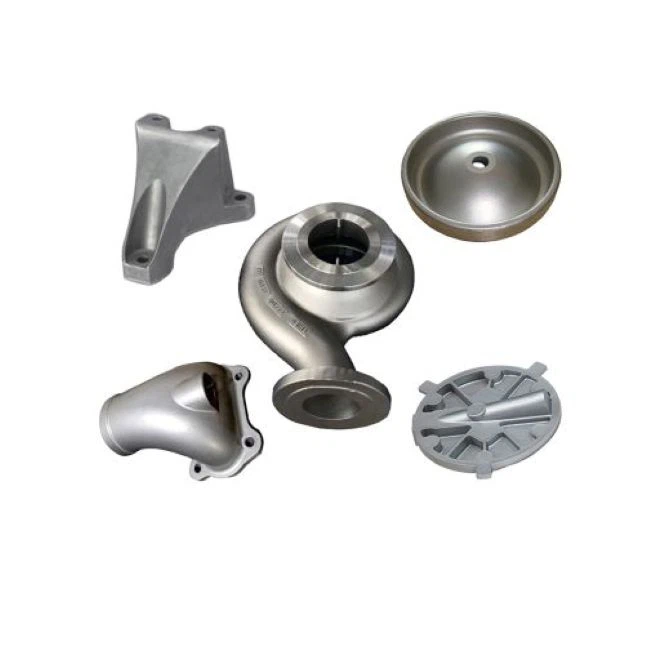
For organizations, these threats can lead to significant financial losses, reputational damage, and legal consequences. In industries like manufacturing, where data about CNC Machining, Stainless Steel Pump Body, and Customize Stainless Steel Investment Casting Parts are stored, any breach can result in stolen intellectual property or disruption of production processes.
Our Multi - Layered Defense Strategy
1. Network Security
Our first line of defense is a robust network security infrastructure. We implement firewalls at the perimeter of our clients' networks to monitor and control incoming and outgoing network traffic. These firewalls are configured with strict rules to allow only authorized communication, blocking potential threats before they can enter the system.
In addition to traditional firewalls, we also use Next - Generation Firewalls (NGFWs). These advanced devices can perform deep packet inspection, which means they analyze the content of data packets in detail, not just the source and destination. This allows us to detect and block sophisticated malware and other malicious activities that may be hidden within legitimate - looking traffic.

We also set up Virtual Private Networks (VPNs) for remote access. VPNs create a secure, encrypted tunnel between the user's device and the corporate network. This ensures that even when employees are accessing company resources from outside the office, their data is protected from eavesdropping and interception.
2. End - Point Protection
End - point devices such as laptops, desktops, and mobile phones are often the entry points for cyber threats. We deploy comprehensive end - point protection solutions to safeguard these devices. Our anti - malware software is constantly updated to detect and remove the latest threats. It performs real - time scans of files and programs, and quarantines or deletes any malicious items it discovers.
We also enforce strict device management policies. For example, we require all devices to have up - to - date operating systems and security patches. Outdated software often contains vulnerabilities that hackers can exploit to gain access to the system. Additionally, we use disk encryption to protect the data stored on each device. In case a device is lost or stolen, the encrypted data remains unreadable without the proper decryption key.
3. Employee Training and Awareness
Employees are often the weakest link in an organization's security chain. Many cyber attacks succeed because of human error, such as clicking on a phishing link or using weak passwords. To address this, we offer regular training programs to educate our clients' employees about cyber security best practices.
The training covers topics such as identifying phishing emails, creating strong passwords, and reporting suspicious activities. We also conduct simulated phishing campaigns to test employees' ability to recognize and avoid phishing attempts. By increasing employee awareness, we can significantly reduce the risk of successful cyber attacks.
4. Data Backup and Recovery
No security system is perfect, and there is always a possibility that a cyber attack may succeed. To mitigate the impact of such an event, we implement regular data backup procedures. Our data backup solutions are automated and stored in multiple secure locations, both on - site and off - site.
In the event of a data breach or a system failure, we can quickly restore the data from the backups. This ensures that our clients can resume their operations with minimal downtime and data loss. We also test our backup and recovery processes regularly to ensure their reliability.
5. Incident Response Planning
Having a well - defined incident response plan is crucial for minimizing the damage caused by a cyber attack. Our incident response team is trained to detect, analyze, and respond to security incidents in a timely and efficient manner.
When a security incident occurs, our team follows a predefined set of procedures. First, they isolate the affected systems to prevent the spread of the threat. Then, they conduct a forensic analysis to determine the root cause of the incident and the extent of the damage. Based on the findings, they take appropriate actions, such as restoring data from backups, patching vulnerabilities, or notifying relevant authorities.
Continuous Monitoring and Improvement
Cyber threats are constantly evolving, and so must our security measures. We use advanced security information and event management (SIEM) systems to monitor our clients' networks 24/7. These systems collect and analyze security - related data from various sources, such as firewalls, intrusion detection systems, and end - point devices.
By analyzing this data, we can detect patterns and anomalies that may indicate a potential cyber threat. For example, a sudden increase in network traffic to a particular IP address may be a sign of a DDoS (Distributed Denial - of - Service) attack. Once a threat is detected, our security team can take immediate action to mitigate it.
We also regularly review and update our security policies and procedures based on the latest industry standards and emerging threats. This ensures that our clients' systems are always protected against the most current cyber risks.
Conclusion
As a provider of "Our Services," we are committed to providing our clients with the highest level of cyber security protection. Our multi - layered defense strategy, combined with continuous monitoring and improvement, helps to safeguard our clients' digital assets and information from the ever - changing cyber threat landscape.
Whether you are involved in CNC Machining, Stainless Steel Pump Body, or Customize Stainless Steel Investment Casting Parts, protecting your data is crucial for the success of your business. If you are interested in learning more about how our services can protect your organization from cyber threats, we encourage you to reach out to us for a detailed consultation. We look forward to discussing how we can tailor our solutions to meet your specific needs.
References
- Anderson, R. (2008). Security Engineering: A Guide to Building Dependable Distributed Systems. Wiley.
- Whitman, M. E., & Mattord, H. J. (2017). Principles of Information Security. Cengage Learning.
- Stallings, W. (2017). Network Security Essentials: Applications and Standards. Pearson.





