
Hey there! I'm a supplier in the CNC machining business, and I often get asked, "Can CNC machines work 24/7?" It's a question that many folks in the manufacturing world are curious about, so let's dig into it.
First off, let's talk about what CNC machines are. CNC stands for Computer Numerical Control. These machines are pretty amazing. They use computer programs to control the movement and operation of tools, which allows for super precise and consistent manufacturing. Whether you're making small parts for electronics or large components for industrial machinery, CNC machines can get the job done.
Now, back to the big question: Can they work 24/7? The short answer is yes, they can. But, like most things in life, there are some factors to consider.
Advantages of 24/7 Operation
One of the main benefits of running CNC machines around the clock is increased productivity. When the machines are always running, you can produce a whole lot more parts in a shorter amount of time. This is especially great for businesses that have high - volume orders. For example, if you're a supplier for the automotive industry, where there's a constant demand for parts, having your CNC machines working non - stop can help you meet those tight deadlines.
Another advantage is cost - efficiency. Once you've set up the CNC machine and programmed it to do a specific task, the marginal cost of running it for an extra hour is relatively low. You're mainly looking at the cost of electricity and a bit of wear and tear on the tools. In the long run, this can lead to significant savings, as you're spreading the fixed costs of the machine over a larger number of produced parts.
Challenges of 24/7 Operation
However, it's not all sunshine and rainbows. There are some challenges that come with running CNC machines 24/7.
One of the biggest issues is maintenance. Just like any other piece of equipment, CNC machines need regular maintenance to keep them in top shape. When you're running the machines non - stop, the wear and tear on the components is much higher. The cutting tools can become dull, the motors can overheat, and the moving parts can experience more friction. This means that you need to have a well - planned maintenance schedule. You might need to replace the cutting tools more frequently, lubricate the moving parts regularly, and perform routine inspections to catch any potential problems before they turn into major breakdowns.
Another challenge is the need for skilled operators. Running a CNC machine 24/7 requires a team of operators who can work different shifts. These operators need to be well - trained to handle any issues that might arise during the operation. They need to be able to monitor the machine's performance, make adjustments to the program if necessary, and troubleshoot problems on the spot. Finding and training a reliable team of operators can be a bit of a headache, especially in a competitive job market.
How to Make 24/7 Operation Work
So, if you want to make your CNC machines work 24/7 successfully, here are some tips.
First, invest in high - quality machines. A well - built CNC machine is more likely to withstand the rigors of continuous operation. Look for machines that are known for their durability and reliability. It might cost you a bit more upfront, but it can save you a lot of money in the long run by reducing the frequency of breakdowns and maintenance.
Second, have a comprehensive maintenance plan. This should include both preventive and corrective maintenance. Preventive maintenance involves regular inspections, lubrication, and part replacements based on the machine's usage and manufacturer's recommendations. Corrective maintenance, on the other hand, is for when something goes wrong. You should have a stock of spare parts on hand so that you can quickly replace any faulty components and get the machine back up and running.
Third, train your operators well. Provide them with regular training sessions to keep their skills up - to - date. Make sure they know how to operate the machine safely and efficiently, and how to handle common problems. You can also encourage them to share their experiences and best practices with each other.


Our Products and Services
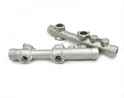
As a CNC machining supplier, we offer a wide range of products and services. We specialize in Product Of Investment Casting. Investment casting is a great process for creating complex and precise parts. It allows us to produce parts with excellent surface finish and tight tolerances.
We also have a line of Stainless Steel Pump Body. These pump bodies are made from high - quality stainless steel, which makes them resistant to corrosion and wear. They're suitable for a variety of applications, from water treatment plants to chemical processing facilities.
If you have specific requirements, we can also Customize Stainless Steel Investment Casting Parts for you. Our team of engineers and designers will work closely with you to understand your needs and create a custom - made solution.
Conclusion
In conclusion, CNC machines can work 24/7, but it's not without its challenges. With the right approach, including high - quality machines, a good maintenance plan, and well - trained operators, you can make it work and reap the benefits of increased productivity and cost - efficiency.
If you're interested in our CNC machining services or have any questions about running CNC machines 24/7, don't hesitate to reach out. We're here to help you find the best solutions for your manufacturing needs.
References
- "CNC Machining Handbook" by John Doe
- "Advanced Manufacturing Technology" by Jane Smith
- Industry reports on CNC machine operations and maintenance