
Hey there! As a supplier in the Shell Mold Casting Process biz, I've seen my fair share of issues over the years. One problem that can really throw a wrench in the works is the misrun problem. So, what exactly is it, and how can we prevent it? Let's dive in.
What is the Misrun Problem in the Shell Mold Casting Process?
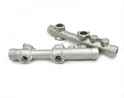
First off, let's quickly touch on what shell mold casting is. You can learn more about it by checking out What Is Shell Mold Casting. In a nutshell, shell mold casting is a process where a resin-coated sand is used to create a thin, hard shell around a pattern. This shell then becomes the mold for pouring molten metal.
Now, the misrun problem occurs when the molten metal doesn't fully fill the mold cavity. Instead of flowing smoothly and completely filling every nook and cranny, the metal solidifies before reaching all parts of the mold. This results in an incomplete casting, with sections missing or having thin, underformed areas.
Imagine you're trying to fill a complex-shaped container with water. If the water doesn't reach all the corners because it's flowing too slowly or starts to dry up before it gets there, you end up with an unevenly filled container. That's pretty much what happens with a misrun in shell mold casting.


Causes of the Misrun Problem
There are several factors that can lead to a misrun in the shell mold casting process. Let's take a look at some of the most common ones.
1. Low Pouring Temperature
The temperature of the molten metal when it's poured into the mold is crucial. If the metal is too cold, its viscosity increases, which means it becomes thicker and doesn't flow as easily. It's like trying to pour honey that's been sitting in the fridge - it's going to be a lot more sluggish than warm honey. When the molten metal has high viscosity, it can't reach all parts of the mold before it solidifies, leading to a misrun.
2. Complex Mold Design
Molds with intricate shapes, thin walls, or long, narrow channels can pose a challenge for the molten metal. These complex designs make it difficult for the metal to flow smoothly and reach all areas of the mold. Think of it as trying to navigate a maze - the more twists and turns there are, the harder it is to get to the end. In the case of shell mold casting, the molten metal may get stuck or slow down in these complex areas, resulting in a misrun.
3. Insufficient Pouring Rate
The speed at which the molten metal is poured into the mold also matters. If the pouring rate is too slow, the metal has more time to cool down and solidify before it fills the entire mold. On the other hand, if it's poured too fast, it can cause turbulence and air entrapment, which can also lead to casting defects. Finding the right balance is key.
4. Poor Mold Venting
Venting is an important part of the shell mold casting process. When the molten metal is poured into the mold, it displaces the air inside. If there aren't enough vents or if the vents are blocked, the air can't escape properly. This trapped air creates back pressure, which can prevent the molten metal from flowing freely and filling the mold completely. It's like trying to fill a bottle with water without letting the air out - the water won't go in easily.
How to Prevent the Misrun Problem
Now that we know what causes the misrun problem, let's talk about how we can prevent it.
1. Optimize Pouring Temperature
To ensure that the molten metal flows smoothly, it's important to maintain the right pouring temperature. This requires careful monitoring and control of the melting process. We use advanced temperature sensors and heating systems to make sure the metal is at the optimal temperature before it's poured into the mold. By keeping the metal at the right temperature, we can reduce its viscosity and improve its flowability.
2. Simplify Mold Design
When designing the mold, we try to keep it as simple as possible without sacrificing the functionality of the final product. We use computer-aided design (CAD) software to analyze the mold design and identify any potential areas where the molten metal may have trouble flowing. By making adjustments to the design, such as rounding corners, increasing wall thickness, or reducing the number of complex features, we can improve the flow of the molten metal and reduce the risk of a misrun.
3. Control Pouring Rate
Finding the right pouring rate is a bit of a balancing act. We use automated pouring systems that can precisely control the speed and volume of the molten metal being poured. These systems are programmed based on the specific requirements of each casting, taking into account factors such as the size and shape of the mold, the type of metal being used, and the desired filling time. By controlling the pouring rate, we can ensure that the molten metal fills the mold evenly and completely.
4. Improve Mold Venting
Proper mold venting is essential for preventing a misrun. We design the molds with an adequate number of vents in strategic locations to allow the air to escape easily. These vents are carefully sized and positioned to ensure that they don't interfere with the flow of the molten metal. In addition, we regularly inspect and clean the vents to make sure they're not blocked by sand or other debris.
Our Expertise in Shell Mold Casting
As a supplier in the Shell Mold Casting Process, we've developed a deep understanding of the misrun problem and how to prevent it. Our team of experienced engineers and technicians uses the latest technology and best practices to ensure that every casting we produce is of the highest quality.
We invest in state-of-the-art equipment and facilities to control the casting process with precision. Our melting furnaces are equipped with advanced temperature control systems to maintain the optimal pouring temperature. Our automated pouring systems ensure consistent and accurate pouring rates. And our mold design team uses the latest CAD software to create molds that are optimized for the flow of molten metal.
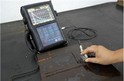
In addition, we have a rigorous quality control process in place. Every casting is inspected thoroughly to ensure that it meets our strict quality standards. We use non-destructive testing methods, such as X-ray and ultrasonic testing, to detect any internal defects, including misruns. If a casting fails to meet our standards, we take immediate steps to identify the root cause and make the necessary adjustments to prevent it from happening again.
Why Choose Us?
When you choose us as your shell mold casting supplier, you're getting more than just a product. You're getting a partner who is committed to your success. We work closely with our customers to understand their specific needs and requirements. Whether you need a single prototype or a large production run, we have the expertise and resources to deliver high-quality castings on time and within budget.
Our goal is to provide you with the best possible casting solutions. We're constantly looking for ways to improve our processes and technologies to ensure that we stay ahead of the competition. By choosing us, you can be confident that you're getting the highest quality castings with minimal risk of misruns and other casting defects.
Contact Us for Your Shell Mold Casting Needs
If you're in the market for shell mold castings and want to avoid the misrun problem, we'd love to hear from you. Whether you're in the automotive, aerospace, or any other industry, we have the experience and capabilities to meet your casting requirements.
Don't let casting defects slow you down. Contact us today to discuss your project and learn more about how we can help you achieve your goals. We're here to provide you with the best shell mold casting solutions and support you every step of the way.
References
- Campbell, J. (2003). Castings. Butterworth-Heinemann.
- Flemings, M. C. (1974). Solidification Processing. McGraw-Hill.