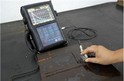

Yo, what's up everyone! I'm a supplier in the Nondestructive Inspection game, and today I wanna chat about the safety issues related to Nondestructive Inspection using radiation sources. It's a topic that's super important, especially when you're dealing with stuff that can be pretty dangerous if not handled right.
First off, let's talk about what nondestructive inspection is. Basically, it's a way to check the quality and integrity of materials without causing any damage to them. There are a bunch of different methods, like X Ray Inspection, Dye Penetrant Inspection, and Magnetic Powder Inspection. But when we're using radiation sources for inspection, that's where things can get a bit dicey.

One of the biggest safety concerns is radiation exposure. Radiation can be harmful to living organisms, and overexposure can lead to all sorts of health problems, like cancer, genetic mutations, and damage to the immune system. That's why it's crucial to follow strict safety protocols when working with radiation sources.
For starters, we need to make sure that the inspection area is properly shielded. This means using materials that can absorb or block radiation, like lead or concrete. The shielding should be thick enough to reduce the radiation levels to a safe limit for anyone in the vicinity. We also need to set up warning signs around the inspection area to let people know that radiation is present.
Another important aspect is personal protective equipment (PPE). Workers who are exposed to radiation should wear appropriate PPE, such as lead aprons, gloves, and goggles. These items can help reduce the amount of radiation that reaches the body. Additionally, workers should wear radiation dosimeters to monitor their exposure levels. These devices can record the amount of radiation a person has been exposed to over a certain period of time, and they're essential for ensuring that workers don't exceed the safe limits.
Training is also key. All workers who are involved in nondestructive inspection using radiation sources should receive proper training on radiation safety. They need to know how to handle the equipment safely, how to recognize the signs of radiation exposure, and what to do in case of an emergency. This training should be ongoing, as safety regulations and best practices can change over time.
In addition to the health risks, there are also environmental concerns when it comes to using radiation sources for nondestructive inspection. If radiation is released into the environment, it can contaminate soil, water, and air, and have a negative impact on wildlife and human health. That's why it's important to properly dispose of any radioactive waste generated during the inspection process. This waste should be stored and transported in accordance with strict regulations to prevent any leakage or contamination.
Another safety issue is the potential for equipment malfunction. Radiation sources are complex pieces of equipment, and if they're not maintained properly, they can malfunction and release radiation unexpectedly. That's why it's important to have a regular maintenance schedule for all radiation equipment. This includes checking for leaks, calibrating the equipment, and replacing any worn-out parts. Additionally, workers should be trained to recognize the signs of equipment malfunction and know what to do in case of an emergency.
Now, let's talk about some of the specific safety issues related to different types of radiation sources used in nondestructive inspection.
X-ray sources are commonly used for inspecting the internal structure of materials. One of the main safety concerns with x-ray sources is the risk of scatter radiation. When x-rays hit an object, some of the radiation can be scattered in different directions. This scatter radiation can pose a risk to workers and anyone in the vicinity. To reduce the risk of scatter radiation, we need to use proper shielding and positioning of the x-ray equipment. We also need to make sure that workers are standing at a safe distance from the x-ray source.
Gamma-ray sources are another type of radiation source used in nondestructive inspection. Gamma rays are more penetrating than x-rays, which means they can travel through thicker materials. However, this also means that they can be more dangerous. Gamma-ray sources need to be handled with extreme care, and workers need to be properly trained on how to use them safely. Additionally, gamma-ray sources need to be stored in a secure location when not in use to prevent unauthorized access.
Neutron sources are less commonly used in nondestructive inspection, but they also pose a significant safety risk. Neutrons can cause damage to living cells and can also create radioactive isotopes in materials. When using neutron sources, it's important to have proper shielding and to monitor the radiation levels carefully. Workers should also wear appropriate PPE and follow strict safety protocols.
So, as you can see, there are a lot of safety issues related to nondestructive inspection using radiation sources. But by following strict safety protocols, providing proper training, and using the right equipment, we can minimize the risks and ensure the safety of everyone involved.
If you're in the market for nondestructive inspection services, I'd love to chat with you. We've got a team of experienced professionals who are experts in using radiation sources safely and effectively. Whether you need X Ray Inspection, Dye Penetrant Inspection, or Magnetic Powder Inspection, we've got you covered. Just reach out, and we can start discussing your specific needs.
References

- International Atomic Energy Agency. (20XX). Safety Standards for Radiation Protection and Safety of Radiation Sources.
- American Society for Nondestructive Testing. (20XX). Nondestructive Testing Handbook.
- Occupational Safety and Health Administration. (20XX). Radiation Safety Guidelines.