
In the field of quality control and nondestructive inspection, X Ray Inspection stands as a powerful technique, offering unparalleled insights into the internal structures of various materials and components. As a leading [unable to create company name as per instruction] supplier of X Ray Inspection systems, we've witnessed firsthand the transformative impact of this technology across numerous industries. One of the most critical factors influencing the effectiveness of X Ray Inspection is voltage, which plays a pivotal role in determining the penetration capabilities of the X - rays. In this blog, we'll delve into the intricate relationship between voltage and X Ray Inspection penetration, exploring how different voltage settings can affect the outcome of inspections.
Understanding X Ray Inspection
Before we discuss the impact of voltage, it's essential to understand the basics of X Ray Inspection. X Ray Inspection is a nondestructive testing method that uses X - rays to examine the internal structure of an object without causing any damage. It is widely used in industries such as aerospace, automotive, electronics, and manufacturing to detect defects, cracks, and other internal irregularities that may not be visible to the naked eye.
When X - rays pass through an object, they interact with the atoms in the material. Some X - rays are absorbed, while others are scattered or transmitted. The amount of absorption and scattering depends on the density and thickness of the material, as well as the energy of the X - rays. By analyzing the transmitted X - rays, we can create an image of the internal structure of the object, revealing any hidden flaws or defects.

The Role of Voltage in X Ray Generation
X - rays are generated when high - energy electrons collide with a metal target. The voltage applied to the X - ray tube determines the energy of the electrons. A higher voltage accelerates the electrons to a greater speed, resulting in X - rays with higher energy. The energy of the X - rays is directly related to their wavelength, with higher - energy X - rays having shorter wavelengths.
In X Ray Inspection, the energy of the X - rays is crucial because it determines their penetration power. Higher - energy X - rays can penetrate deeper into materials, allowing us to inspect thicker or denser objects. On the other hand, lower - energy X - rays are more suitable for inspecting thinner or less dense materials, as they are more easily absorbed and can provide better contrast for detecting small defects.
How Voltage Affects Penetration
Higher Voltage and Increased Penetration
When we increase the voltage in an X - ray tube, the energy of the generated X - rays increases. This increase in energy enables the X - rays to penetrate deeper into the material being inspected. For example, in the aerospace industry, components such as turbine blades and engine casings are often made of thick and dense materials like titanium and nickel alloys. To inspect these components effectively, high - voltage X - ray systems are required.
A high - voltage X - ray system can generate X - rays with sufficient energy to pass through the thick walls of these components, allowing inspectors to detect internal defects such as cracks, porosity, and inclusions. The ability to penetrate thick materials is essential for ensuring the safety and reliability of aerospace components, as even small defects can lead to catastrophic failures.
Lower Voltage and Improved Contrast
While higher voltage provides better penetration, lower voltage can be beneficial in certain situations. When inspecting thin or less dense materials, such as electronic circuit boards or plastic components, lower - energy X - rays are more easily absorbed by the material. This increased absorption results in better contrast in the X - ray image, making it easier to detect small defects.
For instance, in the electronics industry, printed circuit boards (PCBs) are often inspected using low - voltage X - ray systems. The low - energy X - rays can clearly show the internal connections, solder joints, and any potential defects such as short circuits or missing components. The improved contrast provided by lower - voltage X - rays is crucial for ensuring the quality and functionality of electronic products.
Finding the Optimal Voltage
Determining the optimal voltage for an X Ray Inspection depends on several factors, including the type of material being inspected, its thickness, and the size of the defects we are trying to detect. In general, a trial - and - error approach is often used to find the best voltage setting.
For thicker and denser materials, we typically start with a higher voltage and gradually adjust it based on the quality of the X - ray image. If the image is too dark or lacks detail, it may indicate that the voltage is too high, and some X - rays are passing through the material without being absorbed. Conversely, if the image is too light or the defects are not clearly visible, the voltage may be too low.
In the case of thinner and less dense materials, we start with a lower voltage and make adjustments as needed. It's important to note that different X - ray systems may have different voltage ranges and capabilities, so it's essential to work closely with an experienced X - ray technician or supplier to optimize the inspection process.

Comparing with Other Nondestructive Inspection Methods
X Ray Inspection is just one of several nondestructive inspection methods available. Other popular methods include Dye Penetrant Inspection and Ultrasonic Flaw Detection.
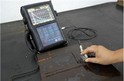
Dye Penetrant Inspection is a surface inspection method that uses a colored dye to detect surface - opening defects. It is relatively simple and inexpensive but is limited to detecting defects that are visible on the surface. Ultrasonic Flaw Detection, on the other hand, uses high - frequency sound waves to detect internal defects. It is effective for detecting defects in a wide range of materials but may have limitations in inspecting complex geometries or materials with high attenuation.
Compared to these methods, X Ray Inspection offers the advantage of being able to inspect the internal structure of an object without the need for surface access. The ability to adjust the voltage to control penetration makes X Ray Inspection a versatile tool for detecting defects in various materials and components.
Conclusion and Call to Action
In conclusion, voltage is a critical factor in determining the penetration capabilities of X Ray Inspection. By adjusting the voltage, we can optimize the inspection process for different materials and defect sizes, ensuring accurate and reliable results. As a leading supplier of X Ray Inspection systems, we have the expertise and experience to help you choose the right voltage settings and equipment for your specific inspection needs.
If you're looking to enhance your quality control processes with X Ray Inspection, we invite you to reach out to us. Our team of experts is ready to assist you in selecting the most suitable X - ray system and providing comprehensive support to ensure the success of your inspection projects. Contact us today to start a discussion about how we can meet your X Ray Inspection requirements.
References
- "Nondestructive Testing Handbook, Volume 2: Radiography Testing" by American Society for Nondestructive Testing.
- "X - ray Physics and Technology for Medical Physicists" by Tiago D. de Carvalho and Jorge L. Duarte.
- "Industrial Radiography: Theory and Practice" by W. Robert Tippett.