


Hey there! As a supplier in the surface treatment industry, I've seen firsthand the ins and outs of different surface treatment methods. Today, I want to chat about the limitations of some of these methods. It's important to understand these drawbacks so that we can make better decisions when it comes to choosing the right treatment for our projects.
Let's start with electroplating. Electroplating is a popular surface treatment method that involves depositing a thin layer of metal onto a substrate using an electric current. It's great for enhancing the appearance of a part, providing corrosion resistance, and improving wear resistance. However, it also has its limitations.
One of the main limitations of electroplating is the environmental impact. The process uses a lot of chemicals, including heavy metals like chromium and nickel, which can be harmful to the environment if not properly disposed of. Additionally, the electroplating process generates a significant amount of waste water, which needs to be treated before it can be released into the environment. This can add to the cost and complexity of the electroplating process.
Another limitation of electroplating is the thickness of the coating. Electroplating can only deposit a relatively thin layer of metal, typically ranging from a few microns to a few hundred microns. This means that if you need a thicker coating for enhanced protection or performance, electroplating may not be the best option.
The adhesion of the electroplated coating can also be a problem. If the substrate is not properly prepared before electroplating, the coating may not adhere well, leading to peeling or flaking over time. This can compromise the integrity of the coating and reduce its effectiveness.
Next up is powder coating. Powder coating is a dry finishing process that involves applying a fine powder to a substrate and then curing it under heat. It's known for its durability, resistance to chipping and scratching, and its ability to provide a smooth and uniform finish. But it also has some limitations.
One of the limitations of powder coating is the color range. While powder coating offers a wide range of colors, it may not be able to achieve the same level of color accuracy and vibrancy as some other surface treatment methods, such as painting. This can be a drawback if you have specific color requirements for your project.
The curing process of powder coating can also be a limitation. Powder coating requires a high temperature curing process, which can limit the types of substrates that can be powder coated. Some materials, such as plastics or heat-sensitive materials, may not be able to withstand the high temperatures required for powder coating.
Another issue with powder coating is the difficulty in repairing or touching up the coating. Once the powder coating is cured, it can be challenging to repair any damage or imperfections without affecting the overall appearance of the coating.

Now, let's talk about anodizing. Anodizing is an electrochemical process that forms a protective oxide layer on the surface of a metal, typically aluminum. It's widely used for its corrosion resistance, wear resistance, and aesthetic appeal. However, it also has its own set of limitations.
One of the limitations of anodizing is the limited color options. Anodizing can only produce a limited range of colors, mainly natural metallic colors and some earth tones. If you need a specific color that is not available through anodizing, you may need to consider other surface treatment methods.
The thickness of the anodized layer can also be a limitation. Anodizing typically produces a relatively thin oxide layer, which may not provide sufficient protection in some harsh environments. Additionally, the anodized layer can be porous, which can allow for the absorption of contaminants and chemicals, potentially leading to corrosion or staining over time.
Anodizing can also be a relatively expensive surface treatment method, especially for large or complex parts. The process requires specialized equipment and chemicals, and the cost of energy for the electrochemical process can add up.
Lastly, let's consider painting. Painting is a versatile surface treatment method that can be used on a wide range of substrates and can provide a variety of colors and finishes. However, it also has some limitations.
One of the main limitations of painting is its durability. Paint can be prone to chipping, scratching, and fading over time, especially in harsh environments or with heavy use. This means that painted surfaces may require more frequent maintenance and recoating to maintain their appearance and performance.
The application process of painting can also be a challenge. Achieving a smooth and uniform finish with painting requires skill and experience, and any mistakes or inconsistencies in the application can result in a less than perfect appearance.
Another limitation of painting is the drying time. Paint typically requires a certain amount of time to dry and cure, which can slow down the production process and increase the turnaround time for projects.
So, as you can see, each surface treatment method has its own limitations. When choosing a surface treatment method for your project, it's important to consider these limitations along with your specific requirements, such as the type of substrate, the desired appearance, the level of protection needed, and the budget.
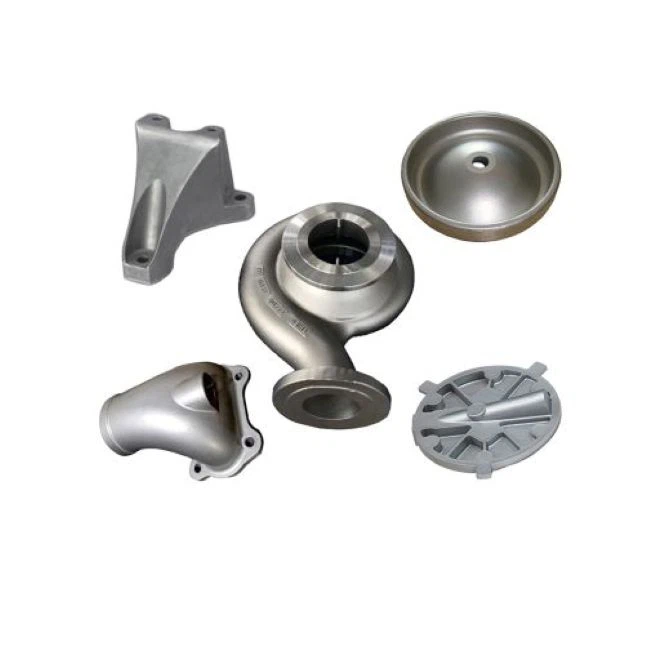
At our company, we offer a variety of surface treatment services, including [mention some of your specific services]. We also provide Customize Stainless Steel Investment Casting Parts and Stainless Steel Pump Body services, and we offer Mechanical Property Testing to ensure the quality and performance of our products.
If you're in the market for surface treatment services or have any questions about the limitations of different surface treatment methods, don't hesitate to reach out to us. We're here to help you make the best decision for your project and provide you with high-quality surface treatment solutions.
References
- ASM Handbook Volume 5: Surface Engineering. ASM International.
- Surface Finishing of Metals: A Practical Guide. Elsevier.
- Fundamentals of Surface Engineering. CRC Press.





