
Hey there! I'm a supplier in the Nondestructive Inspection (NDI) business. Nondestructive inspection is super important in many industries, like manufacturing, aerospace, and oil and gas. It helps us check the quality of materials and components without damaging them. But here's the thing: there are a bunch of different NDI standards out there, and they can be pretty confusing. So, in this blog, I'm gonna break down the differences between various Nondestructive Inspection standards.
Why Standards Matter in NDI
First off, let's talk about why standards are so crucial in NDI. Standards provide a common set of rules and guidelines for performing inspections. They ensure that inspections are done consistently, accurately, and safely. This is important because the results of NDI can have a big impact on the safety and reliability of products. For example, if a flaw in an aircraft part goes undetected, it could lead to a serious accident.
Standards also help with communication between different parties involved in the inspection process. When everyone follows the same standards, it's easier to understand the results and make decisions based on them. Plus, many industries require compliance with specific NDI standards as part of their quality control processes.
Common Nondestructive Inspection Methods
Before we dive into the standards, let's quickly go over some of the most common NDI methods:
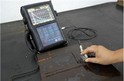
- Ultrasonic Flaw Detection: This method uses high-frequency sound waves to detect internal flaws in materials. It's great for finding cracks, voids, and other defects deep within a component. Ultrasonic Flaw Detection is widely used in industries like manufacturing and aerospace.
- X Ray Inspection: X rays can penetrate materials to create an image of the internal structure. This is useful for detecting hidden flaws, such as cracks or inclusions, in metal parts. X Ray Inspection is commonly used in the automotive and electronics industries.
- Dye Penetrant Inspection: This method involves applying a colored dye to the surface of a material. The dye seeps into any surface cracks or defects, making them visible after the excess dye is removed. Dye Penetrant Inspection is often used for detecting surface flaws in metal, plastic, and ceramic parts.
Different Nondestructive Inspection Standards
Now, let's get into the different NDI standards. There are several organizations that develop and publish NDI standards, including the American Society for Nondestructive Testing (ASNT), the International Organization for Standardization (ISO), and the American Society of Mechanical Engineers (ASME).
ASNT Standards
ASNT is one of the leading organizations in the field of Nondestructive Testing. Their standards cover a wide range of NDI methods and applications. For example, the ASNT Recommended Practice No. SNT-TC-1A provides guidelines for the qualification and certification of NDT personnel. This standard ensures that inspectors have the necessary knowledge and skills to perform NDI accurately and safely.
Another important ASNT standard is the ASME Boiler and Pressure Vessel Code. This code includes requirements for NDI of boilers, pressure vessels, and other related equipment. It specifies the inspection methods, acceptance criteria, and reporting requirements for these components.
ISO Standards
ISO standards are used globally and provide a common framework for NDI. The ISO 9712 standard, for example, is related to the qualification and certification of NDT personnel. It's similar to the ASNT SNT-TC-1A but has some differences in terms of the requirements and procedures.
ISO also has standards for specific NDI methods, such as ISO 16810 for ultrasonic testing and ISO 17636 for radiographic testing. These standards define the procedures, equipment, and acceptance criteria for these methods.
ASME Standards
ASME standards are mainly focused on the design, construction, and inspection of mechanical equipment. The ASME B31 series of codes, for example, covers the NDI requirements for piping systems. It specifies the inspection methods, frequency, and acceptance criteria for different types of piping.
The ASME Section V of the Boiler and Pressure Vessel Code is dedicated to Nondestructive Examination. It provides detailed procedures and requirements for various NDI methods, including ultrasonic, radiographic, magnetic particle, and liquid penetrant testing.
Key Differences Between Standards
So, what are the key differences between these standards? Well, one of the main differences is the scope and application. ASNT standards are more focused on the NDT industry as a whole and the qualification of personnel. ISO standards, on the other hand, have a broader global scope and are used in many different industries. ASME standards are more specific to the mechanical engineering and pressure vessel industries.
Another difference is the level of detail. Some standards, like the ASME codes, are very detailed and prescriptive. They provide specific procedures and requirements for every step of the inspection process. Other standards, like the ISO standards, may be more general and allow for some flexibility in the implementation.
The acceptance criteria also vary between standards. Different industries and applications may have different requirements for what is considered an acceptable flaw. For example, the aerospace industry may have very strict acceptance criteria for flaws in aircraft parts, while the automotive industry may have slightly more lenient criteria.
Choosing the Right Standard
As an NDI supplier, it's important to choose the right standard for each project. This depends on several factors, including the industry, the type of component being inspected, and the customer's requirements.


If you're working in the aerospace industry, for example, you'll likely need to follow the ASNT and ISO standards, as well as any specific requirements of the aircraft manufacturer. In the oil and gas industry, the ASME standards may be more relevant, especially for pressure vessels and piping systems.
It's also important to stay up-to-date with the latest changes and revisions to the standards. Standards are constantly evolving to keep up with new technologies and industry best practices.
How We Can Help
As a trusted NDI supplier, we have the expertise and experience to work with all these different standards. We can help you determine the right standard for your project, perform the inspections according to the requirements, and provide accurate and detailed reports.
Our team of certified inspectors is trained in all the major NDI methods, including ultrasonic flaw detection, X ray inspection, and dye penetrant inspection. We use state-of-the-art equipment to ensure the highest level of accuracy and reliability in our inspections.
If you're looking for a reliable NDI supplier for your next project, don't hesitate to reach out. We're here to help you ensure the quality and safety of your products. Whether you need a one-time inspection or ongoing NDI services, we've got you covered.
Conclusion
In conclusion, there are many different Nondestructive Inspection standards out there, each with its own scope, application, and requirements. Understanding the differences between these standards is crucial for ensuring the accuracy and reliability of NDI. As an NDI supplier, we're committed to staying up-to-date with the latest standards and providing the best possible service to our customers.
If you have any questions about Nondestructive Inspection or need help choosing the right standard for your project, feel free to contact us. We're always happy to have a chat and help you find the best solution for your needs.
References
- American Society for Nondestructive Testing (ASNT)
- International Organization for Standardization (ISO)
- American Society of Mechanical Engineers (ASME)