
3D X Ray Inspection has emerged as a powerful tool in the realm of non - destructive testing (NDT). As a leading supplier of X Ray Inspection systems, I've witnessed firsthand the growing popularity and effectiveness of 3D X Ray Inspection across various industries. In this blog, I'll delve into the applications where 3D X Ray Inspection shines the brightest.
Electronics Manufacturing
One of the most significant applications of 3D X Ray Inspection is in electronics manufacturing. With the ever - shrinking size of electronic components and the increasing complexity of printed circuit boards (PCBs), traditional inspection methods are often insufficient.
For instance, in the production of mobile phones, tablets, and laptops, components are packed tightly together. Hidden defects such as short circuits, open circuits, and misaligned solder joints can be difficult to detect using visual or Ultrasonic Flaw Detection. 3D X Ray Inspection offers a non - invasive way to examine the internal structure of these components. It can create detailed 3D images that reveal defects beneath the surface, allowing manufacturers to identify and rectify issues early in the production process. This not only improves the quality of the final product but also reduces the cost of rework and scrap.
In the case of semiconductor packaging, 3D X Ray Inspection is crucial. Semiconductor packages are becoming more complex, with multiple layers and fine - pitch interconnects. 3D X Ray can accurately measure the dimensions of the internal structures, detect voids in the solder bumps, and ensure proper alignment of the die. This level of precision is essential for the reliable operation of semiconductors, which are used in a wide range of applications from consumer electronics to automotive systems.
Aerospace and Defense
The aerospace and defense industries demand the highest level of quality and reliability. Components used in aircraft, missiles, and satellites are often subjected to extreme conditions, and even a minor defect can have catastrophic consequences.
3D X Ray Inspection is used to inspect critical components such as turbine blades, engine components, and composite materials. Turbine blades, for example, are made from high - strength alloys and have complex internal cooling channels. 3D X Ray can detect internal cracks, porosity, and other defects that may compromise the integrity of the blade. By identifying these defects early, manufacturers can prevent blade failures during operation, which could lead to engine malfunctions or even aircraft crashes.
In the case of composite materials, which are widely used in aerospace structures due to their high strength - to - weight ratio, 3D X Ray Inspection can detect delaminations, voids, and fiber misalignments. These defects can weaken the material and reduce its performance. 3D X Ray provides a comprehensive view of the internal structure of the composite, allowing engineers to assess its quality and make informed decisions about its use.
Automotive Industry
The automotive industry is another area where 3D X Ray Inspection has found extensive applications. With the increasing use of lightweight materials such as aluminum and magnesium alloys, as well as the growing complexity of automotive components, ensuring the quality of these parts is of utmost importance.


For example, in the production of engine blocks, cylinder heads, and transmission components, 3D X Ray Inspection can detect internal defects such as porosity, shrinkage cavities, and cracks. These defects can affect the performance and durability of the components, leading to premature failure. By using 3D X Ray to inspect these parts, manufacturers can ensure that only high - quality components are used in the assembly of vehicles, improving the overall reliability of the cars.
In addition, 3D X Ray Inspection is also used in the inspection of electronic components in vehicles, such as airbag control units, engine control modules, and sensors. These components are critical for the safety and performance of the vehicle, and any defect can have serious consequences. 3D X Ray can detect hidden defects in these components, ensuring that they meet the strict quality standards of the automotive industry.
Medical Device Manufacturing
Medical devices must meet the highest standards of quality and safety. 3D X Ray Inspection plays a vital role in the manufacturing of medical devices, ensuring that they are free from defects and function properly.
In the production of orthopedic implants, such as hip and knee replacements, 3D X Ray Inspection is used to verify the internal structure of the implants. The implants must have a precise shape and internal porosity to promote bone growth and integration. 3D X Ray can provide detailed images of the internal structure, allowing manufacturers to ensure that the implants meet the required specifications.
For dental implants, 3D X Ray Inspection can detect defects such as cracks, voids, and improper surface finish. These defects can affect the stability and longevity of the dental implant. By using 3D X Ray to inspect dental implants, manufacturers can ensure that they are of high quality and safe for use in patients.
Food and Pharmaceutical Industries
In the food and pharmaceutical industries, ensuring product safety and quality is of paramount importance. 3D X Ray Inspection can be used to detect foreign objects, such as metal fragments, glass shards, and plastic pieces, in food products and pharmaceutical tablets.
In the food industry, 3D X Ray Inspection can be used to inspect packaged food products such as canned goods, frozen foods, and snacks. By creating 3D images of the products, the inspection system can accurately identify and locate foreign objects, even if they are hidden inside the product. This helps to prevent contaminated products from reaching the market, protecting consumers from potential health risks.
In the pharmaceutical industry, 3D X Ray Inspection is used to inspect tablets, capsules, and other solid dosage forms. It can detect defects such as cracks, chips, and incorrect filling levels. By ensuring the quality of pharmaceutical products, 3D X Ray Inspection helps to maintain the reputation of pharmaceutical companies and ensures the safety and effectiveness of the medications.
Comparison with Other Inspection Methods
When compared to other non - destructive inspection methods such as Ultrasonic Flaw Detection and Magnetic Powder Inspection, 3D X Ray Inspection offers several advantages.
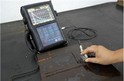
Ultrasonic Flaw Detection is mainly used to detect internal defects in materials by sending ultrasonic waves through the material. However, it may have limitations in detecting small defects or defects in complex geometries. 3D X Ray Inspection, on the other hand, can provide clear 3D images of the internal structure, making it easier to detect and analyze defects.
Magnetic Powder Inspection is used to detect surface and near - surface defects in ferromagnetic materials. It requires the presence of a magnetic field and the application of magnetic powder. This method is not suitable for non - ferromagnetic materials or for detecting internal defects. 3D X Ray Inspection can be used on a wide range of materials, including non - ferromagnetic materials, and can detect internal as well as surface defects.
Conclusion and Call to Action
In conclusion, 3D X Ray Inspection is a versatile and powerful inspection method that is suitable for a wide range of applications. From electronics manufacturing to aerospace, automotive, medical device, and food and pharmaceutical industries, it offers a non - invasive way to detect hidden defects and ensure the quality and reliability of products.
If you are in need of high - quality X Ray Inspection systems for your manufacturing processes, or if you want to learn more about how 3D X Ray Inspection can benefit your business, I encourage you to reach out. Our team of experts can provide you with detailed information, customized solutions, and support to meet your specific inspection needs. Contact us to start a productive discussion and take your quality control to the next level.
References
- ASNT (American Society for Nondestructive Testing). Nondestructive Testing Handbook.
- ASTM International. Standard practices for non - destructive testing.
- Industry reports on the usage of inspection methods in different sectors.