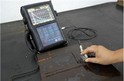

Magnetic powder inspection (MPI) is a widely used non-destructive testing method for detecting surface and near-surface defects in ferromagnetic materials. As a leading supplier of magnetic powder inspection products, we understand the importance of proper storage of magnetic powder to maintain its quality and performance. In this blog post, we will discuss the best practices for storing magnetic powder used in magnetic powder inspection.
Understanding the Characteristics of Magnetic Powder
Before delving into storage methods, it's crucial to understand the characteristics of magnetic powder. Magnetic powders used in MPI are typically made of ferromagnetic materials such as iron oxide or iron. These powders come in different forms, including dry powders and wet suspensions. Dry powders are loose and free - flowing, while wet suspensions are magnetic particles suspended in a liquid carrier.
The quality of magnetic powder can be affected by various factors, including moisture, temperature, and contamination. Moisture can cause the powder to clump together, reducing its ability to form clear indications on the test surface. High temperatures can alter the magnetic properties of the powder, and contamination can introduce foreign particles that interfere with the inspection process.


Storage Conditions for Dry Magnetic Powder
Temperature Control
Dry magnetic powder should be stored in a cool and dry environment. The ideal temperature range for storage is between 10°C and 30°C (50°F - 86°F). Extreme temperatures can cause the powder particles to expand or contract, which may affect their magnetic properties. For example, if the powder is stored at very high temperatures for an extended period, it may lose its magnetic responsiveness, leading to weaker indications during inspection.
Moisture Prevention
Moisture is one of the biggest enemies of dry magnetic powder. Moisture can cause the powder to agglomerate, making it difficult to spread evenly on the test surface. To prevent moisture absorption, the powder should be stored in air - tight containers. Desiccants can be placed inside the storage containers to absorb any residual moisture. Silica gel packets are a common and effective desiccant. They can be easily replaced when they become saturated.
Protection from Contamination
The storage area should be clean and free from dust, dirt, and other contaminants. The containers should be sealed properly to prevent the entry of foreign particles. It's also advisable to store the magnetic powder away from areas where there is a high risk of contamination, such as near construction sites or industrial processes that generate a lot of dust.
Storage Conditions for Wet Magnetic Powder Suspensions
Temperature and Stability
Wet magnetic powder suspensions are more sensitive to temperature changes compared to dry powders. The recommended storage temperature for wet suspensions is usually between 15°C and 25°C (59°F - 77°F). At lower temperatures, the viscosity of the liquid carrier may increase, causing the magnetic particles to settle more quickly. At higher temperatures, the liquid carrier may evaporate, changing the concentration of the suspension and affecting its performance.
Prevention of Sedimentation
One of the main challenges in storing wet magnetic powder suspensions is preventing the sedimentation of magnetic particles. To address this issue, the containers should be gently agitated periodically. Some suppliers provide special storage containers with built - in agitation mechanisms. If such containers are not available, manual agitation can be done by gently rolling or shaking the container.
Protection from Microbial Growth
The liquid carriers in wet magnetic powder suspensions can be a breeding ground for microorganisms. To prevent microbial growth, biocides are often added to the suspensions during manufacturing. However, proper storage is still essential. The containers should be kept tightly closed to prevent the entry of air and microorganisms. If the suspension shows signs of mold or an unpleasant odor, it should be discarded immediately.
Labeling and Inventory Management
Proper labeling of magnetic powder containers is essential for easy identification and traceability. Each container should be labeled with the type of magnetic powder, the batch number, the expiration date, and the date of receipt. This information helps in ensuring that the oldest powder is used first, following the “first - in, first - out” (FIFO) principle.
Inventory management is also crucial. Maintaining an accurate inventory of magnetic powder helps in preventing overstocking or running out of stock. It's recommended to set up a reorder point for each type of magnetic powder to ensure a continuous supply for inspection operations.
Impact of Improper Storage on Inspection Results
Improper storage of magnetic powder can have a significant impact on the accuracy and reliability of magnetic powder inspection results. Clumped or contaminated powder may not form clear and distinct indications on the test surface, leading to false negatives or false positives. For example, if the powder is clumped due to moisture, it may not spread evenly, causing some defects to be missed. On the other hand, if the powder is contaminated, it may create false indications that can mislead the inspector.
Complementary Non - Destructive Testing Methods
Magnetic powder inspection is just one of the many non - destructive testing methods available. Other methods such as X Ray Inspection, Ultrasonic Flaw Detection, and Dye Penetrant Inspection can be used in conjunction with MPI to provide a more comprehensive assessment of the material's integrity. These methods have their own unique advantages and limitations, and the choice of method depends on the specific requirements of the inspection.
Conclusion and Call to Action
Proper storage of magnetic powder is essential for maintaining its quality and ensuring accurate and reliable magnetic powder inspection results. By following the best practices outlined in this blog post, you can extend the shelf life of your magnetic powder and improve the efficiency of your inspection operations.
As a trusted supplier of magnetic powder inspection products, we are committed to providing high - quality magnetic powders and expert advice on their storage and use. If you are looking for reliable magnetic powder for your inspection needs or have any questions about storage and handling, we encourage you to contact us for a detailed discussion. Our team of experts is ready to assist you in finding the best solutions for your specific requirements.
References
- ASNT (American Society for Nondestructive Testing). “Magnetic Particle Testing Handbook.”
- ISO Standards related to magnetic powder inspection and storage of testing materials.
- Manufacturer's guidelines for magnetic powder products.