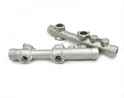

Selecting the right ductile iron casting supplier is a crucial decision for businesses across various industries. As a ductile iron casting supplier myself, I understand the significance of this choice and the impact it can have on your operations. In this blog post, I will share some insights and considerations to help you make an informed decision when choosing a ductile iron casting supplier.
Quality Assurance
One of the most important factors to consider when choosing a ductile iron casting supplier is their commitment to quality. Quality assurance is essential to ensure that the castings meet your specifications and perform as expected. A reliable supplier should have a comprehensive quality management system in place, which includes strict quality control measures at every stage of the casting process.
Look for a supplier that is certified to international quality standards such as ISO 9001. This certification indicates that the supplier has implemented a quality management system that meets the requirements of the standard and is committed to continuous improvement. Additionally, ask the supplier about their quality control procedures, including inspection and testing methods. A reputable supplier will be transparent about their quality control processes and provide you with detailed information about how they ensure the quality of their castings.
Technical Expertise
Ductile iron casting is a complex process that requires technical expertise and experience. When choosing a supplier, it is important to consider their technical capabilities and knowledge. A supplier with a team of experienced engineers and technicians can provide you with valuable insights and guidance throughout the casting process, from design and prototyping to production and finishing.
Look for a supplier that has a proven track record of producing high-quality ductile iron castings. Ask for examples of their previous work and customer testimonials to get an idea of their capabilities and reputation. Additionally, consider the supplier's investment in research and development. A supplier that is committed to innovation and continuous improvement is more likely to be able to meet your evolving needs and provide you with the latest casting technologies and solutions.
Production Capacity
Another important factor to consider when choosing a ductile iron casting supplier is their production capacity. Your supplier should be able to meet your production requirements in a timely manner, without compromising on quality. Consider the supplier's production facilities, equipment, and workforce to determine their capacity to handle your order.
Ask the supplier about their lead times and production schedules. A reliable supplier will be able to provide you with a clear timeline for your order and keep you informed of any delays or issues that may arise. Additionally, consider the supplier's ability to scale up production if needed. If your business experiences growth or unexpected demand, you want to be confident that your supplier can meet your increased production requirements.
Cost-Effectiveness
Cost is always a consideration when choosing a supplier, but it should not be the only factor. While it is important to find a supplier that offers competitive pricing, it is equally important to ensure that you are getting value for your money. A supplier that offers low prices but compromises on quality or service may end up costing you more in the long run.
When evaluating a supplier's pricing, consider the total cost of ownership, including the cost of the castings, shipping, handling, and any additional services or support that may be required. Look for a supplier that offers transparent pricing and is willing to work with you to find a cost-effective solution that meets your needs. Additionally, consider the supplier's payment terms and financing options. A supplier that offers flexible payment terms and financing options can help you manage your cash flow and reduce your financial risk.
Customer Service
Good customer service is essential when working with a ductile iron casting supplier. You want to work with a supplier that is responsive, reliable, and easy to communicate with. A supplier that values your business and is committed to providing excellent customer service will go the extra mile to ensure your satisfaction.
When evaluating a supplier's customer service, consider their communication channels and responsiveness. Look for a supplier that offers multiple channels of communication, such as phone, email, and online chat, and is available to answer your questions and address your concerns in a timely manner. Additionally, consider the supplier's willingness to work with you to resolve any issues or problems that may arise. A supplier that takes ownership of the problem and works with you to find a solution will help you build a long-term relationship based on trust and mutual respect.
Additional Services
In addition to producing high-quality ductile iron castings, some suppliers may offer additional services and support to help you with your project. These services may include design assistance, prototyping, finishing, machining, and assembly. Working with a supplier that offers these additional services can save you time and money by streamlining the production process and reducing the need for multiple suppliers.
When evaluating a supplier's additional services, consider your specific needs and requirements. Look for a supplier that has the expertise and capabilities to provide the services you need. Additionally, consider the supplier's pricing and turnaround times for these services. A supplier that offers competitive pricing and fast turnaround times for additional services can help you get your project completed on time and within budget.
Environmental Sustainability
In today's world, environmental sustainability is an important consideration for many businesses. When choosing a ductile iron casting supplier, it is important to consider their environmental practices and commitment to sustainability. A supplier that is committed to reducing their environmental impact can help you meet your own sustainability goals and improve your corporate social responsibility.


When evaluating a supplier's environmental sustainability, consider their environmental management system, energy efficiency, waste management, and use of sustainable materials. Look for a supplier that is certified to environmental standards such as ISO 14001. This certification indicates that the supplier has implemented an environmental management system that meets the requirements of the standard and is committed to continuous improvement. Additionally, consider the supplier's efforts to reduce their carbon footprint and minimize their impact on the environment.
Conclusion
Choosing the right ductile iron casting supplier is a critical decision that can have a significant impact on your business. By considering the factors outlined in this blog post, you can make an informed decision and choose a supplier that meets your needs and requirements. Remember to evaluate the supplier's quality assurance, technical expertise, production capacity, cost-effectiveness, customer service, additional services, and environmental sustainability. By working with a reliable and reputable supplier, you can ensure that you receive high-quality ductile iron castings that meet your specifications and perform as expected.
If you are in the market for a ductile iron casting supplier, I encourage you to contact us to discuss your project. We are a leading supplier of Gray Iron Casting, High Chromium Iron Casting, and Casting Steel Precision Parts, and we have the expertise and capabilities to meet your needs. Our team of experienced engineers and technicians will work with you to understand your requirements and provide you with a cost-effective solution that meets your specifications. Contact us today to learn more about our products and services and to request a quote.
References
- "Ductile Iron Castings: A Guide to Design, Production, and Applications." American Foundry Society.
- "Quality Management Systems - Requirements." ISO 9001:2015.
- "Environmental Management Systems - Requirements with Guidance for Use." ISO 14001:2015.