
Hey there! I'm working with a Quality Control (QC) supplier, and today I wanna chat about how quality control works in the construction industry. It's a super important topic because quality control can make or break a construction project.
Why Quality Control Matters in Construction
First off, let's talk about why quality control is such a big deal in construction. Construction projects are huge investments, both in terms of money and time. A single mistake can lead to serious problems down the road, like structural failures, safety hazards, and costly repairs. That's where quality control steps in. It helps ensure that everything from the materials used to the final finish meets the required standards.
Think about it. When you're building a skyscraper, you need to be 100% sure that the steel beams are strong enough to support the weight of the building. Or when you're constructing a bridge, the concrete has to have the right mix to withstand the forces of nature. Without proper quality control, these structures could be at risk of collapsing, which is obviously a major no - no.
The Key Stages of Quality Control in Construction
Pre - construction Phase
The quality control process actually starts long before the first shovel hits the ground. During the pre - construction phase, we focus on a few key areas.
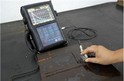
One of the most important things is material selection. We need to make sure that the materials we're using are of the highest quality. This means checking the supplier's reputation, looking at product certifications, and even doing some of our own tests. For example, if we're using steel for a project, we might perform Chemical Composition Analysis (Spectrum Analysis). This test helps us determine if the steel has the right amount of elements like carbon, manganese, and sulfur, which can affect its strength and durability.
We also review the construction plans and specifications. This is crucial because any errors or ambiguities in the plans can lead to problems during construction. We work closely with architects and engineers to make sure that everything is clear and achievable.
Construction Phase
Once the construction starts, quality control becomes an ongoing process. We have a team of inspectors on - site who are constantly monitoring the work.
One of the main tasks during this phase is Dimension Inspection. This involves checking that all the components are being built to the correct size and shape. For example, if we're building a wall, the inspector will measure the height, width, and thickness to make sure they match the plans. Even a small deviation can cause problems later on, like doors not fitting properly or uneven floors.


We also conduct regular tests on the construction materials as they're being used. For instance, we might test the concrete's strength at different stages of curing. This helps us ensure that the concrete is developing the right amount of strength over time.
Another important aspect is workmanship. We pay close attention to how the workers are performing their tasks. Are they following the best practices? Are they using the right tools and techniques? If we notice any issues with workmanship, we'll address them immediately to prevent any quality problems from occurring.
Post - construction Phase
After the construction is complete, the quality control process isn't over yet. We conduct a final inspection to make sure that the entire project meets the required standards.
This includes checking the functionality of all the systems in the building, like the plumbing, electrical, and HVAC systems. We also look at the overall aesthetics of the building, such as the paint finish and the alignment of fixtures.
We also review all the documentation related to the project, including the test results and inspection reports. This helps us create a record of the project's quality and can be useful for future reference.
Challenges in Construction Quality Control
Of course, quality control in construction isn't without its challenges. One of the biggest challenges is time and cost. Construction projects often have tight deadlines and budgets, and sometimes it can be difficult to fit in all the necessary quality control measures. For example, performing additional tests on materials can take time and cost money, and contractors might be reluctant to do it.
Another challenge is the complexity of construction projects. Modern buildings are becoming more and more complex, with advanced technologies and materials. This means that quality control inspectors need to have a wide range of knowledge and skills to be able to effectively monitor the work.
There's also the issue of human error. Even with the best quality control systems in place, mistakes can still happen. Workers might make errors, or inspectors might miss something during an inspection.
How Our Quality Control Supplier Can Help
As a quality control supplier, we've got the expertise and resources to overcome these challenges. We have a team of experienced inspectors who are trained to handle all aspects of construction quality control.
We use the latest technologies and equipment to conduct our inspections and tests. This helps us ensure accurate and reliable results. For example, we use laser scanners for dimension inspection, which can provide highly precise measurements.
We also offer customized quality control solutions. Every construction project is different, and we understand that. So, we work closely with our clients to develop a quality control plan that meets their specific needs and requirements.
Contact Us for Quality Control Solutions
If you're involved in a construction project and you're looking for a reliable quality control partner, we'd love to hear from you. Our team is ready to help you ensure that your project meets the highest quality standards. Whether you're building a small residential property or a large commercial complex, we have the skills and experience to get the job done right. Reach out to us to start a conversation about how we can work together to make your construction project a success.
References
- Construction Industry Institute. (20XX). Best Practices in Construction Quality Control.
- National Institute of Standards and Technology. (20XX). Guidelines for Quality Assurance in Construction.
- American Society of Civil Engineers. (20XX). Quality Control Manual for Construction Projects.