
Can Nondestructive Inspection Detect Hidden Defects in Masonry Structures?
Masonry structures, with their long - standing history and widespread use in buildings, bridges, and other architectural marvels, often hide a multitude of potential defects beneath their surfaces. As a trusted nondestructive inspection (NDI) supplier, I am frequently asked whether NDI techniques can effectively detect these hidden flaws. In this blog, we'll explore the capabilities of NDI in uncovering defects within masonry structures and why it's an invaluable asset for maintaining the integrity of these time - honored constructions.
The Significance of Detecting Hidden Defects in Masonry Structures
Masonry structures are subject to various forms of stress over time, including environmental factors such as weathering, seismic activity, and the natural aging process. These can lead to hidden defects like internal cracks, voids, and delamination. If left undetected, these issues can gradually compromise the structural integrity of the masonry, posing serious safety risks to occupants and leading to costly repairs or even the collapse of the structure.
Detecting these hidden defects early is crucial for preventing catastrophic failures. By identifying problems in their infancy, property owners and engineers can implement targeted repair strategies, extend the lifespan of the structure, and ensure the safety of those who interact with it. This is where nondestructive inspection comes into play.
How Nondestructive Inspection Works
Nondestructive inspection encompasses a range of techniques that allow us to assess the internal condition of a material without causing damage. These methods rely on physical principles such as sound, light, and magnetism to detect anomalies within the structure. Here are some of the most commonly used NDI techniques for masonry structures:
Dye Penetrant Inspection
Dye Penetrant Inspection is a surface - breaking defect detection method. In this process, a brightly colored liquid penetrant is applied to the surface of the masonry. The penetrant seeps into any surface - opening cracks or flaws. After a specified dwell time, the excess penetrant is removed, and a developer is applied. The developer draws the penetrant out of the flaws, making them visible as bright indications against the background of the masonry. This technique is highly effective for detecting surface - breaking cracks that may not be visible to the naked eye, providing a clear visual representation of potential problem areas.
Ultrasonic Flaw Detection
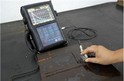
Ultrasonic Flaw Detection utilizes high - frequency sound waves to detect internal defects in the masonry. A transducer sends ultrasonic waves into the structure, and these waves travel through the material. When they encounter a defect such as a crack or void, some of the waves are reflected back to the transducer. By analyzing the time it takes for the waves to return and the characteristics of the reflected signals, we can determine the location, size, and orientation of the defect. Ultrasonic testing is particularly useful for detecting internal flaws deep within the masonry, making it an essential tool for comprehensive structural assessments.
Magnetic Powder Inspection
Magnetic Powder Inspection is applicable to ferromagnetic materials commonly found in masonry, such as iron - based components. A magnetic field is applied to the structure, and if there is a surface or near - surface defect, the magnetic field is disrupted, creating a leakage field. Magnetic powder is then applied to the surface, and it accumulates at the location of the defect, making it visible. This technique is highly sensitive to surface and near - surface flaws, providing quick and reliable results for detecting hidden defects in ferromagnetic elements of masonry structures.
Case Studies: Success Stories of NDI in Masonry Inspection
To illustrate the effectiveness of nondestructive inspection in detecting hidden defects in masonry structures, let's look at a few real - world examples.
In a historic masonry building undergoing renovation, ultrasonic flaw detection was employed to assess the internal condition of the load - bearing walls. The inspection revealed several large internal cracks that were not visible from the surface. This discovery prompted the engineering team to modify the renovation plans to include targeted reinforcement measures, preventing potential structural failures during and after the renovation process.
Another case involved a masonry bridge that showed signs of surface distress. Dye penetrant inspection was used to identify surface - breaking cracks, which were then further investigated using ultrasonic testing to determine the depth and extent of the damage. Based on the inspection results, the bridge was repaired using appropriate grouting and reinforcement techniques, ensuring its continued safe use for years to come.


Limitations of Nondestructive Inspection in Masonry
While nondestructive inspection is a powerful tool for detecting hidden defects in masonry structures, it does have its limitations. Some defects may be too small or located in areas that are difficult to access, making them challenging to detect. For example, very fine cracks in the interior of thick masonry walls may not be detectable by ultrasonic testing if the waves are attenuated before reaching the defect. Additionally, the complex nature of masonry materials, which can vary in composition and density, can sometimes make it difficult to accurately interpret inspection results.
However, these limitations do not diminish the overall value of NDI. By combining multiple inspection techniques and leveraging the expertise of experienced inspectors, we can minimize the impact of these limitations and obtain a more comprehensive understanding of the structure's condition.
The Role of an NDI Supplier
As an NDI supplier, our role is to provide high - quality inspection services and state - of - the - art equipment to our clients. We invest in the latest technology and continuously train our inspectors to ensure that they are proficient in using the most advanced NDI techniques. We work closely with engineers, architects, and property owners to develop customized inspection plans tailored to the specific needs of each masonry structure.
Our team of experts is available to provide detailed reports and analysis of inspection results, helping clients make informed decisions about the repair and maintenance of their structures. We also offer ongoing support and consultation services to ensure that the recommended repair strategies are implemented effectively.
Conclusion: The Value of Nondestructive Inspection in Masonry
In conclusion, nondestructive inspection is a vital tool for detecting hidden defects in masonry structures. Through techniques such as dye penetrant inspection, ultrasonic flaw detection, and magnetic powder inspection, we can uncover flaws that are not visible to the naked eye, allowing for early intervention and targeted repairs. While there are limitations to NDI, the benefits far outweigh the drawbacks, providing property owners and engineers with the information they need to ensure the safety and longevity of masonry structures.
If you are a property owner, engineer, or architect looking to assess the condition of a masonry structure, we invite you to contact us to discuss your needs. Our team of experienced nondestructive inspection professionals is ready to provide you with the highest level of service and expertise. We look forward to the opportunity to work with you and help you safeguard your valuable masonry assets.
References
- ASNT (American Society for Nondestructive Testing). Nondestructive Testing Handbook.
- ASTM International. Standards related to nondestructive testing of masonry structures.
- International Masonry Institute. Guidelines for the inspection and repair of masonry buildings.