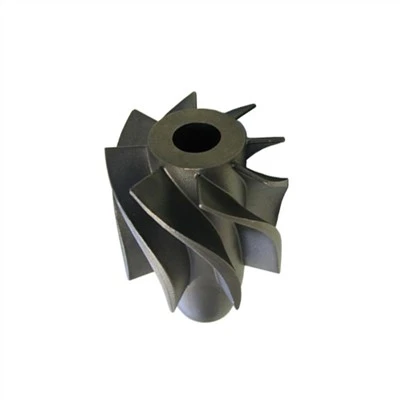
Silica sol precision casting involves several casting methods throughout the casting process. In vacuum casting, the mold shell is placed in a vacuum casting chamber, and gas is extracted from the cavity through the tiny gaps in the mold shell.
Silica sol precision casting allows the hydraulic material to better fill the cavity, replicate its shape, improve casting precision, and prevent defects such as porosity and incomplete filling.
Silica sol precision casting crystallizes under pressure. During casting, the mold shell is placed in a pressure vessel. After completion, the pressure vessel is immediately sealed. During use, high-pressure gas or rare gas is introduced into the vessel, causing the casting to solidify under pressure, thereby increasing the density of the casting.
Silica sol casting, particularly hot-form casting, is a widely used method in its application. After the mold is removed from the furnace, casting is performed at high temperatures.
The targeted crystallization of silica sol casting is particularly beneficial for certain investment casting components, such as magnets and turbine blades. If their crystal structure consists of columnar crystals arranged in a specific orientation, their performance can be significantly improved. Therefore, targeted crystallization technology in investment casting is rapidly developing.