
In the world of manufacturing, CNC machining has revolutionized the way we produce parts and products. As a CNC machining supplier, I've seen firsthand how this technology has transformed the industry. And at the heart of efficient and precise CNC machining lies CAM software. So, what exactly is the role of CAM software in CNC machining? Let's dive in.
What is CAM Software?
First off, let's clarify what CAM software is. CAM stands for Computer-Aided Manufacturing. It's a type of software that helps in the creation of instructions for CNC machines. These instructions, often in the form of G-code, tell the CNC machine how to move, what tools to use, and at what speed to operate. In simple terms, CAM software bridges the gap between the design phase and the actual manufacturing process.
Design to Manufacturing
One of the primary roles of CAM software is to take a digital design, usually created in a CAD (Computer-Aided Design) program, and turn it into a set of instructions that a CNC machine can understand. As a CNC machining supplier, I deal with a variety of designs from different clients. These designs can range from simple components to complex, custom-made parts.
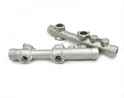
CAM software allows me to import these CAD files and analyze them. It helps me identify the best way to machine the part, taking into account factors like the material, the available tools, and the capabilities of my CNC machines. For example, if a client sends me a design for a Stainless Steel Pump Body, the CAM software will help me determine the most efficient machining strategy. It will suggest the appropriate cutting tools, the optimal cutting speeds, and the best sequence of operations to ensure a high-quality finished product.
Toolpath Generation
Another crucial role of CAM software is toolpath generation. A toolpath is the path that the cutting tool will follow during the machining process. CAM software uses algorithms to calculate the most efficient toolpaths based on the design and the machining requirements.
This is where the real magic happens. The software can generate toolpaths that minimize the machining time while maintaining the required level of precision. It can also take into account factors like tool wear and material waste. For instance, if I'm machining a part from a large block of material, the CAM software can generate a toolpath that removes the excess material in the most efficient way possible, reducing waste and saving on material costs.


Simulation and Verification
Before I start machining a part on a CNC machine, I always use the CAM software's simulation and verification features. These features allow me to visualize the machining process and check for any potential issues.
I can run a simulation of the toolpaths to see how the cutting tool will interact with the material. This helps me identify any collisions or errors in the toolpaths. For example, if the tool is going to hit a fixture or another part of the machine, the simulation will show it, and I can make the necessary adjustments before starting the actual machining.
Verification is also important. The CAM software can compare the simulated result with the original design to ensure that the final part will meet the required specifications. This helps me catch any mistakes early on, saving time and money in the long run.
Integration with CNC Machines
CAM software needs to be compatible with the CNC machines I use. Most modern CAM software can generate G-code that is compatible with a wide range of CNC controllers. This allows me to transfer the machining instructions directly from the CAM software to the CNC machine.
The integration between the CAM software and the CNC machine is seamless. Once the G-code is generated, I can send it to the machine using a USB drive or a network connection. The machine then reads the G-code and starts the machining process. This eliminates the need for manual programming, which can be time-consuming and error-prone.
Customization and Flexibility
As a CNC machining supplier, I often have to deal with custom orders. Each client has different requirements, and I need to be able to adapt my machining processes accordingly. CAM software provides the flexibility I need to handle these custom orders.
I can customize the toolpaths, cutting parameters, and machining strategies based on the specific requirements of each job. For example, if a client needs a part with a specific surface finish, I can adjust the CAM software settings to achieve the desired result. The software also allows me to use different types of cutting tools and machining operations, giving me more options to meet the client's needs.
Surface Treatment and CAM Software
In addition to machining, surface treatment is an important part of the manufacturing process. Surface Treatment can improve the appearance, durability, and performance of the machined parts. CAM software can also play a role in surface treatment.
Some CAM software can generate toolpaths for surface finishing operations like polishing and grinding. It can also help in the planning of surface treatment processes, such as determining the best way to apply a coating or a plating. This integration between machining and surface treatment allows me to offer a more comprehensive service to my clients.
Cost and Time Savings
Using CAM software in CNC machining can lead to significant cost and time savings. By optimizing the toolpaths and machining strategies, I can reduce the machining time and increase the productivity of my CNC machines. This means I can produce more parts in less time, which is beneficial for both me and my clients.
The simulation and verification features of CAM software also help in reducing the number of errors and rework. This saves on material costs and labor costs. Additionally, the ability to handle custom orders more efficiently means I can take on more projects and increase my revenue.
Conclusion
In conclusion, CAM software plays a vital role in CNC machining. As a CNC machining supplier, I rely on CAM software to turn my clients' designs into high-quality machined parts. It helps me optimize the machining process, reduce costs, and improve the overall efficiency of my operations.
If you're in need of CNC Machining services, I'd be more than happy to discuss your project with you. Whether you have a simple design or a complex custom order, I have the experience and the technology to meet your needs. Don't hesitate to reach out and start a conversation about your machining requirements.
References
- Smith, John. "Introduction to CNC Machining and CAM Software." Manufacturing Today, 2020.
- Brown, David. "The Role of CAM Software in Modern Manufacturing." Machining World, 2021.