
Ultrasonic flaw detection has been a cornerstone in the field of nondestructive testing (NDT) for decades. As a supplier in this sector, I've witnessed firsthand its remarkable evolution and the exciting trends shaping its future. In this post, I'll share my insights on where ultrasonic flaw detection is headed and how these changes can benefit your business.
Current State of Ultrasonic Flaw Detection
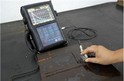
Ultrasonic flaw detection technology has come a long way since its inception. It's now widely used across various industries, including aerospace, automotive, and manufacturing, to detect internal defects in materials like metals, composites, and plastics. The principle is simple yet effective: ultrasonic waves are sent into a material, and any disruptions caused by defects are analyzed based on the reflected waves.
Despite its effectiveness, the current technology has limitations. Traditional ultrasonic testing requires a high level of operator skill, and results can vary depending on the operator's experience. Also, complex geometries and certain materials can pose challenges, leading to inaccurate or incomplete defect detection.
Future Development Trends
Advancements in Sensor Technology
One of the most significant trends in ultrasonic flaw detection is the development of more advanced sensors. These new sensors are smaller, more sensitive, and can operate at higher frequencies, allowing for the detection of smaller defects and providing better-resolution images. They are also more durable and can withstand harsh industrial environments, reducing maintenance costs.
For example, phased array ultrasonic testing (PAUT) sensors are becoming increasingly popular. These sensors use multiple elements to control the shape and direction of the ultrasonic beam electronically, offering greater flexibility and better coverage than traditional single-element sensors. PAUT can inspect complex geometries and welds more efficiently, making it a valuable tool in industries with high-quality standards.
Integration with Artificial Intelligence (AI) and Machine Learning (ML)
The integration of AI and ML into ultrasonic flaw detection is another game-changing trend. AI algorithms can analyze ultrasonic data much faster and more accurately than human operators, reducing the risk of human error. ML models can be trained to recognize different types of defects based on large datasets, improving the reliability of defect classification.
This not only speeds up the inspection process but also enables real-time monitoring and predictive maintenance. By analyzing historical data, AI can predict when a component is likely to fail, allowing for proactive replacement or repair. This predictive approach can save companies significant costs and prevent potential safety hazards.
Portable and Wireless Devices
The demand for portable and wireless ultrasonic flaw detection devices is on the rise. These devices offer greater flexibility and can be used in remote or hard-to-reach locations. They are also easier to transport and set up, reducing downtime and improving efficiency.
Wireless connectivity allows for seamless data transfer between the device and a central server, enabling remote analysis and collaboration. This is particularly useful for large projects or when multiple experts need to review the results simultaneously.
Enhanced Data Visualization
As ultrasonic flaw detection systems generate more complex data, the need for better data visualization tools is becoming crucial. Advanced software can create 3D models of the inspected material, highlighting defects and providing a clear understanding of their location and size.


Interactive visualizations allow operators to explore the data from different angles and perspectives, making it easier to identify and analyze defects. This improved visualization can also help in communicating the inspection results to non-technical stakeholders, such as managers and clients.
Comparison with Other NDT Methods
Ultrasonic flaw detection is just one of several NDT methods available. Other popular methods include Dye Penetrant Inspection, X Ray Inspection, and Magnetic Powder Inspection. Each method has its strengths and weaknesses, and the choice depends on the specific application.
For example, dye penetrant inspection is excellent for detecting surface defects but is less effective for internal defects. X-ray inspection can provide detailed images of internal structures but is more expensive and requires special safety precautions. Magnetic powder inspection is suitable for ferromagnetic materials and can detect surface and near-surface defects, but it has limitations when it comes to non-magnetic materials.
Ultrasonic flaw detection, on the other hand, is versatile and can detect both surface and internal defects in a wide range of materials. It's also relatively fast and cost-effective, making it a popular choice for many industries.
How These Trends Benefit Your Business
The future development trends of ultrasonic flaw detection offer several benefits for your business. Firstly, the improved accuracy and reliability of defect detection can help you maintain high-quality standards and reduce the risk of product failures. This can enhance your reputation in the market and increase customer satisfaction.
Secondly, the integration of AI and ML can streamline your inspection processes, saving you time and money. By automating the analysis of ultrasonic data, you can reduce the need for manual labor and improve the efficiency of your operations.
Thirdly, the portability and wireless capabilities of new devices allow you to conduct inspections in more locations and under different conditions. This can increase your flexibility and enable you to respond quickly to customer needs.
Finally, the enhanced data visualization tools can help you make more informed decisions. By having a clear understanding of the defects in your materials, you can determine the best course of action, whether it's repair, replacement, or continued use.
Looking to the Future
As an ultrasonic flaw detection supplier, I'm excited about the future of this technology. The advancements in sensor technology, AI integration, and data visualization are transforming the way we approach nondestructive testing. These trends not only improve the performance of ultrasonic flaw detection but also make it more accessible and user-friendly.
If you're in the market for ultrasonic flaw detection equipment or services, I encourage you to reach out. We can discuss your specific needs and help you find the best solution for your business. Whether you're a small manufacturer or a large aerospace company, we have the expertise and products to meet your requirements.
Contact us today to learn more about how our ultrasonic flaw detection solutions can benefit your business. Let's work together to ensure the quality and safety of your products through the latest in NDT technology.
References
- ASNT (American Society for Nondestructive Testing). "Ultrasonic Testing Handbook."
- ASTM International. "Standards on Nondestructive Testing."
- Various industry research reports on NDT technology advancements.