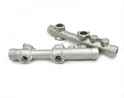

Hey there! I'm a supplier of What Is Shell Mold Casting, and today I wanna talk about the fire prevention measures in shell mold casting.
First off, let's quickly go over what shell mold casting is. If you're curious and wanna know more details, you can check out What Is Shell Mold Casting. Shell mold casting is a precision metal casting process that uses a resin-coated sand to form a thin, hard shell around a pattern. This shell serves as the mold for casting metal parts. The process is pretty cool, and you can learn more about it on Shell Mold Casting Process.
Now, onto the main topic - fire prevention. Fire can be a serious hazard in shell mold casting, and we need to take it seriously. There are several factors that can contribute to fires in this process.
1. Resin and Sand Combustibility
The resin used in shell mold casting is flammable. When it's heated during the molding process, there's a risk of ignition. The sand, although not flammable on its own, can hold the heat and spread it if there's a fire. So, proper storage of resin and sand is crucial.
We should store the resin in a cool, well - ventilated area away from any heat sources. It's also important to keep the resin containers sealed to prevent any leakage. The sand should be stored in a dry place to avoid any moisture that could potentially cause problems during the heating process.
2. Heating Equipment
The equipment used to heat the resin - coated sand, like ovens and furnaces, can be a major source of fire. These machines generate a lot of heat, and if they're not properly maintained, it can lead to overheating and ignition.
Regular maintenance of the heating equipment is a must. We need to check the heating elements, thermostats, and insulation regularly. Any signs of wear and tear should be addressed immediately. Also, it's important to follow the manufacturer's instructions for operating these machines. For example, don't overload the oven or furnace, as this can cause uneven heating and increase the risk of fire.
3. Metal Pouring
When pouring molten metal into the shell mold, there's a risk of splashing. If the molten metal comes into contact with flammable materials, it can start a fire.


To prevent this, we should use proper pouring techniques. Make sure the pouring ladle is in good condition and that the pouring process is done slowly and steadily. Also, keep the area around the pouring station clear of any flammable debris. There should be fire - resistant barriers around the pouring area to contain any splashes.
4. Electrical Systems
The electrical systems in a shell mold casting facility can also pose a fire risk. Faulty wiring, overloaded circuits, and electrical sparks can all lead to fires.
We need to have a professional electrician inspect the electrical systems regularly. All electrical equipment should be properly grounded, and any frayed wires or loose connections should be fixed right away. It's also a good idea to install surge protectors to prevent electrical surges that could damage the equipment and potentially start a fire.
5. Employee Training
Employees are the front - line defense against fires. They need to be well - trained in fire prevention and safety procedures.
All employees should be trained on how to use fire extinguishers properly. They should know the location of all fire exits and evacuation routes in the facility. Regular fire drills should be conducted to ensure that everyone knows what to do in case of a fire. Also, employees should be educated about the fire hazards in shell mold casting and how to prevent them.
6. Fire Detection and Suppression Systems
Installing fire detection and suppression systems is essential. Smoke detectors should be placed throughout the facility, especially near areas where there's a higher risk of fire, like the heating equipment and the metal pouring stations.
Fire sprinkler systems can also be very effective in suppressing fires. These systems should be regularly inspected and maintained to ensure they're in working order. In addition to sprinklers, we can also have portable fire extinguishers placed in strategic locations around the facility.
7. Housekeeping
Good housekeeping practices can go a long way in preventing fires. Keeping the work area clean and free of debris reduces the risk of fire.
Sweep up any sand or resin dust regularly. Don't let waste materials accumulate. Remove any scrap metal or other flammable items from the work area. A clean and organized facility is not only safer but also more efficient.
8. Emergency Response Plan
Having a well - defined emergency response plan is crucial. In case of a fire, everyone should know what their roles and responsibilities are.
The emergency response plan should include procedures for evacuating the facility, notifying the fire department, and dealing with any injuries. It should also have a system for accounting for all employees after an evacuation. Regularly review and update the emergency response plan to ensure it's still relevant and effective.
In conclusion, fire prevention in shell mold casting is a multi - faceted process. We need to address all the potential fire hazards, from the materials we use to the equipment we operate and the people who work in the facility. By implementing these fire prevention measures, we can create a safer working environment and reduce the risk of costly fires.
If you're interested in our shell mold casting products or have any questions about our fire prevention measures, we'd love to hear from you. Reach out to us to start a conversation about your procurement needs. We're here to provide you with high - quality products and ensure a safe and reliable casting process.
References
- General knowledge of shell mold casting industry practices
- Experience in operating a shell mold casting supply business