
Hey there! As an investment casting supplier, I'm stoked to take you through the steps of making an investment casting pattern. It's a super cool process that involves a bunch of precise steps to create high - quality castings. Let's dive in!


Step 1: Designing the Pattern
The very first thing we need to do is design the pattern. This is like the blueprint for our final casting. Using advanced 3D modeling software, we can design the pattern with extreme precision. We take into account all the requirements of the end - product, such as dimensions, features, and tolerances.
The design phase is crucial because any mistakes made here will carry over to the final casting. So, we work closely with our clients to understand their needs. Whether it's a simple part or a complex component, we make sure the design is spot - on. Once the design is finalized, we can move on to the next step.
Step 2: Pattern Making
Now that we have the design, it's time to make the pattern. Usually, we use wax to make patterns because it has several advantages. Wax is easy to work with, and it can replicate even the most intricate details of the design. We use injection molding machines to create the wax patterns.
The wax is heated until it turns into a liquid state, and then it's injected into a mold cavity. The mold is made according to the 3D design we finalized earlier. Once the wax cools and solidifies, we get a perfect copy of the desired part. Sometimes, we might need to use multiple wax patterns for a single casting, and we'll assemble them together. This is often the case for larger or more complex structures.
Step 3: Assembly
After making the individual wax patterns, we assemble them onto a central wax sprue. The sprue acts as a channel for the molten metal to flow into the mold during the casting process. We also add wax runners and gates to control the flow of the metal. This assembly process is done carefully to ensure there are no gaps or weak points.
The right assembly is key to getting a well - formed casting. We have to think about how the metal will distribute within the mold and make sure that all parts of the pattern will be filled evenly. This requires a good understanding of fluid dynamics and casting principles.
Step 4: Shell Making
Once the wax pattern assembly is ready, it's time for shell making. This is a multi - step process that involves dipping the wax assembly into a ceramic slurry several times. Each dip is followed by a coating of refractory sand. The ceramic slurry and sand build up layer by layer to create a strong and heat - resistant shell around the wax pattern.
For more in - depth information on this process, you can check out Investment Casting Shell Making. As the layers stack up, the shell gets stronger and more capable of withstanding the high temperatures of the molten metal. After several dipping and coating cycles, we let the shell dry and harden completely.
Step 5: Dewaxing
The next step is dewaxing. We need to remove the wax from inside the ceramic shell so that there's a cavity for the molten metal to fill. There are a few different methods for dewaxing. One common method is to use steam autoclaving. We place the shell in an autoclave, and the steam melts the wax, which then drains out of the shell through the sprue.
Another method is to use a flash fire process, where the shell is heated rapidly to melt and burn off the wax. Whichever method we choose, the goal is to get rid of all the wax without damaging the ceramic shell.
Step 6: Preheating the Shell
Before pouring the molten metal, we preheat the ceramic shell. This is important because it helps prevent thermal shock when the hot metal is poured in. Thermal shock can cause the shell to crack, which would ruin the casting. We heat the shell to a specific temperature, depending on the type of metal we're using.
The preheating process also helps improve the flow of the molten metal, allowing it to fill all the nooks and crannies of the mold cavity more easily. This ensures that the final casting has a smooth finish and accurate dimensions.
Step 7: Pouring the Metal
Once the shell is preheated, we're ready to pour the molten metal. We carefully choose the right type of metal based on the requirements of the end - product. This could be stainless steel, aluminum, or other alloys.
The molten metal is poured into the sprue, and it flows through the runners and gates into the mold cavity. We have to pour the metal at the right speed and temperature to avoid issues like porosity or incomplete filling. It's a bit like pouring a delicate liquid, but with extremely high - temperature metal!
Step 8: Cooling and Solidification
After pouring the metal, we let it cool and solidify inside the shell. The cooling rate is carefully controlled because it affects the properties of the final casting. If the metal cools too quickly, it might develop internal stresses or cracks. On the other hand, if it cools too slowly, the grain structure of the metal might be too coarse, which can also affect the strength and durability of the casting.
Step 9: Breaking the Shell
Once the metal has solidified, we break the ceramic shell to reveal the casting. This is usually done using mechanical methods, like a hammer or a vibrating machine. After the shell is removed, we're left with the raw casting, which still has the sprue, runners, and gates attached.
Step 10: Finishing
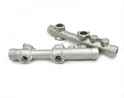
The final step is finishing the casting. We remove the sprue, runners, and gates using cutting tools. Then, we might perform additional processes like grinding, polishing, or heat treatment to improve the surface finish and mechanical properties of the casting.
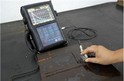
We can also perform quality inspections to make sure the casting meets all the required specifications. This might involve using non - destructive testing methods like X - ray or ultrasonic testing.
If you're interested in learning more about investment casting in general, check out What Is Investment Casting. And if you're looking for investment casting supplies, head over to Investment Casting Supplies.
We're always here to help with your investment casting needs. Whether you have a small - scale project or a large - scale production run, we've got the expertise and the resources to deliver high - quality castings. If you're thinking about starting a project or want to discuss your requirements in more detail, don't hesitate to reach out. We're eager to work with you and bring your ideas to life!
References
- "Investment Casting Handbook"
- Industry - specific trade journals on metal casting
- Technical papers on precision manufacturing processes