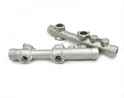

Hey there! As a heat treatment supplier, I've been in the thick of this industry for quite a while. And let me tell you, heat treatment standards are like the backbone of our work. They keep everything in line and ensure we're delivering top - notch products. So, what exactly are the standards for heat treatment in the industry? Let's dig in.
Why Heat Treatment Standards Matter
First off, why do we even need standards? Well, heat treatment is all about altering the physical and sometimes chemical properties of materials. We're talking about making metals stronger, more ductile, or more wear - resistant. Without standards, every heat treatment shop could do things their own way, and that's a recipe for disaster.
For example, if you're making a Stainless Steel Pump Body, you need it to be tough enough to handle the pressure and corrosion. Standards make sure that the heat treatment process for that pump body produces the right properties every single time. It's not just about quality control; it's about safety and reliability. If a pump body fails because of improper heat treatment, it could lead to all sorts of problems, from leaks to full - on system breakdowns.
Industry - Wide Standards
There are a few big names in the world of heat treatment standards. One of the most well - known is the American Society for Testing and Materials (ASTM). ASTM has developed a wide range of standards that cover everything from the heating and cooling rates to the specific alloys used in heat treatment.
These standards are like a rulebook for us heat treatment suppliers. They tell us things like the maximum and minimum temperatures we can use for a particular alloy, how long we should hold the material at a certain temperature, and what kind of cooling method to use. For instance, ASTM might specify that for a certain type of steel, we need to heat it to 850°C, hold it there for an hour, and then quench it in oil.
Another important set of standards comes from the International Organization for Standardization (ISO). ISO standards are used globally, and they're great for ensuring consistency across different countries and industries. If you're exporting heat - treated parts, having ISO - compliant products can make your life a whole lot easier. It shows that your products meet a recognized international standard, which can boost your credibility in the global market.
Specific Standards for Different Materials
Different materials have different heat treatment requirements, and there are standards for each of them. Let's take a look at a few common ones.
Steel
Steel is probably the most widely heat - treated material in the industry. There are so many different types of steel, from carbon steel to alloy steel, and each one has its own set of standards.
For carbon steel, the heat treatment process often involves annealing, normalizing, quenching, and tempering. Annealing is used to soften the steel and relieve internal stresses. The standard for annealing carbon steel might specify a slow heating rate to a specific temperature, followed by a slow cooling rate.
Normalizing is similar to annealing, but it results in a more uniform grain structure. Quenching is a rapid cooling process that makes the steel harder, but it can also make it brittle. That's why tempering is often done after quenching. Tempering involves reheating the quenched steel to a lower temperature to reduce its brittleness while still maintaining its hardness.
The standards for alloy steel are even more complex because the addition of other elements like chromium, nickel, and molybdenum changes the way the steel responds to heat treatment. For example, some alloy steels might require a special pre - heating step before quenching to prevent cracking.
Aluminum
Aluminum alloys are also commonly heat - treated. The main goal of heat - treating aluminum is to increase its strength. The most common heat treatment process for aluminum is solution heat treatment followed by aging.
Solution heat treatment involves heating the aluminum alloy to a high temperature to dissolve the alloying elements in the aluminum matrix. Then, it's quenched rapidly to trap those elements in solution. After that, the material is aged at a lower temperature for a certain period of time. The standards for aluminum heat treatment will specify the exact temperatures and times for each of these steps.
Testing and Certification
Once we've heat - treated a part, how do we know it meets the standards? That's where Mechanical Property Testing comes in. We use a variety of tests to check things like hardness, tensile strength, and ductility.
Hardness testing is one of the most common tests. We use a hardness tester to measure how resistant the material is to indentation. If the hardness of a heat - treated part is within the range specified by the standards, it's a good sign that the heat treatment was done correctly.
Tensile testing involves pulling a sample of the material until it breaks. This test measures the material's strength and ductility. The results are compared to the standard values to determine if the part meets the requirements.
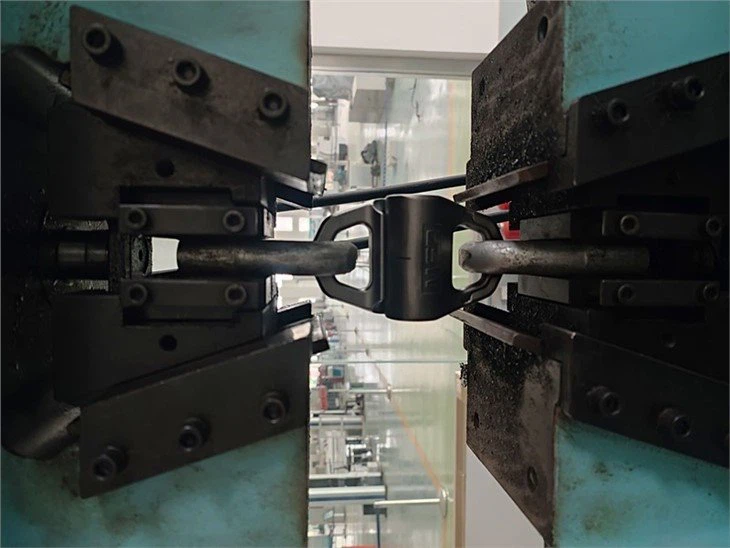

In addition to testing, many heat treatment suppliers also seek certification. Certification shows that a company has met certain quality management standards. For example, ISO 9001 certification is a widely recognized quality management standard. Having this certification can give customers more confidence in the quality of our heat - treated products.
CNC Machining and Heat Treatment
Heat treatment often goes hand - in - hand with CNC Machining. CNC machining is used to shape the parts before or after heat treatment. Sometimes, we'll machine a part to its rough shape first and then heat - treat it to improve its properties. After heat treatment, we might do some final machining to get the part to its exact dimensions.
The standards for CNC machining also play a role in the overall quality of the heat - treated part. For example, the surface finish of a machined part can affect how it responds to heat treatment. A rough surface might lead to uneven heating and cooling, which can result in inconsistent properties. So, it's important to follow the standards for both CNC machining and heat treatment to ensure the best possible outcome.
Conclusion
In conclusion, heat treatment standards are essential in the industry. They ensure that we're producing high - quality, safe, and reliable products. Whether it's following ASTM or ISO standards, conducting proper testing, or seeking certification, every step is important in maintaining the integrity of the heat treatment process.
If you're in the market for heat - treated parts, you want to work with a supplier who understands and adheres to these standards. As a heat treatment supplier, I'm committed to providing the best possible products. If you have any questions or are interested in purchasing heat - treated parts, don't hesitate to reach out. Let's start a conversation about how we can meet your needs.
References
- American Society for Testing and Materials (ASTM) standards
- International Organization for Standardization (ISO) standards
- Industry textbooks on heat treatment and materials science