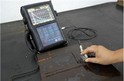

Safety precautions during dimension inspection are of paramount importance to ensure the well - being of inspectors and the accuracy of the inspection results. As a Dimension Inspection supplier, I understand the significance of these precautions and would like to share some key aspects in this blog.
Personal Protective Equipment (PPE)
One of the fundamental safety measures during dimension inspection is the proper use of personal protective equipment. Inspectors should always wear safety glasses. When dealing with various objects during dimension inspection, there is a risk of small particles or debris flying into the eyes. For example, when measuring parts that have been machined, tiny metal shavings might be present. Safety glasses act as a barrier, protecting the eyes from such hazards. You can refer to industry standards on PPE for more detailed information about the required specifications of safety glasses for different inspection environments.
Gloves are also essential. Depending on the nature of the objects being inspected, different types of gloves are needed. If the parts are sharp - edged, cut - resistant gloves should be worn to prevent cuts and lacerations. When handling parts that may be contaminated with chemicals or oils, chemical - resistant gloves are necessary. For instance, in the inspection of engine components that may have been exposed to lubricants, chemical - resistant gloves protect the hands from skin irritation and potential chemical absorption.
In some cases, ear protection may be required. If the inspection is carried out in a noisy environment, such as near a manufacturing line with loud machinery, earplugs or earmuffs can help prevent hearing damage. Prolonged exposure to high - decibel noise can lead to permanent hearing loss, so it is crucial to assess the noise level of the inspection area and provide appropriate ear protection accordingly.
Equipment Safety
The inspection equipment itself needs to be maintained and used safely. Before starting any dimension inspection, inspectors should thoroughly check the equipment for any signs of damage or malfunction. For example, if using a caliper, check the jaws for smooth movement and accurate measurement markings. A damaged caliper can not only give inaccurate measurement results but also pose a safety risk. If the jaws are loose, they may suddenly close on the inspector's fingers.
When using electronic measuring devices, such as coordinate measuring machines (CMMs), proper grounding is essential. Electrical malfunctions can lead to electric shocks. Make sure that the power cords are in good condition, without any frayed wires. Also, follow the manufacturer's instructions for operating the equipment. CMMs are complex machines, and improper operation can not only damage the machine but also endanger the operator. For example, incorrect programming of the machine's movement can cause it to collide with the part being inspected or other objects in the vicinity.
Regular calibration of the inspection equipment is also a safety - related aspect. Inaccurate equipment can lead to incorrect measurement results, which may have implications for the quality and safety of the final product. For example, if a part is supposed to have a specific dimension for a proper fit in an assembly, an inaccurate measurement can result in a faulty assembly that may fail during operation, potentially causing harm to users. You can learn more about the importance of calibration and proper equipment maintenance on our Dimension Inspection page.


Workspace Safety
The inspection workspace should be well - organized and free from hazards. Keep the work area clean and tidy. Remove any unnecessary tools, parts, or debris that could cause tripping or falling. For example, if there are loose bolts or small parts lying on the floor, they can easily be stepped on, leading to a fall and possible injury.
Ensure proper lighting in the workspace. Good lighting is essential for accurate dimension inspection. Insufficient lighting can make it difficult to read measurement markings on the equipment or to see the details of the part being inspected. This can lead to measurement errors and also increase the risk of accidents. For example, in a dimly lit area, an inspector may accidentally bump into equipment or other objects.
Ventilation is another important factor, especially when conducting inspections that involve chemicals. For example, in some cases, parts may need to be cleaned with solvents before inspection. These solvents can release harmful fumes. Adequate ventilation helps to remove these fumes from the workspace, protecting the inspector's respiratory system.
Chemical Safety
In some dimension inspection processes, chemicals may be involved. For example, Chemical Composition Analysis (Spectrum Analysis) may require the use of certain reagents. When handling chemicals, it is crucial to follow proper safety procedures.
Read and understand the safety data sheets (SDS) for all chemicals used. The SDS provides information about the chemical's properties, hazards, and safety precautions. For example, it will indicate if the chemical is flammable, corrosive, or toxic.
Store chemicals properly. Keep them in designated storage areas, away from heat sources, open flames, and incompatible substances. For example, acids and bases should be stored separately to prevent dangerous chemical reactions.
When using chemicals, wear appropriate PPE, such as chemical - resistant gloves, goggles, and lab coats. In case of a chemical spill, have a spill - response plan in place. This may include having absorbent materials and neutralizing agents on hand to quickly clean up the spill and prevent further hazards.
Training and Communication
All inspectors should receive proper training on safety procedures before starting dimension inspection work. The training should cover the use of PPE, equipment operation, workspace safety, and chemical handling. Regular refresher courses should also be provided to keep the inspectors updated on the latest safety practices.
Communication is also vital in the workplace. Inspectors should be able to communicate any safety concerns or issues promptly. For example, if an inspector notices a potential hazard in the workspace, such as a damaged piece of equipment or a spill, they should be able to report it immediately so that appropriate action can be taken.
Risk Assessment
Conducting regular risk assessments is an important part of safety management during dimension inspection. Identify potential hazards in the inspection process, such as the use of sharp tools, electrical equipment, or chemicals. Evaluate the likelihood and severity of these hazards. Based on the risk assessment, implement appropriate control measures to reduce the risk.
For example, if the risk assessment shows that there is a high risk of an inspector being exposed to a particular chemical during a certain inspection process, additional safety measures such as using a fume hood or providing more comprehensive PPE can be implemented.
In conclusion, safety precautions during dimension inspection are multi - faceted and crucial for the well - being of inspectors and the quality of the inspection results. As a Dimension Inspection supplier, we are committed to providing high - quality inspection services while ensuring the safety of our inspectors. If you are interested in our Dimension Inspection services or have any questions about safety in the inspection process, we encourage you to contact us for a procurement discussion. We are ready to work with you to meet your inspection needs and ensure the highest level of safety and quality.
References
- Occupational Safety and Health Administration (OSHA) guidelines on workplace safety.
- Manufacturer's manuals for inspection equipment.
- Industry standards for dimension inspection and safety in manufacturing.