
Hey there! If you're in the electronics industry, you know how crucial quality control is for electronic products. As a Quality Control (QC) supplier, I've had my fair share of experiences and insights into the methods that keep those gadgets up to par. In this blog, I'm gonna walk you through some of the top-notch quality control methods that we use to ensure the reliability and functionality of electronic products.
Visual Inspection
Let's start with the basics - visual inspection. It might sound simple, but it's actually a super important part of the quality control process. In this method, inspectors use their eyes (and sometimes magnifying tools) to look for any obvious defects like scratches, cracks, misalignments, or missing components on the electronic products.


This step usually happens at various stages of production, from the raw materials to the finished goods. For example, when we're checking printed circuit boards (PCBs), we look for things like soldering issues, such as cold solder joints or solder bridges. These problems can cause short circuits or other performance issues in the final product.
Visual inspection is cost - effective and can be done quickly. However, it does have its limitations. Some defects might be too small to detect with the naked eye, especially in the case of micro - components used in modern electronics. That's where other methods come in handy.
Electrical Testing
Electrical testing is another key method in quality control for electronic products. This involves checking the electrical properties of the product to make sure it functions as intended. There are several types of electrical tests, and here are a few common ones:
Continuity Testing
This test is used to check if there is a continuous path for the electrical current to flow in a circuit. We use a multimeter to measure the resistance between two points in the circuit. If the resistance is very low (close to zero), it means there is continuity. A high resistance or an open circuit indicates a problem, such as a broken wire or a poor connection.
Function Testing
Function testing is all about making sure the product performs its intended functions correctly. For example, if it's a smartphone, we'll test features like the camera, touch screen, Wi - Fi connectivity, and call quality. We use specialized test equipment and software to simulate real - world usage scenarios and check if the product responds as expected.
Power Consumption Testing
With the increasing focus on energy efficiency, power consumption testing has become more important than ever. We measure how much power the electronic product consumes under different operating conditions. This helps us identify any power - hungry components or inefficiencies in the design.
Nondestructive Testing (NDT)
Nondestructive testing methods are great because they allow us to inspect the internal structure of electronic products without damaging them. Two popular NDT methods in the electronics industry are:
Ultrasonic Flaw Detection
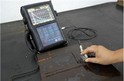
Ultrasonic flaw detection uses high - frequency sound waves to detect internal defects in materials. In electronic products, it can be used to check for things like delamination in PCBs or cracks inside components. The sound waves are sent into the product, and any reflections or echoes are analyzed to identify the presence and location of defects. This method is very sensitive and can detect even small internal flaws.
X Ray Inspection
X ray inspection is another powerful NDT method. It allows us to see the internal structure of electronic products in detail. We can use it to check for proper component placement, solder joint quality inside packages, and the presence of any hidden defects. X ray machines can generate high - resolution images that help us identify issues that might not be visible through other inspection methods.
Chemical Composition Analysis
The chemical composition of the materials used in electronic products can have a significant impact on their performance and reliability. That's why Chemical Composition Analysis (Spectrum Analysis) is an important quality control method.
This method involves analyzing the chemical elements present in the materials. For example, in the case of metal components, we need to make sure the correct alloy composition is used. Incorrect chemical composition can lead to problems like corrosion, reduced mechanical strength, or poor electrical conductivity.
There are different techniques for chemical composition analysis, such as spectroscopy. Spectroscopy measures the interaction of light with the material to determine its chemical composition. By knowing the exact chemical makeup of the materials, we can ensure that they meet the required specifications for the electronic products.
Environmental Testing
Electronic products are used in a wide range of environments, from hot and humid tropical regions to cold and dry polar areas. That's why environmental testing is crucial to make sure the products can withstand different conditions.
Temperature Testing
We subject the electronic products to different temperature ranges to see how they perform. This includes testing at high temperatures (e.g., 60°C or more) to check for overheating issues and at low temperatures (e.g., - 20°C or less) to see if the product can still function properly. Temperature cycling tests are also common, where the product is repeatedly exposed to alternating high and low temperatures to simulate real - world usage.
Humidity Testing
High humidity can cause corrosion, short circuits, and other problems in electronic products. In humidity testing, we place the products in a controlled environment with a specific level of humidity and monitor their performance over time. This helps us identify any potential issues related to moisture ingress.
Vibration and Shock Testing
Electronic products can be subjected to vibrations and shocks during transportation and normal use. Vibration testing involves placing the product on a vibrating platform and subjecting it to different frequencies and amplitudes. Shock testing, on the other hand, simulates sudden impacts. These tests help us ensure that the product's internal components are securely attached and can withstand mechanical stress.
Statistical Process Control (SPC)
Statistical Process Control is a method that uses statistical techniques to monitor and control the production process. By collecting and analyzing data on various quality characteristics of the electronic products, we can identify trends and variations in the process.
For example, we might measure the dimensions of a component or the electrical parameters of a circuit at regular intervals during production. If we notice any significant deviations from the expected values, we can take corrective action immediately. This helps us prevent the production of defective products and improve the overall quality and efficiency of the manufacturing process.
Why Choose Our QC Services?
As a Quality Control supplier, we've got a team of experienced inspectors and technicians who are well - versed in all these quality control methods. We use state - of - the - art equipment and follow strict quality control procedures to ensure that every electronic product we inspect meets the highest standards.
Whether you're a small - scale electronics manufacturer or a large - scale producer, our services can help you save time and money by catching defects early in the production process. We offer customized quality control solutions based on your specific requirements, so you can get exactly what you need.
If you're interested in improving the quality of your electronic products and want to work with a reliable QC supplier, don't hesitate to reach out. We're here to help you take your products to the next level.
References
- "Quality Control in Electronics Manufacturing" - A textbook on quality control methods in the electronics industry.
- Industry reports on the latest trends in electronic product quality control.