
Hey there! I'm a supplier in the quality control game, and today I wanna chat about the quality control issues in the fishing industry. It's a sector that's super important, not just for feeding the world but also for the livelihoods of millions of people. But like any industry, it's got its fair share of quality - related headaches.
Let's start with the catch itself. One of the most fundamental issues is freshness. Fish are highly perishable, and once they're out of the water, time starts ticking. If proper handling procedures aren't followed right from the moment of catch, the quality can degrade rapidly. For example, fish that aren't chilled quickly enough can develop off - flavors and become more susceptible to spoilage. This can happen if the fishing vessels don't have adequate refrigeration systems or if there are delays in getting the catch to shore.
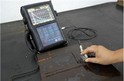
Another biggie is the issue of size and weight. Consumers and buyers often have specific requirements when it comes to the size of the fish they purchase. Whether it's for a restaurant that wants a certain size for their signature dish or a retailer aiming to meet customer expectations, inconsistent sizing can be a real problem. This is where Dimension Inspection comes into play. By using precise measurement tools and techniques, we can ensure that the fish meet the specified size criteria. Without proper dimension inspection, there can be a lot of waste, as fish that are too small or too large might not be marketable.
Contamination is also a major concern in the fishing industry. There are various types of contaminants that can find their way into fish. Chemical contaminants, such as heavy metals like mercury, lead, and cadmium, can accumulate in fish over time. These metals are often present in the water due to industrial pollution, mining activities, or agricultural runoff. Chemical Composition Analysis (Spectrum Analysis) is crucial here. It allows us to detect the presence and quantity of these contaminants. If fish are found to have high levels of contaminants, they can't be sold for human consumption, which is not only a loss for the fishermen but also a potential health risk for consumers if the fish were to slip through the cracks.


Biological contaminants are another threat. Bacteria, viruses, and parasites can infect fish. For instance, Vibrio bacteria are commonly found in seawater, and certain species can cause food - borne illnesses in humans. Parasites like tapeworms can also be present in fish, especially if they're caught in areas with poor water quality. To prevent these biological contaminants from reaching the market, strict hygiene and sanitation practices need to be in place at every stage of the fishing and processing chain. This includes proper cleaning of fishing equipment, storage facilities, and processing plants.
Then there's the matter of fishing methods. Some fishing methods can cause physical damage to the fish. For example, trawling, which involves dragging a large net along the seabed, can result in bruises, cuts, and broken bones in the fish. This not only affects the appearance of the fish but also its shelf - life. Damaged fish are more likely to spoil faster because the protective outer layer is compromised. As a quality control supplier, we need to assess the fishing methods used and make sure that they're not causing unnecessary harm to the catch.
In addition to the quality of the fish themselves, the packaging also plays a vital role in quality control. Improper packaging can lead to problems such as dehydration, freezer burn, and exposure to air, which can all affect the quality of the fish during storage and transportation. The packaging materials need to be of high - quality, air - tight, and able to withstand the rigors of the supply chain. For example, if the packaging is not properly sealed, moisture can escape, leading to freezer burn in frozen fish.
Now, let's talk about certification and standards. There are various international and national standards in place for the fishing industry, such as the Marine Stewardship Council (MSC) certification. These standards are designed to ensure sustainable fishing practices and high - quality products. However, getting and maintaining these certifications can be a challenge for many fishermen and fishing companies. They require strict compliance with a set of rules, which includes everything from the fishing methods used to the handling and processing of the catch. As a quality control supplier, we can help fishing businesses meet these standards by providing guidance, conducting audits, and implementing quality control measures.
Traceability is another key aspect of quality control in the fishing industry. Consumers are becoming more and more concerned about where their food comes from. They want to know if the fish they're buying was caught sustainably, if it's free from contaminants, and how it was handled. A good traceability system allows us to track the fish from the moment of catch all the way to the consumer. This not only helps in ensuring quality but also in case of a recall. If there's a problem with a batch of fish, we can quickly identify where it came from, who handled it, and who it was sold to.
When it comes to quality control in the fishing industry, it's not just about the end - product. It's a holistic approach that starts with the fishing environment and continues through every step of the supply chain. As a quality control supplier, I've seen firsthand how these issues can impact the industry. And I believe that by working together with fishermen, processors, and retailers, we can overcome these challenges.
If you're in the fishing industry and are struggling with quality control issues, or if you're looking to improve the quality of your products and meet industry standards, don't hesitate to reach out. We can have a chat about how we can tailor our quality control services to your specific needs. Whether it's dimension inspection, chemical composition analysis, or implementing a traceability system, we've got the expertise and the tools to help. So, let's start a conversation and take your fishing business to the next level in terms of quality!
References
- Marine Stewardship Council official documentation
- Research papers on contaminants in fish
- Industry reports on fishing methods and their impact on fish quality