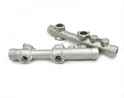

Hey there! As a supplier of gray iron casting, I've been in the game for quite some time, and I know firsthand how crucial it is to keep your gray iron casting equipment in top - notch condition. In this blog, I'm gonna share with you all the maintenance requirements for gray iron casting equipment.
Regular Cleaning
First off, regular cleaning is a must. Gray iron casting involves dealing with molten metal, sand, and various other substances. Over time, these materials can build up on the equipment, causing all sorts of problems. For example, if the sand isn't cleaned off properly from the molds, it can affect the quality of the castings. It might lead to rough surfaces or even internal defects in the final product.
You should clean the equipment after each use or at least on a daily basis if you're running multiple shifts. Use appropriate cleaning tools like brushes and compressed air to remove loose debris. For more stubborn residues, you might need to use some mild solvents, but make sure they're compatible with the equipment's materials.


Lubrication
Lubrication is another key aspect of maintenance. Many parts of the gray iron casting equipment, such as the moving parts in the molding machines and the conveyors, rely on proper lubrication to function smoothly. Without enough lubrication, these parts can experience excessive wear and tear, leading to breakdowns and costly repairs.
You need to use the right type of lubricant for each component. Check the manufacturer's recommendations for the specific lubricants to use. Some parts might require high - temperature lubricants because of the heat generated during the casting process. And don't forget to follow a regular lubrication schedule. You can't just apply the lubricant once and expect it to last forever.
Inspection of Electrical Systems
Most modern gray iron casting equipment is powered by electricity. So, it's essential to regularly inspect the electrical systems. Look for any signs of frayed wires, loose connections, or overheating components. These issues can not only cause the equipment to malfunction but also pose a serious safety hazard.
You should have a qualified electrician perform a thorough inspection at least once a year. They can use specialized tools to test the electrical circuits and make sure everything is in working order. In addition, you can do some basic visual inspections yourself on a more frequent basis, like checking for any obvious signs of damage or wear.
Monitoring of Temperature and Pressure
During the gray iron casting process, temperature and pressure play a crucial role. You need to monitor these parameters closely to ensure the equipment is operating within the safe and optimal range. For example, if the temperature of the molten iron is too high or too low, it can affect the quality of the castings. Similarly, incorrect pressure in the molding process can lead to defects.
Install temperature and pressure sensors on the relevant parts of the equipment. These sensors can provide real - time data, allowing you to make adjustments as needed. You can also set up alarms so that you're notified immediately if the temperature or pressure goes out of the acceptable range.
Mold Maintenance
The molds are one of the most important parts of the gray iron casting equipment. They need special attention. After each use, the molds should be inspected for any signs of damage, such as cracks or wear. Minor damages can often be repaired, but if the damage is too severe, you might need to replace the mold.
Clean the molds thoroughly to remove any residual iron or sand. You can use sandblasting or chemical cleaning methods, depending on the type of mold and the nature of the residue. Also, make sure to store the molds properly when they're not in use to prevent rust and other forms of damage.
Calibration of Equipment
To ensure accurate and consistent casting results, you need to calibrate the equipment regularly. This includes calibrating the measuring instruments, such as thermometers and pressure gauges, as well as the control systems of the molding machines.
Calibration should be done according to the manufacturer's specifications. You can either have an in - house calibration team or hire an external calibration service. Incorrect calibration can lead to variations in the casting dimensions and quality, which can be a big problem for your customers.
Training of Operators
Last but not least, proper training of operators is essential for the maintenance of gray iron casting equipment. Operators should know how to use the equipment correctly, follow the safety procedures, and perform basic maintenance tasks.
Provide regular training sessions for your operators. Update them on the latest maintenance techniques and any changes in the equipment's operation. A well - trained operator can not only prevent many equipment - related problems but also detect early signs of issues and report them promptly.
Now, if you're in the market for high - quality gray iron casting products, we've got you covered. We also offer other types of casting products like High Chromium Iron Casting, Ductile Iron Casting, and High Manganese Steel Casting.
If you're interested in our products or have any questions about gray iron casting equipment maintenance, feel free to reach out to us. We're always happy to have a chat and discuss your specific needs. Whether you're a small - scale business or a large - scale manufacturer, we can provide you with the right solutions.
References
- "Foundry Technology Handbook" - A comprehensive guide on foundry operations and equipment maintenance.
- Manufacturer's manuals for gray iron casting equipment, which provide detailed maintenance instructions.