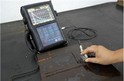

Hey there! As a supplier of Magnetic Powder Inspection (MPI) services, I've seen firsthand how crucial it is to detect small defects accurately. MPI is a widely used non-destructive testing method, but detecting those tiny flaws can be a real challenge. In this blog, I'll break down the factors that affect the detectability of small defects in MPI.
1. Surface Condition of the Test Object
The surface condition of the object being inspected plays a huge role. If the surface is rough, pitted, or contaminated, it can make it super hard to spot small defects. Rust, scale, paint, or dirt on the surface can interfere with the magnetic field and the way the magnetic particles adhere.
For example, if you're inspecting an old metal part that's been sitting outside for a while, the rust on it can create false indications. These false indications look like defects but are actually just the result of the rough, rusty surface. To get accurate results, we usually have to clean the surface thoroughly before starting the MPI process. We might use methods like sandblasting, grinding, or chemical cleaning to make the surface smooth and free of contaminants.
2. Magnetic Field Strength
The strength of the magnetic field is another key factor. If the magnetic field is too weak, it won't be able to attract the magnetic particles to the small defects effectively. On the other hand, if it's too strong, it can cause over - saturation, where the magnetic particles clump together and make it difficult to distinguish real defects from false signals.
We need to adjust the magnetic field strength based on the size and shape of the test object, as well as the type of defect we're looking for. For small defects, we often need a relatively high - strength magnetic field, but we have to be careful not to overdo it. Specialized equipment is used to measure and control the magnetic field strength during the inspection process.
3. Particle Characteristics
The magnetic particles used in MPI also matter a lot. Their size, shape, and magnetic properties can affect how well they detect small defects. Smaller particles are generally better at detecting smaller defects because they can more easily fit into tight spaces.
The shape of the particles is also important. Spherical particles tend to move more freely and can provide better coverage, while irregularly shaped particles might have better adhesion to the defect areas. The magnetic properties of the particles determine how strongly they are attracted to the magnetic field created by the defect. High - quality magnetic particles with the right characteristics are essential for accurate defect detection.
4. Defect Orientation
The orientation of the defect relative to the magnetic field direction can have a big impact on its detectability. If the defect is perpendicular to the magnetic field lines, it will produce a stronger magnetic leakage field, making it easier to detect. However, if the defect is parallel to the magnetic field lines, the magnetic leakage field will be much weaker, and it might be missed.


To overcome this issue, we often need to apply the magnetic field in multiple directions. This way, we increase the chances of detecting defects regardless of their orientation. For example, we might use a multi - directional magnetic yoke to create magnetic fields in different directions simultaneously or sequentially.
5. Inspection Environment
The environment in which the MPI is carried out can also affect the detectability of small defects. Factors like temperature, humidity, and air movement can all play a role. High humidity can cause the magnetic particles to clump together, reducing their effectiveness. Extreme temperatures can also affect the magnetic properties of the test object and the magnetic particles.
Air movement can blow the magnetic particles away from the defect areas, making it difficult to see the indications. That's why we usually try to perform MPI in a controlled environment, such as a laboratory or a dedicated inspection room, where we can minimize the impact of these environmental factors.
6. Operator Skill and Experience
Last but not least, the skill and experience of the operator are crucial. An experienced operator knows how to properly set up the MPI equipment, adjust the magnetic field strength, and interpret the results. They can recognize false indications and distinguish them from real defects.
Training and certification are important for MPI operators. They need to be familiar with the standards and procedures for MPI, as well as the characteristics of different types of defects. Regular practice and continuous learning are also essential to keep up with the latest techniques and technologies in MPI.
Comparison with Other Non - Destructive Testing Methods
It's also worth comparing MPI with other non - destructive testing methods like X Ray Inspection, Dye Penetrant Inspection, and Ultrasonic Flaw Detection. Each method has its own advantages and disadvantages.
X - ray inspection can detect internal defects that might not be visible on the surface, but it requires expensive equipment and special safety precautions. Dye penetrant inspection is good for detecting surface - opening defects, but it might not be as effective for small, tight - fitting defects. Ultrasonic flaw detection can detect internal and surface defects, but it requires a skilled operator to interpret the results accurately.
MPI is particularly useful for detecting surface and near - surface defects in ferromagnetic materials. It's relatively quick and cost - effective compared to some other methods, but as we've seen, there are many factors that can affect its ability to detect small defects.
Conclusion
In conclusion, detecting small defects in Magnetic Powder Inspection is a complex process that is affected by multiple factors. Surface condition, magnetic field strength, particle characteristics, defect orientation, inspection environment, and operator skill all play important roles. By understanding these factors and taking appropriate measures to control them, we can improve the detectability of small defects and ensure the quality and safety of the inspected objects.
If you're in need of high - quality Magnetic Powder Inspection services or have any questions about defect detection, don't hesitate to reach out. We're here to help you ensure the integrity of your products through accurate and reliable MPI. Let's start a conversation about your specific needs and how we can work together to achieve the best results.
References
- ASNT (American Society for Nondestructive Testing) standards on Magnetic Powder Inspection.
- NDT Handbook, Volume 4: Magnetic Particle Testing.