
Hey there! As a supplier of Nondestructive Inspection (NDI) services, I've seen firsthand how crucial the right environmental conditions are for accurate and reliable inspections. In this blog, I'll share some insights into what those ideal conditions are and why they matter so much.
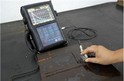
Let's start by understanding what Nondestructive Inspection is all about. NDI is a set of techniques used to evaluate the properties of a material, component, or system without causing any damage. It's like peeking under the hood without taking everything apart. There are various methods of NDI, such as X Ray Inspection, Ultrasonic Flaw Detection, and Magnetic Powder Inspection. Each method has its own requirements when it comes to environmental conditions.
Temperature
Temperature plays a huge role in NDI. Most NDI equipment is designed to work within a specific temperature range. Extreme temperatures can affect the performance of the equipment and the accuracy of the inspection results.
For example, in X Ray Inspection, high temperatures can cause the X-ray tube to overheat, leading to a decrease in the quality of the X-ray images. On the other hand, very low temperatures can make the electronic components of the equipment less responsive, resulting in inaccurate readings.
In Ultrasonic Flaw Detection, temperature changes can affect the speed of sound in the material being inspected. Since ultrasonic testing relies on measuring the time it takes for sound waves to travel through the material, any change in the speed of sound can lead to incorrect flaw sizing and location.
As a general rule, it's best to keep the inspection environment at a moderate temperature, typically between 10°C and 35°C (50°F and 95°F). If the temperature is outside this range, special precautions may need to be taken, such as using temperature compensation techniques or allowing the equipment to acclimate to the environment before starting the inspection.
Humidity
Humidity is another important factor. High humidity can cause moisture to accumulate on the surface of the equipment and the material being inspected. This can lead to corrosion, electrical shorts, and other problems that can affect the performance of the NDI equipment.
In Magnetic Powder Inspection, moisture can interfere with the magnetic field and the movement of the magnetic particles, making it difficult to detect flaws accurately. In Ultrasonic Flaw Detection, moisture on the surface of the material can cause the ultrasonic couplant to break down, reducing the effectiveness of the inspection.
Ideally, the relative humidity in the inspection area should be kept below 60%. If the humidity is higher, dehumidifiers can be used to reduce the moisture content in the air. It's also important to keep the equipment and the inspection area clean and dry to prevent moisture from causing problems.
Lighting
Good lighting is essential for NDI, especially for visual inspection methods. Adequate lighting allows the inspector to clearly see the surface of the material and any flaws or defects that may be present.
In Visual Inspection, which is often used in conjunction with other NDI methods, the lighting should be bright enough to reveal any surface irregularities, cracks, or discolorations. The lighting should also be uniform to avoid shadows that could hide flaws.
For inspections in dark or confined spaces, portable lighting equipment may be required. LED lights are a popular choice because they are energy-efficient, long-lasting, and provide a bright, white light.
Vibration and Noise
Vibration and noise can also have a negative impact on NDI. In Ultrasonic Flaw Detection, vibration can cause the ultrasonic transducer to move, resulting in inaccurate readings. Noise can interfere with the ultrasonic signals, making it difficult to distinguish between the flaw signals and the background noise.
In X Ray Inspection, vibration can cause the X-ray source or the detector to move, leading to blurry images. Noise can also affect the quality of the X-ray images by introducing artifacts.
To minimize the effects of vibration and noise, the inspection area should be located away from sources of vibration, such as heavy machinery or traffic. If necessary, vibration isolation pads can be used to reduce the vibration transmitted to the NDI equipment. Noise-canceling headphones or earplugs can be worn by the inspector to reduce the impact of noise.
Dust and Contamination
Dust and other contaminants can affect the performance of NDI equipment and the accuracy of the inspection results. In X Ray Inspection, dust on the X-ray detector can cause artifacts in the images, making it difficult to interpret the results. In Magnetic Powder Inspection, contaminants on the surface of the material can interfere with the magnetic field and the movement of the magnetic particles.
To prevent dust and contamination, the inspection area should be kept clean. Regular cleaning of the equipment and the inspection area can help remove dust and other contaminants. In some cases, it may be necessary to use air filters or clean rooms to ensure a clean inspection environment.
Conclusion
As you can see, the environmental conditions are crucial for successful Nondestructive Inspection. By maintaining the right temperature, humidity, lighting, and minimizing vibration, noise, dust, and contamination, you can ensure that your NDI equipment performs at its best and that the inspection results are accurate and reliable.
If you're in need of Nondestructive Inspection services or have any questions about the environmental conditions for NDI, don't hesitate to reach out. We're here to help you ensure the quality and safety of your products through the best NDI practices.


References
- ASNT (American Society for Nondestructive Testing). "Nondestructive Testing Handbook."
- ASTM International. Various standards related to Nondestructive Inspection.