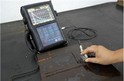

Yo, folks! As a supplier of Magnetic Powder Inspection (MPI) solutions, I've seen firsthand how this technology is a game - changer in the aerospace industry. Let's dive into all the cool applications of MPI in this high - stakes field.
First off, what is Magnetic Powder Inspection? Well, it's a non - destructive testing method used to detect surface and near - surface discontinuities in ferromagnetic materials. When you apply a magnetic field to a ferromagnetic part and sprinkle magnetic powder on it, the powder accumulates at the locations of defects, making them visible to the naked eye. You can learn more about it here: Magnetic Powder Inspection.
1. Inspection of Engine Components
The aerospace engine is the heart of an aircraft, and any defect in its components can have catastrophic consequences. MPI plays a crucial role in ensuring the safety and reliability of these parts.
Turbine Blades
Turbine blades are subjected to extreme temperatures, high pressures, and rotational forces. Over time, cracks can develop on their surfaces due to fatigue, thermal stress, or foreign object damage. MPI can quickly and effectively detect these cracks, even the tiny ones that might not be visible otherwise. By identifying these defects early, airlines and engine manufacturers can prevent blade failure, which could lead to engine shutdown or even an in - flight emergency.
Shafts and Bearings
Engine shafts and bearings are responsible for transmitting power and supporting rotating components. Any crack or flaw in these parts can cause vibrations, misalignment, and ultimately, mechanical failure. MPI can be used during the manufacturing process to inspect new shafts and bearings for defects. It can also be used during maintenance checks to detect any cracks that may have developed over time.
2. Inspection of Structural Components
The structural integrity of an aircraft is essential for its safe operation. MPI is widely used to inspect various structural components to ensure they are free from defects.
Landing Gear
The landing gear is one of the most critical structural components of an aircraft. It has to withstand the full weight of the aircraft during takeoff, landing, and taxiing. MPI can be used to inspect the landing gear's main struts, axles, and other load - bearing parts for cracks and other surface defects. By regularly inspecting the landing gear with MPI, airlines can ensure that it is in good condition and reduce the risk of landing gear failure.
Fuselage Frames and Stringers
The fuselage frames and stringers provide the structural support for the aircraft's skin. Any defect in these components can compromise the overall strength of the fuselage. MPI can be used to inspect these parts during manufacturing and maintenance. It can detect cracks caused by stress concentration, corrosion, or impact damage. Identifying these defects early can help prevent structural failure and ensure the safety of the aircraft and its passengers.
3. Comparison with Other Non - Destructive Testing Methods
While MPI is a powerful non - destructive testing method, it's not the only one available. Let's compare it with a couple of other popular methods: Ultrasonic Flaw Detection and X Ray Inspection.


Ultrasonic Flaw Detection
Ultrasonic Flaw Detection (Ultrasonic Flaw Detection) uses high - frequency sound waves to detect internal defects in materials. It's great for detecting flaws deep inside a part. However, it may not be as effective as MPI for detecting surface and near - surface defects. MPI, on the other hand, is very sensitive to surface cracks and can provide a quick and easy visual indication of the defect's location.
X Ray Inspection
X Ray Inspection (X Ray Inspection) uses X - rays to create an image of the internal structure of a part. It can detect both surface and internal defects. But X - ray equipment is often more expensive and requires more safety precautions than MPI equipment. MPI is a more cost - effective and less complex option for inspecting ferromagnetic materials for surface and near - surface defects.
4. Benefits of Using Our MPI Solutions in the Aerospace Industry
As a supplier of MPI solutions, we offer several benefits to our customers in the aerospace industry.
High - Quality Equipment
We provide state - of the - art MPI equipment that is designed to meet the high standards of the aerospace industry. Our equipment is highly sensitive, reliable, and easy to use. It can detect even the smallest surface and near - surface defects in ferromagnetic materials.
Expert Support
Our team of experts has extensive experience in the aerospace industry and in using MPI technology. We can provide technical support, training, and advice to our customers. Whether you're a small maintenance shop or a large aircraft manufacturer, we can help you get the most out of our MPI solutions.
Customized Solutions
We understand that every customer has different needs. That's why we offer customized MPI solutions to meet your specific requirements. We can tailor our equipment, processes, and services to fit your inspection needs, whether you're inspecting small components or large structural parts.
5. Encouraging Contact for Procurement
If you're in the aerospace industry and are looking for a reliable and cost - effective way to inspect your ferromagnetic components, then our Magnetic Powder Inspection solutions are the way to go. We've got the experience, the equipment, and the expertise to help you ensure the safety and reliability of your aircraft.
Don't hesitate to reach out to us for more information or to discuss your procurement needs. We're always happy to have a chat and see how we can work together to keep your aircraft flying safely.
References
- ASNT (American Society for Nondestructive Testing). "Magnetic Particle Testing Handbook."
- Aerospace Industries Association. "Best Practices for Non - Destructive Testing in Aerospace."
- Boeing. "Aircraft Maintenance and Inspection Manual."