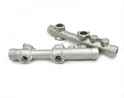

As a seasoned supplier of Gray Iron Casting, I've witnessed firsthand the challenges and intricacies involved in producing high-quality castings. Defects in gray iron casting can lead to significant losses in terms of time, resources, and reputation. In this blog, I'll share some practical strategies and best practices on how to prevent defects in gray iron casting, drawing from my years of experience in the industry.
Understanding Gray Iron Casting
Before delving into defect prevention, it's essential to understand the basics of gray iron casting. Gray iron is a type of cast iron that contains graphite flakes, which give it its characteristic gray color. It is known for its excellent castability, good machinability, and high damping capacity, making it a popular choice for a wide range of applications, including automotive parts, machinery components, and pipes.
The casting process involves melting iron in a furnace and pouring it into a mold cavity. Once the iron solidifies, the mold is removed, and the casting is finished through various machining and surface treatment processes. However, several factors can affect the quality of the casting, leading to defects such as porosity, shrinkage, cracks, and inclusions.
Common Defects in Gray Iron Casting and Their Causes
Porosity
Porosity is one of the most common defects in gray iron casting, characterized by small holes or voids in the casting. It can be caused by several factors, including gas entrapment during the pouring process, improper gating and risering design, and excessive moisture in the mold or core. Gas entrapment can occur when the molten iron contains dissolved gases, such as hydrogen or nitrogen, which are released during solidification. Improper gating and risering design can prevent the gases from escaping, leading to porosity. Excessive moisture in the mold or core can also cause steam to form, which can become trapped in the casting and create porosity.
Shrinkage
Shrinkage is another common defect in gray iron casting, which occurs when the molten iron contracts as it solidifies. It can result in cavities or depressions in the casting, especially in areas where the metal is thickest. Shrinkage can be caused by improper gating and risering design, insufficient feeding of the molten iron, and high pouring temperatures. Improper gating and risering design can prevent the molten iron from flowing evenly into the mold cavity, leading to shrinkage. Insufficient feeding of the molten iron can also cause shrinkage, as the metal may not have enough time to fill the mold cavity before it solidifies. High pouring temperatures can increase the amount of shrinkage, as the molten iron will contract more as it cools.
Cracks
Cracks can occur in gray iron casting due to several factors, including thermal stress, mechanical stress, and improper heat treatment. Thermal stress can occur when the casting cools unevenly, causing the metal to expand and contract at different rates. Mechanical stress can be caused by excessive handling or machining of the casting, which can create stress concentrations and lead to cracking. Improper heat treatment can also cause cracks, as the casting may not be cooled or heated at the correct rate, leading to internal stresses.
Inclusions
Inclusions are foreign materials that are trapped in the casting during the pouring process. They can be caused by several factors, including dirty or contaminated molten iron, improper melting practices, and poor mold and core quality. Dirty or contaminated molten iron can contain impurities, such as sand, slag, or oxides, which can become trapped in the casting. Improper melting practices, such as overheating the iron or using low-quality scrap, can also increase the likelihood of inclusions. Poor mold and core quality can also cause inclusions, as the mold or core may contain loose sand or other debris that can be washed into the casting.
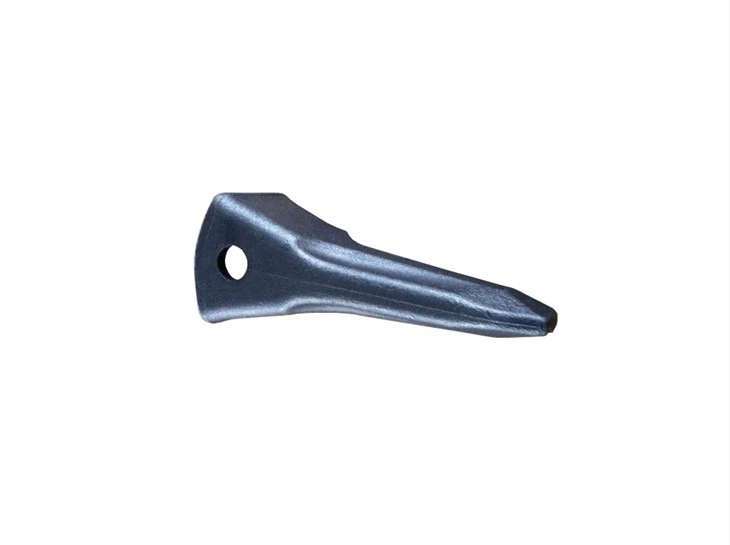

Strategies for Preventing Defects in Gray Iron Casting
Quality Control of Raw Materials
The quality of the raw materials used in gray iron casting is crucial for preventing defects. It is essential to use high-quality iron scrap and alloys, as well as clean and dry molding sand and cores. The iron scrap should be free from contaminants, such as oil, grease, and rust, and should be properly sorted and graded. The alloys should be added in the correct proportions to ensure the desired chemical composition of the molten iron. The molding sand and cores should be free from moisture and other impurities, and should be properly compacted to ensure good mold and core quality.
Proper Melting and Pouring Practices
Proper melting and pouring practices are essential for preventing defects in gray iron casting. The molten iron should be melted at the correct temperature and for the appropriate time to ensure complete melting and homogenization of the alloying elements. The pouring temperature should be carefully controlled to ensure that the molten iron flows smoothly into the mold cavity and fills it completely. The pouring speed should also be controlled to prevent gas entrapment and turbulence. It is also important to use a clean and dry ladle and pouring equipment to prevent contamination of the molten iron.
Gating and Riser Design
Gating and riser design is critical for preventing defects in gray iron casting. The gating system should be designed to ensure that the molten iron flows evenly into the mold cavity and fills it completely. The risers should be designed to provide sufficient feeding of the molten iron to compensate for shrinkage. The size, shape, and location of the gates and risers should be carefully considered to ensure optimal performance. It is also important to use a gating system that minimizes turbulence and gas entrapment.
Mold and Core Design
The mold and core design is also important for preventing defects in gray iron casting. The mold and core should be designed to provide good ventilation and to allow the gases to escape during the pouring process. The mold and core should also be designed to minimize the amount of sand and other debris that can be washed into the casting. It is important to use high-quality mold and core materials and to ensure that they are properly compacted and cured.
Heat Treatment
Heat treatment is an important step in the production of gray iron casting, as it can improve the mechanical properties of the casting and reduce the likelihood of defects. The heat treatment process should be carefully controlled to ensure that the casting is heated and cooled at the correct rate. The heat treatment temperature and time should be based on the specific requirements of the casting and the alloy composition. It is also important to use a proper quenching medium to ensure uniform cooling and to prevent cracking.
Conclusion
Preventing defects in gray iron casting requires a comprehensive approach that involves quality control of raw materials, proper melting and pouring practices, gating and riser design, mold and core design, and heat treatment. By following these strategies and best practices, you can minimize the likelihood of defects and produce high-quality gray iron castings that meet the requirements of your customers.
As a supplier of Gray Iron Casting, I am committed to providing our customers with the highest quality products and services. We have a team of experienced engineers and technicians who are dedicated to ensuring that our castings are defect-free and meet the strictest quality standards. If you are interested in purchasing Gray Iron Casting, Casting Steel Precision Parts, or High Manganese Steel Casting, please feel free to contact us to discuss your specific requirements. We look forward to working with you to provide you with the best possible solutions for your casting needs.
References
- Campbell, J. (2003). Castings. Butterworth-Heinemann.
- Flemings, M. C. (1974). Solidification Processing. McGraw-Hill.
- Kalpakjian, S., & Schmid, S. R. (2009). Manufacturing Engineering and Technology. Pearson Prentice Hall.