
Investing in the nodular iron casting industry can be a lucrative venture, offering substantial returns and long - term growth potential. As a supplier of Nodular Iron Casting, I have witnessed firsthand the industry's development and the opportunities it presents. In this blog, I will share some insights on how to invest in this industry.
Understanding the Nodular Iron Casting Industry
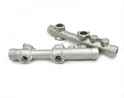
Nodular iron casting, also known as ductile iron casting, is a type of iron casting that offers high strength, excellent ductility, and good wear resistance. It is widely used in various industries such as automotive, construction, machinery, and energy. The demand for nodular iron castings is driven by the growth of these end - use industries.
The automotive industry, for example, uses nodular iron castings for engine blocks, crankshafts, and suspension components. As the global automotive market continues to expand, especially in emerging economies, the demand for high - quality nodular iron castings is expected to rise. Similarly, the construction industry relies on nodular iron castings for pipes, fittings, and structural components. With increasing urbanization and infrastructure development, the need for nodular iron castings in this sector is also growing.
Market Analysis
Before investing in the nodular iron casting industry, it is crucial to conduct a comprehensive market analysis. This includes assessing the current market size, growth rate, and future trends. You can start by looking at industry reports from reliable sources such as market research firms, government agencies, and trade associations. These reports can provide valuable information on market dynamics, including supply and demand, pricing trends, and competitive landscape.
In addition to macro - level market analysis, it is also important to understand the specific market segments that you are interested in. For instance, if you plan to target the automotive industry, you need to study the latest automotive manufacturing trends, such as the shift towards electric vehicles. Electric vehicles may have different requirements for nodular iron castings compared to traditional internal combustion engine vehicles, which could impact your investment strategy.
Competitive Landscape
The nodular iron casting industry is highly competitive, with numerous players ranging from small - scale local foundries to large multinational corporations. To succeed in this market, you need to understand your competitors' strengths and weaknesses. Look at factors such as their production capacity, product quality, pricing strategy, and customer base.
Some of the key competitive advantages in the nodular iron casting industry include advanced production technology, high - quality control systems, and strong customer relationships. For example, foundries that have invested in state - of - the - art melting and casting equipment can produce nodular iron castings with better dimensional accuracy and mechanical properties. Additionally, companies with a reputation for high - quality products and reliable delivery are more likely to attract and retain customers.
Technological Considerations
Technology plays a vital role in the nodular iron casting industry. Advancements in melting, casting, and heat treatment processes can significantly improve the quality and efficiency of production. When investing in this industry, you should consider the technological capabilities of your potential investment targets.
For example, some modern foundries use computer - controlled melting furnaces to ensure precise control of the chemical composition of the molten iron. This results in more consistent product quality. Similarly, advanced casting techniques such as shell - mold casting can produce complex - shaped nodular iron castings with high precision. You can learn more about Casting Steel Precision Parts which are often produced using similar advanced techniques.
Another important technological aspect is the use of simulation software. This software can be used to model the casting process, predict potential defects, and optimize the design of the casting. By using simulation software, foundries can reduce production costs, improve product quality, and shorten the development cycle.
Quality Control
Quality control is a critical factor in the nodular iron casting industry. Customers, especially those in industries such as automotive and aerospace, have strict quality requirements for nodular iron castings. Therefore, any investment in this industry should focus on establishing a robust quality control system.
A good quality control system should cover all aspects of the production process, from raw material inspection to final product testing. For raw materials, it is important to ensure that the iron, alloying elements, and other additives meet the required specifications. During the casting process, regular inspections should be carried out to detect any defects such as porosity, cracks, or inclusions.
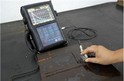
Final product testing can include non - destructive testing methods such as ultrasonic testing, magnetic particle testing, and X - ray testing, as well as mechanical testing to determine the strength, hardness, and ductility of the nodular iron castings. Companies that can demonstrate a high level of quality control are more likely to gain the trust of customers and secure long - term contracts.
Environmental and Regulatory Compliance
The nodular iron casting industry is subject to various environmental and regulatory requirements. Foundries need to comply with regulations related to air emissions, wastewater treatment, and waste management. Therefore, when investing in this industry, you need to ensure that your investment targets are in compliance with all relevant regulations.
Failure to comply with environmental regulations can result in significant fines, legal liabilities, and damage to the company's reputation. On the other hand, companies that proactively adopt environmentally friendly practices can gain a competitive edge. For example, some foundries are using energy - efficient melting equipment and recycling scrap iron to reduce their environmental impact.
Investment Options
There are several investment options available in the nodular iron casting industry. You can choose to invest in an existing foundry, start a new foundry, or invest in a related technology or service provider.
Investing in an existing foundry can be a relatively quick way to enter the market. You can acquire an established business with an existing customer base, production facilities, and workforce. However, you need to conduct thorough due diligence to assess the financial health, operational efficiency, and market position of the target foundry.
Starting a new foundry requires significant capital investment and a longer lead - time. You need to secure a suitable location, purchase equipment, hire and train employees, and obtain the necessary permits and licenses. However, starting a new foundry also gives you the opportunity to build a state - of - the - art facility with the latest technology and best - practice processes.
Investing in a related technology or service provider can also be a viable option. For example, you can invest in a company that develops simulation software for the casting industry or a company that provides quality control testing services. These types of investments can provide exposure to the nodular iron casting industry without the need for direct involvement in the production process.
Risk Management
Like any investment, investing in the nodular iron casting industry comes with risks. Some of the key risks include fluctuations in raw material prices, changes in market demand, and technological obsolescence. To manage these risks, it is important to develop a risk management strategy.
One way to manage the risk of raw material price fluctuations is to enter into long - term supply contracts with reliable suppliers. This can help to stabilize the cost of raw materials and reduce the impact of price volatility. Additionally, you can monitor market trends and adjust your production and inventory levels accordingly.
To address the risk of changes in market demand, it is important to diversify your customer base and product portfolio. By serving multiple industries and offering a variety of nodular iron castings, you can reduce your dependence on a single customer or market segment.
Finally, to mitigate the risk of technological obsolescence, you should stay updated on the latest technological developments in the industry and be prepared to invest in new technologies when necessary.
Conclusion
Investing in the nodular iron casting industry can be a rewarding but challenging endeavor. By understanding the industry's market dynamics, competitive landscape, technological requirements, and regulatory environment, you can make informed investment decisions. Whether you choose to invest in an existing foundry, start a new one, or invest in a related technology or service provider, it is important to focus on quality, innovation, and risk management.


If you are interested in learning more about Nodular Iron Casting or exploring potential investment opportunities in this industry, I encourage you to reach out for further discussion. We are always open to new partnerships and can provide more detailed information on our products and services. If you are also interested in related products, you can check out High Manganese Steel Casting.
References
- "Market Research Report on Nodular Iron Casting Industry" - [Name of Market Research Firm]
- "Technological Advancements in Casting Processes" - Journal of Manufacturing Technology
- "Quality Control Standards in the Nodular Iron Casting Industry" - International Journal of Quality Assurance in Manufacturing