
In the dynamic landscape of modern manufacturing, the question of whether CNC machining can be effectively employed for medical device manufacturing is both timely and crucial. As a seasoned provider of CNC Machining, I've witnessed firsthand the transformative impact this technology has on various industries, especially in the realm of medical device production.
The Precision Imperative in Medical Devices
Medical devices demand an unparalleled level of precision. From surgical instruments to implantable devices, the slightest deviation can have significant consequences for patient safety and treatment efficacy. CNC machining shines in this regard. It utilizes computer numerical control to guide cutting tools with extreme accuracy, often achieving tolerances as tight as a few micrometers. This high - precision manufacturing process ensures that each medical device component meets the exact specifications required by medical standards.
For example, in the production of orthopedic implants, which are designed to fit perfectly within the human body, CNC machining can create complex geometries with the precision needed for a seamless fit. The ability to reproduce these complex shapes consistently across multiple parts is a game - changer in medical device manufacturing.
Material Compatibility
Medical devices are made from a wide range of materials, each chosen for its specific properties such as biocompatibility, strength, and corrosion resistance. CNC machining is highly versatile when it comes to material selection. It can work with metals like titanium, stainless steel, and aluminum, all of which are commonly used in medical applications. Titanium, for instance, is a popular choice for implants due to its excellent biocompatibility and high strength - to - weight ratio. CNC machines can precisely cut and shape titanium parts, ensuring that they meet the strict requirements of the medical industry.
In addition to metals, CNC machining can also handle polymers such as polycarbonate, polyethylene, and PEEK (polyether ether ketone). These polymers are used in various medical devices, including disposable syringes, catheter components, and dental devices. The ability to machine polymers with high precision allows for the production of smooth surfaces and intricate designs, which are essential for proper device function.
Prototyping and Customization
The medical field often requires rapid prototyping and customization of devices. Every patient is unique, and medical professionals may need customized solutions for specific cases. CNC machining offers an efficient way to produce prototypes quickly. With the help of CAD (Computer - Aided Design) models, a CNC machine can start manufacturing a prototype within a short time frame. This rapid prototyping capability allows medical device designers to test and refine their designs before mass production.
Moreover, CNC machining enables easy customization. By simply modifying the CAD program, different versions of a medical device can be produced. This is particularly valuable in the production of patient - specific implants. For example, in craniofacial surgery, implants can be customized to match the exact contours of a patient's skull, improving the surgical outcome and patient comfort.
Quality Assurance
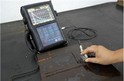
Quality control is of utmost importance in medical device manufacturing. Mechanical Property Testing is an integral part of the quality assurance process. After CNC machining, medical device components need to undergo a series of tests to ensure their mechanical properties meet the required standards. These tests may include tensile testing, hardness testing, and fatigue testing.


CNC machining itself contributes to quality assurance. The automated nature of the process reduces the risk of human error, resulting in consistent part quality. Additionally, modern CNC machines are equipped with advanced sensors and monitoring systems that can detect any deviations during the machining process. This real - time monitoring allows for immediate adjustments, ensuring that each part meets the specified quality criteria.
Cost - Efficiency
While the initial investment in CNC machining equipment may be significant, it offers long - term cost - efficiency in medical device manufacturing. Once the CNC program is set up, the production process can be highly automated, reducing labor costs. The high precision of CNC machining also minimizes material waste, as parts are cut with minimal scrap.
In large - scale production, the cost per unit can be significantly reduced. The ability to produce high - quality parts in large quantities with consistent quality makes CNC machining a cost - effective solution for medical device manufacturers. Even in small - batch production, the flexibility and speed of CNC machining can offset the costs associated with traditional manufacturing methods.
Challenges and Limitations
Despite its many advantages, CNC machining also faces some challenges in medical device manufacturing. One of the main challenges is the complexity of some medical device designs. Some devices may have extremely intricate geometries that are difficult to machine, even with advanced CNC technology. In such cases, additional manufacturing processes, such as Introduction To Sand Casting, may need to be combined with CNC machining to achieve the desired results.
Another challenge is the need for strict compliance with medical regulations. Medical device manufacturers must adhere to a variety of regulatory requirements, such as FDA (Food and Drug Administration) regulations in the United States. Ensuring that the CNC machining process and the final products meet these regulations requires careful documentation and quality control measures.
Our Role as a CNC Machining Supplier
As a CNC machining supplier, we understand the unique requirements of the medical device industry. We have a team of experienced engineers and technicians who are well - versed in the latest CNC machining technologies and medical standards. Our state - of - the - art CNC machines are capable of handling a wide range of materials and complex designs.
We work closely with medical device manufacturers from the design phase to the production phase. Our engineers can provide valuable insights and suggestions on design optimization to ensure that the parts can be machined efficiently and cost - effectively. We also have a comprehensive quality control system in place, which includes in - process inspections and final product testing.
Conclusion
In conclusion, CNC machining can indeed be effectively used for medical device manufacturing. Its precision, material compatibility, prototyping and customization capabilities, quality assurance, and cost - efficiency make it a valuable tool in the medical device industry. While there are challenges and limitations, with the right expertise and technology, these can be overcome.
If you are in the medical device manufacturing industry and are looking for a reliable CNC machining partner, we would be delighted to discuss your project. Our team is committed to providing high - quality, customized CNC machining solutions that meet your specific needs. Contact us today to start a conversation about how we can help you achieve your manufacturing goals.
References
- Smith, J. (2020). Precision Manufacturing in the Medical Industry. Journal of Medical Manufacturing, 10(2), 45 - 52.
- Johnson, A. (2019). CNC Machining for Custom Medical Devices. Manufacturing Technology Review, 15(3), 67 - 74.
- Brown, R. (2021). Material Selection in Medical Device Manufacturing. Materials Science Journal, 22(4), 89 - 98.