
Introduction to Quality Control
Quality control (QC) is a crucial process in any manufacturing or service - related industry. It involves the set of activities and techniques used to ensure that products or services meet or exceed specified quality standards. QC aims to identify defects, errors, or deviations from the desired quality level during various stages of production, from raw material inspection to the final product delivery. By implementing effective quality control measures, companies can enhance customer satisfaction, reduce waste and rework, improve brand reputation, and gain a competitive edge in the market.
1. Jining Wabon Precision Metal Co., Ltd
Company Introduction
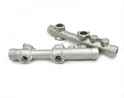
Jining Wabon Precision Metal Co., Ltd is a leading player in the precision metal manufacturing industry. Based in Jining, China, the company is well - known for its high - precision metal parts production. It has a state - of - the - art manufacturing facility equipped with advanced machinery and technology, enabling it to handle complex metal processing tasks. The company serves a wide range of industries such as automotive, aerospace, electronics, and medical devices.
In the automotive industry, Wabon provides key metal components for engines, transmissions, and braking systems. These components must meet strict tolerances and quality requirements to ensure the safety and reliability of vehicles. In the aerospace sector, the parts produced by Wabon are used in aircraft structures and avionics systems, where the quality standards are extremely high due to the critical nature of flight operations.
Quality Control Features
- Advanced Inspection Equipment: The company is equipped with high - precision measuring instruments such as coordinate measuring machines (CMMs). These machines can accurately measure the dimensions of metal parts within micrometers, ensuring that each part conforms to the design specifications. For example, when producing a complex gear for an automotive transmission, the CMM can precisely measure the tooth profile, pitch, and diameter of the gear, detecting any deviations from the ideal dimensions.
- Stringent In - process Inspection: Wabon has a comprehensive in - process inspection system. At each manufacturing stage, from cutting the raw material to the final finishing process, quality control personnel conduct inspections. For instance, during the machining process, operators use gauges and sensors to check the surface finish, hardness, and other properties of the parts. This real - time inspection helps to identify and correct any quality issues immediately, reducing the likelihood of defective products reaching the next production stage.
- Supplier Quality Management: The company places great emphasis on the quality of raw materials. It has a strict supplier evaluation and selection process. Before partnering with a supplier, Wabon conducts a thorough audit of their manufacturing facilities, quality control systems, and production processes. Once a supplier is approved, regular quality inspections are carried out on the incoming raw materials. For example, when purchasing steel for its metal parts, Wabon verifies the chemical composition, mechanical properties, and surface quality of the steel through laboratory testing.
Company's Advantage
- Technical Expertise: The company has a team of highly skilled engineers and technicians with extensive experience in precision metal processing. They continuously research and develop new manufacturing techniques to improve product quality and production efficiency. For example, they may develop a new heat - treatment process to enhance the hardness and toughness of metal parts, which can better withstand the harsh working conditions in automotive or aerospace applications.
- Customization Capability: Wabon can provide customized metal parts according to the specific requirements of different customers. Whether it is a small - batch production of a unique part for a medical device or a large - scale production of standard automotive components, the company can quickly adjust its production processes and equipment to meet the customer's needs. This flexibility allows Wabon to serve a diverse customer base and gain a competitive advantage in the market.
Website: https://www.wabon-metals.com/
2. Toyota Motor Corporation
Company Introduction
Toyota Motor Corporation is a global automotive manufacturing giant headquartered in Toyota City, Japan. Founded in 1937, it has grown to become one of the largest and most respected car manufacturers in the world. Toyota produces a wide range of vehicles, including sedans, SUVs, trucks, and hybrid cars. Its popular models such as the Corolla, Camry, and RAV4 are well - known and widely sold in countries around the world.
The company has a vast global production network with manufacturing plants in multiple countries. This allows it to localize production, reduce costs, and better meet the needs of different regional markets. Toyota also invests heavily in research and development to drive innovation in automotive technology, such as the development of hybrid and electric vehicle technologies.
Quality Control Features
- Toyota Production System (TPS): TPS is the core of Toyota's quality control and production management. It is based on two main pillars: just - in - time (JIT) production and jidoka (automation with a human touch). JIT production aims to produce the right quantity of parts at the right time, minimizing inventory and waste. For example, parts are delivered to the assembly line exactly when they are needed, reducing the storage time and potential for damage or obsolescence. Jidoka allows machines to stop automatically when a problem is detected. This ensures that defective products are not passed on to the next stage of production.
- Total Quality Management (TQM): Toyota implements TQM across the entire organization. All employees, from top - level management to front - line workers, are involved in quality control. Regular quality improvement activities are carried out, and quality control circles are formed to encourage employees to identify and solve quality - related problems. For instance, workers on the assembly line may suggest improvements to the assembly process to reduce the number of defects.
- Supplier Quality Assurance: Toyota has a long - term partnership with its suppliers and provides them with technical support and training to improve their quality control capabilities. The company conducts strict inspections on incoming parts from suppliers. It also has a system for evaluating and ranking suppliers based on their quality performance. If a supplier fails to meet the quality requirements, Toyota will work with them to implement corrective actions.
Company's Advantage
- Reputation for Reliability: Over the years, Toyota has built a strong reputation for producing reliable vehicles. This reputation is based on its consistent focus on quality control. Customers around the world trust Toyota cars for their durability, low maintenance costs, and long - term performance. For example, many taxis in different cities are Toyota vehicles because of their reliability and fuel efficiency.
- Continuous Improvement Culture: Toyota has a culture of continuous improvement, known as kaizen. This culture encourages all employees to look for ways to improve processes, products, and services. Whether it is reducing production time, improving product quality, or enhancing customer satisfaction, every employee is empowered to make suggestions and implement changes. This continuous improvement drives the company's long - term success.
3. Siemens AG
Company Introduction
Siemens AG is a German multinational conglomerate with a diverse range of business areas, including energy, healthcare, industry, and infrastructure. Founded in 1847, the company has a long history of innovation and technological leadership.
In the energy sector, Siemens is involved in the development, production, and maintenance of power generation equipment such as gas turbines, wind turbines, and power transmission systems. In healthcare, it offers a wide range of medical devices, including imaging systems like MRI and CT scanners, as well as laboratory diagnostics equipment. In the industrial sector, Siemens provides automation solutions, industrial software, and electrical equipment for various manufacturing industries.
Quality Control Features
- Certified Quality Management Systems: Siemens adheres to international quality management standards such as ISO 9001. The company has a well - documented quality management system that covers all aspects of its business processes, from product design and development to production, installation, and after - sales service. For example, in the development of a new medical imaging system, the quality management system ensures that all design requirements are met, and the product undergoes rigorous testing before it is launched in the market.
- Risk - based Quality Management: Siemens uses a risk - based approach to quality control. It identifies potential risks in the product life cycle, such as design flaws, manufacturing defects, and operational risks. Then, appropriate risk mitigation measures are taken. For instance, in the production of a gas turbine, the company assesses the risks associated with high - temperature operation, vibration, and corrosion. Based on these risk assessments, it develops preventive maintenance plans and quality control measures to ensure the reliable operation of the turbine.
- Global Quality Assurance Network: With its global presence, Siemens has established a comprehensive quality assurance network. This network includes quality control centers in different regions, which are responsible for monitoring and ensuring the quality of products and services in their respective areas. The centers share information and best practices across the globe, enabling the company to maintain consistent quality standards worldwide.
Company's Advantage
- Technological Innovation: Siemens is at the forefront of technological innovation in its various business areas. Its continuous investment in research and development allows it to develop high - quality products with advanced features. For example, its latest MRI scanners use advanced imaging technologies to provide higher - resolution images, which are crucial for accurate medical diagnosis.
- Integrated Solutions: The company can provide integrated solutions that combine multiple products and services. For example, in an industrial automation project, Siemens can offer a complete package that includes automation hardware, software, and engineering services. This integration not only simplifies the customer's procurement process but also ensures the compatibility and high - quality performance of the entire system.
4. Samsung Electronics Co., Ltd
Company Introduction
Samsung Electronics is a South Korean multinational electronics company. It is one of the largest electronics manufacturers in the world, producing a wide range of consumer electronics, smartphones, tablets, TVs, and semiconductor products.
In the smartphone market, Samsung is a major player with its Galaxy series of smartphones. These devices are known for their high - end features, large - screen displays, and powerful performance. Samsung also leads in the semiconductor industry, producing memory chips such as DRAM and NAND flash memory, which are used in various electronic devices.
Quality Control Features
- Product Testing at Multiple Stages: Samsung conducts extensive product testing at every stage of the production process. For smartphones, this includes testing the components such as the display, battery, camera, and processor during the manufacturing process. The finished smartphones are then subjected to a series of performance tests, including durability tests (such as drop tests and bend tests), software compatibility tests, and network connectivity tests. For semiconductor products, Samsung uses advanced testing equipment to check the electrical characteristics and functionality of the chips.
- Quality Assurance in Supply Chain: Samsung has a strict supply chain quality control system. It works closely with its suppliers to ensure the quality of raw materials and components. For example, when sourcing display panels for its smartphones, Samsung verifies the quality of the panels through on - site inspections at the supplier's factories and laboratory testing. The company also has a system for monitoring and managing the quality of suppliers over time.
- Customer Feedback - Driven Improvement: Samsung actively collects and analyzes customer feedback to improve its product quality. Customer complaints and suggestions are taken seriously, and the company uses this information to make design and manufacturing improvements. For example, if customers complain about the battery life of a particular smartphone model, Samsung will investigate the issue and make changes to the battery design or power management software in future models.
Company's Advantage
- Vertical Integration: Samsung has a high degree of vertical integration in its business. It manufactures many of the key components used in its products, such as memory chips, displays, and processors. This allows the company to have better control over the quality and supply of these components. For example, by producing its own displays, Samsung can ensure that the displays used in its smartphones meet its high - quality standards.
- Brand Recognition: Samsung has a strong global brand recognition. Consumers around the world trust the Samsung brand for its quality and innovation. This brand reputation gives Samsung an advantage in the market, allowing it to command a premium price for its products and attract a large customer base.
5. Boeing Company
Company Introduction
The Boeing Company is an American multinational aerospace and defense corporation. Founded in 1916, it is one of the largest aerospace companies in the world. Boeing designs, manufactures, and sells commercial airplanes, military aircraft, satellites, and space systems.
In the commercial aviation sector, Boeing's 737, 747, 777, and 787 series of aircraft are widely used by airlines around the world. These aircraft are known for their advanced technology, fuel efficiency, and passenger comfort. In the defense and space sector, Boeing provides military aircraft such as the F/A - 18 Super Hornet, and it is also involved in space exploration projects, including the development of rockets and satellites.
Quality Control Features
- Design Verification and Validation: Boeing has a rigorous design verification and validation process for its aerospace products. During the design stage, engineers use advanced computer - aided design (CAD) and simulation tools to analyze the performance and safety of the aircraft. For example, they simulate the aerodynamics of the aircraft to ensure its stability and efficiency during flight. Once the design is finalized, physical prototypes are built and tested in various conditions, including wind tunnel tests and flight tests.
- Manufacturing Process Control: The company has strict control over its manufacturing processes. Each production step is carefully monitored, and quality control checkpoints are established. For example, in the assembly of an aircraft, the installation of components such as wings, engines, and avionics systems is inspected to ensure proper alignment and connection. Boeing also uses advanced manufacturing technologies such as robotics and automation to improve the precision and consistency of the manufacturing process.
- Safety - Centric Quality Management: Safety is the top priority in Boeing's quality control. The company adheres to strict safety regulations and standards set by international aviation authorities. It conducts regular safety audits and risk assessments to identify and address potential safety hazards. For example, in the development of a new aircraft model, Boeing analyzes the potential risks associated with different flight scenarios and takes measures to mitigate these risks.
Company's Advantage
- Technological Leadership: Boeing is at the forefront of aerospace technology. It invests heavily in research and development to develop new aircraft designs, materials, and propulsion systems. For example, the Boeing 787 Dreamliner uses advanced composite materials, which are lighter and stronger than traditional aluminum alloys, resulting in better fuel efficiency and longer - range capabilities.
- Global Service Network: Boeing has a comprehensive global service network to support its customers. This network includes maintenance, repair, and overhaul (MRO) facilities, as well as technical support teams. Airlines around the world can rely on Boeing's service network to ensure the safe and reliable operation of their Boeing aircraft.
6. Nestlé S.A.
Company Introduction
Nestlé S.A. is a Swiss multinational food and beverage company. Founded in 1866, it is one of the largest food companies in the world, with a wide range of products including baby food, coffee, dairy products, confectionery, and pet food.
Nestlé's popular brands include Nescafé coffee, Maggi instant noodles, KitKat chocolate, and Gerber baby food. The company has a global presence, with manufacturing plants and sales offices in numerous countries. It focuses on meeting the diverse nutritional needs of consumers around the world, from infants to adults.
Quality Control Features
- Raw Material Quality Assurance: Nestlé has a strict raw material sourcing and quality control system. It works closely with suppliers to ensure the quality and safety of raw materials. For example, when sourcing coffee beans for Nescafé, the company selects beans from specific regions and conducts detailed quality inspections, including tests for flavor, aroma, and chemical composition. The company also has traceability systems in place to track the origin of raw materials.
- Hygiene and Sanitation Standards: In its manufacturing plants, Nestlé adheres to strict hygiene and sanitation standards. The production facilities are regularly cleaned and disinfected, and employees are trained on proper hygiene practices. For example, in the production of dairy products, the processing equipment is thoroughly cleaned and sterilized between batches to prevent contamination.
- Product Testing and Certification: Nestlé conducts extensive product testing to ensure that its products meet quality and safety standards. This includes sensory testing, chemical analysis, and microbiological testing. For example, before a new confectionery product is launched, it undergoes taste tests by a panel of experts, as well as laboratory tests to check for the presence of harmful substances. The company also obtains various certifications, such as ISO 22000 for food safety management.
Company's Advantage
- Consumer Trust: Nestlé has built a strong reputation for quality and safety over many years. Consumers around the world trust Nestlé products for their consistent quality and taste. This trust allows the company to maintain a large market share and introduce new products with confidence.
- Research and Development in Nutrition: The company invests heavily in research and development in the field of nutrition. It aims to develop products that meet the changing nutritional needs of consumers, such as low - calorie, high - fiber, and fortified foods. For example, Nestlé has developed a range of baby food products that are specifically formulated to provide the right balance of nutrients for infants at different stages of development.
7. Philips N.V.
Company Introduction
Philips N.V. is a Dutch multinational technology company that focuses on healthcare, lighting, and consumer lifestyle products. Founded in 1891, it has a long history of innovation and technological leadership.
In the healthcare sector, Philips is a leading provider of medical equipment and solutions, including patient monitoring systems, imaging devices, and healthcare informatics. In the lighting business, Philips is known for its energy - efficient lighting products, such as LED lights. The consumer lifestyle products division offers a range of products, including electric shavers, hair dryers, and coffee makers.
Quality Control Features
- Design for Quality: Philips emphasizes design for quality in its product development process. Engineers and designers work together to ensure that products are designed to be reliable, easy to use, and maintainable. For example, in the design of a patient monitoring system, the user interface is designed to be intuitive, and the system is built to withstand the harsh environment of a hospital.
- Manufacturing Quality Assurance: The company has strict manufacturing quality control processes. It uses advanced manufacturing technologies and quality control tools to ensure the consistency and quality of its products. For example, in the production of LED lights, Philips uses automated testing equipment to check the light output, color temperature, and energy efficiency of each light bulb.
- Post - market Surveillance: Philips conducts post - market surveillance to monitor the performance and safety of its products. Customer feedback, complaints, and field failures are analyzed to identify potential quality issues. If a problem is detected, the company takes appropriate corrective actions, such as product recalls or software updates. For example, if a particular model of electric shaver has a high failure rate, Philips will investigate the issue and take steps to improve the product.
Company's Advantage
- Innovation in Healthcare Technology: Philips is at the forefront of innovation in healthcare technology. It continuously develops new medical devices and solutions to improve patient care. For example, its latest patient monitoring systems use advanced sensors and data analytics to provide real - time and accurate patient information, which helps doctors make better treatment decisions.
- Sustainable Product Development: Philips is committed to sustainable product development. In its lighting business, it focuses on developing energy - efficient LED lights that reduce energy consumption and environmental impact. In other product lines, the company also uses sustainable materials and manufacturing processes to minimize its carbon footprint.
8. BMW AG
Company Introduction
BMW AG is a German multinational automotive company. Founded in 1916, it is known for producing luxury cars, motorcycles, and engines. The company's product portfolio includes sedans, coupes, SUVs, and high - performance sports cars under the BMW brand.
BMW's vehicles are renowned for their driving dynamics, advanced technology, and premium design. Models such as the 3 Series, 5 Series, and X5 are popular among luxury car buyers around the world. The company also has a successful motorcycle division, producing a range of high - quality motorcycles that are known for their performance and style.
Quality Control Features
- Precision Manufacturing Processes: BMW uses state - of - the - art manufacturing processes to ensure the high quality of its vehicles. For example, in the body - in - white production, robots are used for precise welding and assembly. The paint shop uses advanced painting techniques to provide a smooth and durable finish. The company also has a strict quality control system for the installation of engines and transmissions, ensuring their proper alignment and functionality.
- Quality Control in Research and Development: BMW integrates quality control into its research and development process. Before a new vehicle model is launched, it undergoes extensive testing and validation. This includes virtual testing using computer - aided engineering (CAE) tools, as well as physical testing on test tracks and in real - world conditions. For example, a new engine design is tested for performance, fuel efficiency, and emissions under various operating conditions.
- Customer - Centric Quality Management: BMW places a strong emphasis on customer satisfaction. It collects customer feedback through various channels, such as surveys and after - sales service. The company uses this feedback to improve its product quality and service. For example, if customers complain about the infotainment system in a particular model, BMW will work on improving the system's functionality and user interface.
Company's Advantage
- Brand Image and Reputation: BMW has a strong brand image and reputation for luxury, performance, and quality. The brand is associated with high - end engineering and driving pleasure. This brand image allows BMW to command a premium price for its products and attract a loyal customer base.
- Continuous Innovation in Technology: BMW is constantly innovating in automotive technology. It invests in research and development in areas such as electric vehicles, autonomous driving, and connected car technology. For example, the BMW i series of electric vehicles showcases the company's commitment to sustainable and high - tech mobility solutions.
9. Johnson & Johnson
Company Introduction
Johnson & Johnson is an American multinational medical devices, pharmaceutical, and consumer goods company. Founded in 1886, it is one of the largest and most diversified healthcare companies in the world.
The company's product portfolio includes a wide range of medical devices, such as surgical instruments, orthopedic implants, and contact lenses. In the pharmaceutical sector, it develops and manufactures drugs for various therapeutic areas, including immunology, oncology, and infectious diseases. The consumer goods division offers well - known brands such as Band - Aid, Tylenol, and Johnson's Baby products.
Quality Control Features
- Regulatory Compliance: Johnson & Johnson adheres to strict regulatory requirements in all its business areas. In the medical device and pharmaceutical industries, it must comply with regulations set by agencies such as the U.S. Food and Drug Administration (FDA) and the European Medicines Agency (EMA). The company has a comprehensive quality management system that ensures compliance with these regulations. For example, in the production of pharmaceutical drugs, the manufacturing process is closely monitored to ensure the purity, potency, and stability of the drugs.
- Product Testing and Validation: The company conducts extensive product testing and validation at every stage of the product life cycle. For medical devices, this includes pre - clinical testing, clinical trials, and post - market surveillance. For consumer goods, products are tested for safety, efficacy, and quality. For example, before a new baby lotion is launched, it undergoes skin irritation tests and stability tests to ensure its safety for infants.
- Supply Chain Quality Management: Johnson & Johnson has a robust supply chain quality management system. It works closely with suppliers to ensure the quality of raw materials and components. The company conducts regular audits of suppliers' facilities and quality control systems. For example, when sourcing raw materials for pharmaceutical drugs, the suppliers must meet strict quality standards, and their manufacturing processes are carefully evaluated.
Company's Advantage
- Diversified Product Portfolio: The company's diversified product portfolio allows it to spread its risks and capture opportunities in different healthcare and consumer goods markets. For example, if the demand for a particular pharmaceutical drug declines, the company can rely on its medical device or consumer goods business to maintain its revenue.
- Research and Development Capability: Johnson & Johnson has a strong research and development capability. It invests heavily in scientific research to develop new products and improve existing ones. For example, in the field of oncology, the company is constantly researching and developing new cancer treatments to improve patient outcomes.
10. Intel Corporation
Company Introduction
Intel Corporation is an American multinational semiconductor company. Founded in 1968, it is one of the world's largest and most influential semiconductor manufacturers. Intel is best known for its microprocessors, which are used in a wide range of computers and other electronic devices, including desktop computers, laptops, servers, and embedded systems.
The company's processors are known for their high performance, energy efficiency, and advanced technology. Intel also produces other semiconductor products such as chipsets, graphics processing units (GPUs), and solid - state drives (SSDs).
Quality Control Features
- Fabrication Process Control: Intel has a highly advanced and precise fabrication process for manufacturing its semiconductor chips. The process involves multiple steps, such as photolithography, etching, and doping. Each step is carefully controlled to ensure the accuracy and consistency of the chip's design. For example, in the photolithography process, which is used to pattern the chip's circuitry, Intel uses state - of - the - art lithography equipment to achieve extremely small feature sizes.
- Product Testing and Sorting: After the chips are fabricated, they undergo extensive testing. Intel uses a variety of testing techniques, including electrical testing, functional testing, and performance testing. The chips are sorted based on their performance and quality levels. For example, some chips may be classified as high - performance chips and sold at a premium price, while others may be labeled as lower - performance chips and sold at a lower price.
- Intel Quality Assurance Program: Intel has a comprehensive quality assurance program that covers all aspects of its business. It includes quality control in research and development, manufacturing, and customer service. The company also has a continuous improvement process, where it analyzes quality data and takes corrective actions to improve its products and processes.
Company's Advantage
- Technological Leadership in Semiconductors: Intel is at the forefront of semiconductor technology. It has a long history of innovation and has made significant contributions to the development of the semiconductor industry. For example, the company has been instrumental in the development of Moore's Law, which states that the number of transistors on a microchip doubles approximately every two years.
- Strong Ecosystem and Partnerships: Intel has a strong ecosystem of partners, including computer manufacturers, software developers, and other technology companies. This ecosystem allows Intel to ensure the compatibility and performance of its products in a wide range of applications. For example, Intel works closely with computer manufacturers to optimize the performance of its processors in their laptops and desktops.
Conclusion
The ten companies mentioned above are leaders in their respective industries in terms of quality control. Each company has its unique approach and features in quality control, which are closely related to their business nature and market demands.
Jining Wabon Precision Metal Co., Ltd focuses on precision metal manufacturing and uses advanced inspection equipment and in - process inspection to ensure the quality of its metal parts. Toyota Motor Corporation's Toyota Production System and Total Quality Management have made it a benchmark for quality in the automotive industry. Siemens AG adheres to international quality standards and uses a risk - based approach to manage quality across its diverse business areas.
Samsung Electronics conducts extensive product testing and manages its supply chain quality to maintain high - quality consumer electronics. Boeing Company's strict design verification and safety - centric quality management are crucial for the aerospace industry. Nestlé S.A. emphasizes raw material quality and hygiene standards in the food and beverage industry.
Philips N.V. integrates quality into product design and conducts post - market surveillance to improve its products. BMW AG uses precision manufacturing and customer - centric quality management to produce luxury vehicles. Johnson & Johnson complies with strict regulations and conducts comprehensive product testing in the healthcare and consumer goods sectors. Intel Corporation controls its fabrication process and conducts extensive product testing to maintain its leadership in the semiconductor industry.
Overall, these companies' commitment to quality control not only helps them meet customer expectations but also gives them a competitive edge in the global market. Their experiences and best practices can serve as valuable references for other companies in different industries to improve their own quality control systems.