


Precision casting is a casting process that precision foundry is more familiar with. The process of precision casting is mainly divided into wax pressing, shell making, pouring, post-treatment and inspection. The steps of pressing wax include pressing wax, repairing wax and making up trees. Shell making includes three steps: sand hanging, pulp hanging and air drying. Post-treatment includes sandblasting, shot blasting, correction and pickling, etc., and inspection includes wax inspection, primary inspection, intermediate inspection and finished product inspection.
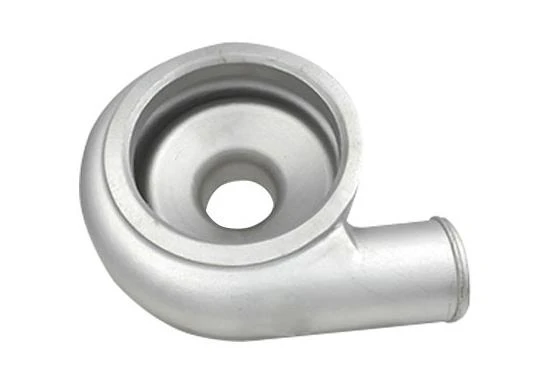
After holding the pressure, the mold should be opened to take out the precision casting product, so the time from the end of the injection to the opening of the die casting mold is called the opening time. Opening the mold in enough time can make the precision casting have a certain strength in the mold. If the time of opening and ejecting is not consistent, it will lead to deformation and cracking of the product.
Precision Foundry
If the die opening time is too short, it will also lead to the casting at a relatively low strength on the mold release, which will also lead to casting deformation. When die casting, the liquid metal from the beginning of the die casting mold cavity to the filling cavity, this period of time required by precision casting manufacturers called it filling time. The length of filling time depends on the size and complexity of the casting, generally simple casting filling time is very fast.
The length of the holding time depends on the material and wall thickness of the precision casting parts. If it is the casting with high melting point, large crystallization temperature range and thick wall, the holding time will be longer; If the crystallization range is relatively small, the wall thickness is relatively thin casting, then the holding time will be shorter.
When the holding pressure operation is carried out, the manufacturer should also control the holding pressure time well. If the holding pressure time is insufficient, it is easy to lead to shrinkage defects in the casting, but if the holding pressure time is too long, it will not play a very big role, but will cause difficulties in removing the residual material of the vertical die casting machine. Therefore, controlling the holding pressure time is also a very key point.
