


Introduction
Stainless steel is widely used in modern industries for its excellent corrosion resistance, strength, and durability. However, its high melting point and poor fluidity make casting more challenging than ordinary carbon steel. Choosing the right stainless steel casting process is crucial to ensure dimensional accuracy, surface quality, and production efficiency. Among various options, investment casting, sand casting, and shell molding are the three most common methods.
Investment Casting - The Preferred Process for Stainless Steel
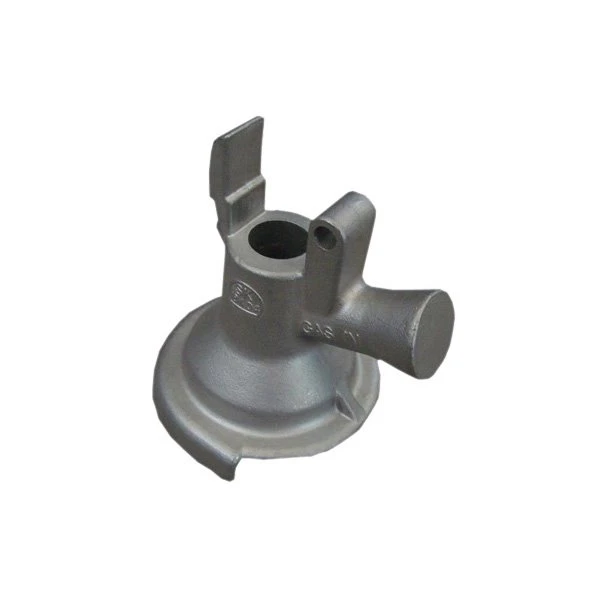
Investment casting stainless steel (also known as lost wax casting) is the most widely used method due to its superior accuracy and surface finish.
The process involves creating a wax pattern, coating it with ceramic slurry, drying to form a shell, melting out the wax, and finally pouring molten stainless steel into the shell.
Advantages
- Exceptional dimensional precision (CT4–CT6)
- Smooth surface finish (Ra 1.6–6.3 μm)
- Suitable for thin-walled and complex geometries
- Reduces or eliminates the need for machining
Disadvantages
- Higher production cost and longer cycle time
- Requires skilled process control and specialized equipment
Typical Applications
Valves, impellers, pump bodies, pipe fittings, medical and food machinery parts, and precision industrial components.
Sand Casting - Suitable for Large or Simple Stainless Steel Parts
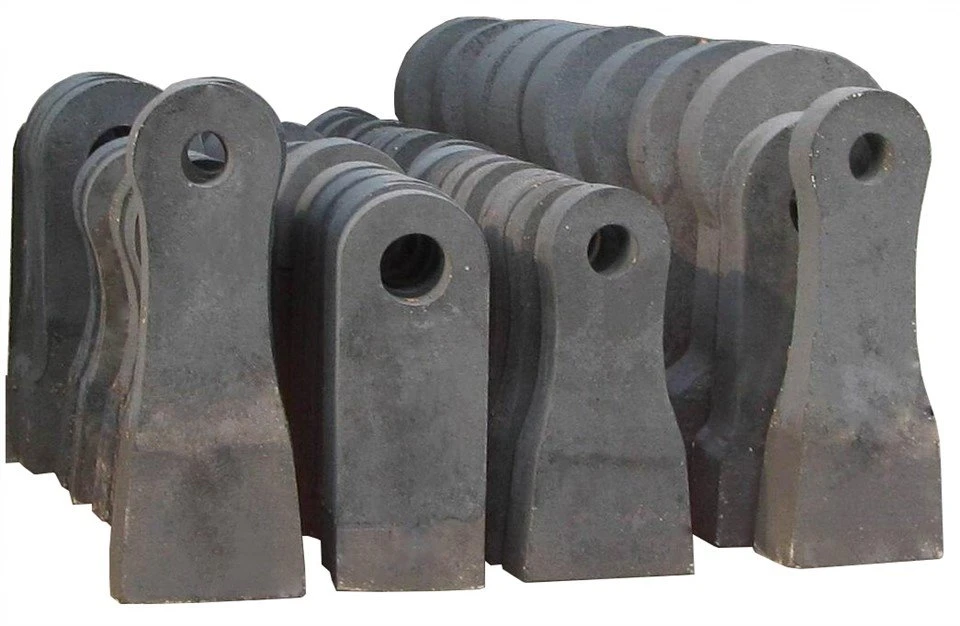
Sand casting is the oldest and most economical method, using sand as the mold material. While the surface finish and precision are limited, it remains ideal for large-scale stainless steel parts where cost efficiency is a priority.
Advantages
- Low tooling cost
- Flexible and suitable for large or heavy castings
- Simple production process
Disadvantages
- Low dimensional accuracy (CT8–CT10)
- Rough surface (Ra 12.5–50 μm)
- Tendency to cause sand inclusion and oxidation defects due to high pouring temperature
Typical Applications
Large pump housings, flanges, frames, machine bases, and other heavy-duty structural components.
Shell Molding - A Mid-Level Precision Alternative
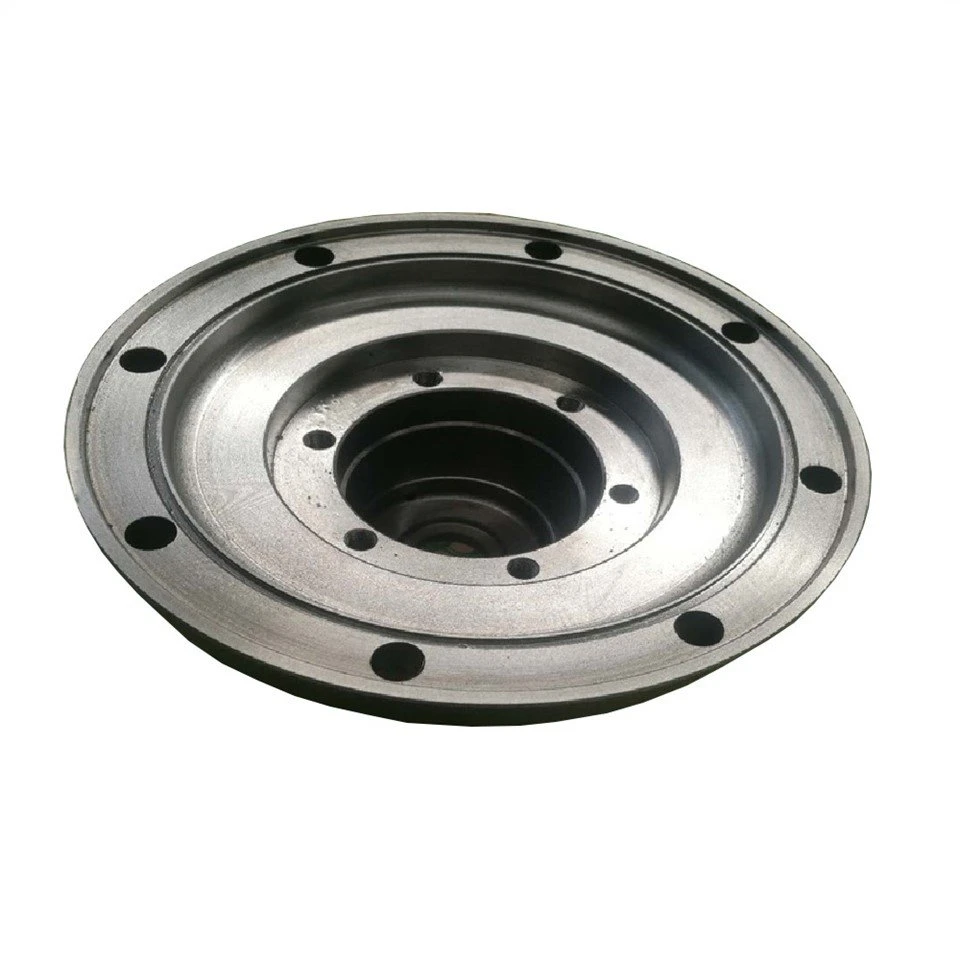
Shell molding (or shell casting) lies between sand and investment casting in terms of accuracy and cost. It uses resin-coated sand to form a thin, strong shell mold around a heated metal pattern.
Advantages
Medium-to-high dimensional accuracy (CT6–CT8)
Better surface quality than sand casting
Suitable for medium-sized components and batch production
Disadvantages
Higher tooling investment than sand casting
Limited to moderately complex shapes
Typical Applications
Small and medium-sized valve bodies, brackets, pump covers, and machinery housings.
Conclusion
In modern foundries, investment casting stainless steel remains the preferred method for high-precision, complex, and thin-walled components, offering the best combination of surface quality and accuracy.
For large or low-precision parts, sand casting is more economical, while shell molding serves as an effective compromise between the two.
