


The aerospace industry's demand for high-precision, heat-resistant components is driving rapid evolution in silica sol precision casting. As aircraft and spacecraft push toward lighter weights, higher fuel efficiency, and longer service lives, three key trends are reshaping how silica sol casting serves this critical sector-with established players like Wabon Precision Metal Co. Ltd leading the charge in turning these trends into actionable solutions for manufacturers.
First, advanced material integration is elevating component performance. Traditional silica sol casting relied heavily on stainless steel and titanium alloys, but 2024 has seen a surge in the use of superalloys like Inconel 718 and Hastelloy X. These materials, when paired with optimized silica sol binders, withstand extreme temperatures (up to 1,200°C) and corrosion-essential for engine turbines and rocket nozzles. Wabon, which has specialized in precision investment casting for over 20 years, leverages its deep material expertise here: the company's professional engineers not only guide clients in selecting the right superalloy-silica sol combinations but also deliver tailored product improvement plans to enhance component durability while cutting part costs-a key priority for aerospace OEMs balancing performance and budget.
Second, automation and digitalization are cutting defects and boosting consistency. Aerospace components demand near-zero tolerance, and manual silica sol casting processes often struggled with variability. Today, 3D-printed wax patterns are replacing traditional injection-molded ones, enabling complex geometries (such as hollow turbine blades) with dimensional accuracy within ±0.1mm. Wabon complements this trend with its robust quality control infrastructure: the company houses a full suite of testing equipment, including tools for dimensional inspection, chemical composition analysis, mechanical property testing, non-destructive testing, and metallographic examination. This setup ensures that even highly complex 3D-printed castings meet aerospace standards, while real-time process oversight-aligned with industry digitalization goals-minimizes defects and maintains batch-to-batch uniformity.
Third, sustainability is becoming a non-negotiable factor. Aerospace OEMs are pressuring suppliers to reduce carbon footprints, and silica sol casting is adapting-with Wabon integrating sustainable practices into its 20-year-old precision casting framework. From adopting low-waste material handling to optimizing energy use in production, the company's strong management team ensures that sustainability does not come at the cost of precision. This aligns with broader industry efforts, such as the shift to water-based silica sol binders (which cut VOC emissions by 60%) and scaled-up ceramic shell recycling, as Wabon works to meet clients' net-zero goals alongside performance requirements.
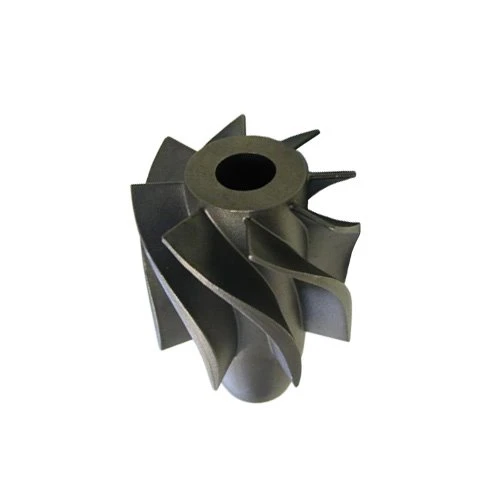
For aerospace component manufacturers, partnering with providers that embody these trends is critical. Silica sol casting's unique ability to produce complex, high-performance parts makes it irreplaceable-but only if suppliers can combine technical expertise with practical support. Wabon's decades of experience, coupled with its end-to-end services (from technical consulting to cost-saving product tweaks) and rigorous quality systems, positions it to help clients navigate the evolving landscape. As Mike Thompson, aerospace casting director at Alcoa, notes: "The future of aerospace silica sol casting isn't just about precision-it's about delivering parts that are lighter, greener, and more reliable than ever before." With companies like Wabon turning trends into tangible solutions, 2024 is set to be a pivotal year for the technology's role in shaping the next generation of aircraft and spacecraft.
