


Precision casting of stainless steel components has become a critical manufacturing process across multiple industries due to its ability to produce complex geometries with excellent surface finish and dimensional accuracy. This advanced metal forming technique offers distinct advantages for applications requiring corrosion resistance, high strength, and tight tolerances.
The investment casting process for stainless steel begins with creating a precise wax pattern that replicates the final part geometry. Modern foundries utilize advanced pattern-making techniques including 3D printing for prototype development and short production runs. These patterns are then assembled into clusters and coated with multiple layers of ceramic slurry to create the mold shell.
Material selection plays a crucial role in stainless steel precision casting. Common grades include 304 and 316 austenitic stainless steels for general corrosion resistance, 17-4PH precipitation hardening steel for high-strength applications, and 2205 duplex stainless steel for superior chloride resistance. Each alloy requires specific process parameters during melting, pouring, and heat treatment to achieve optimal mechanical properties.
Recent technological advancements have significantly improved stainless steel casting quality. Computer simulation software now predicts solidification patterns and potential defect locations, allowing engineers to optimize gating systems before production begins. Vacuum-assisted casting techniques reduce porosity and improve material density, particularly important for pressure-containing components.
The medical industry represents one of the fastest-growing application areas for precision cast stainless steel parts. Surgical instruments, implantable devices, and diagnostic equipment benefit from the biocompatibility and sterilization capability of properly processed 316L medical-grade stainless steel. Cast components often require less machining than wrought alternatives, reducing production costs for complex shapes.
In the aerospace sector, precision cast stainless steel parts provide reliable performance in critical applications such as fuel system components, actuator housings, and turbine engine parts. The ability to maintain material properties at elevated temperatures makes certain stainless steel alloys ideal for these demanding environments. Advanced heat treatment processes including solution annealing and aging further enhance performance characteristics.
The food processing industry extensively uses precision cast stainless steel components for pumps, valves, and mixing equipment. The smooth as-cast surfaces minimize bacterial growth sites while the inherent corrosion resistance withstands frequent cleaning and sanitization. Special polishing techniques can achieve surface finishes below 0.8 micrometer Ra for ultra-hygienic applications.
Quality control measures for stainless steel precision castings have become increasingly sophisticated. Modern foundries employ X-ray inspection, liquid penetrant testing, and computerized coordinate measurement machines to verify dimensional accuracy and internal integrity. Statistical process control methods monitor critical parameters throughout production to ensure consistency across batches.
Environmental considerations have driven process improvements in stainless steel casting. Many foundries now use recyclable ceramic mold materials and recover metal from sprue and gate systems. Energy-efficient melting furnaces and heat recovery systems reduce the carbon footprint of production while maintaining strict quality standards.
Future developments in stainless steel precision casting focus on expanding material options and improving production efficiency. Research continues on new alloy formulations offering enhanced properties such as improved wear resistance or higher temperature capability. Automation of finishing operations including cutting, grinding, and polishing promises to reduce labor costs while improving consistency.
The global market for precision cast stainless steel parts continues to grow as manufacturers recognize the advantages of near-net-shape production. Compared to traditional machining from billet or forging, precision casting often provides better material utilization and lower total cost for complex components. As technology advances, the range of applications suitable for cast stainless steel solutions continues to expand across multiple industries.
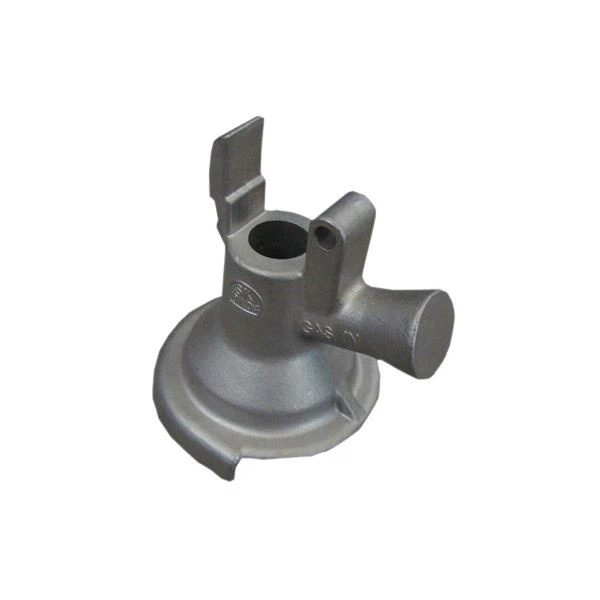
For engineers and designers, understanding the capabilities and limitations of stainless steel precision casting enables better material and process selection. Early collaboration with experienced foundries during the design phase can optimize parts for manufacturability while meeting all performance requirements. The combination of design flexibility, material properties, and cost efficiency makes precision casting an attractive option for stainless steel components in demanding applications.
