


Introduction to Sand Casting Technology
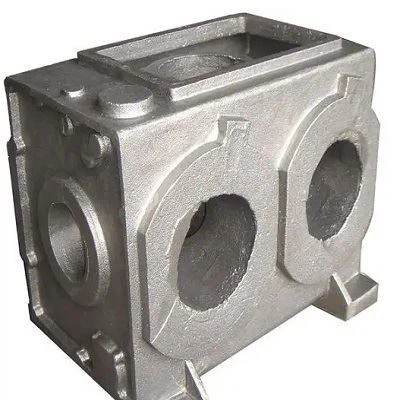
Sand casting remains one of the most versatile and cost-effective methods for manufacturing large metal components. At Jining Wabon Precision Metal Co., Ltd., we combine traditional foundry expertise with modern precision techniques to deliver high-quality cast parts for industrial applications worldwide.
Why Choose Sand Casting for Large Parts?
Cost Efficiency
Lower tooling costs compared to other casting methods
Economical for small to medium production runs
Reduced material waste through optimized gating systems
Design Flexibility
Accommodates complex geometries and intricate details
Suitable for parts ranging from 0.5kg to several tons
Allows for last-minute design modifications
Material Versatility
Works with ferrous and non-ferrous alloys
Compatible with stainless steel, carbon steel, aluminum, and more
Can produce parts with varying wall thicknesses
Mining & Construction Equipment
Durable wear parts for heavy machinery
Large gear housings
Excavator components
Energy Sector
Turbine casings
Pipeline components
Renewable energy system parts
Production Process Overview
Pattern creation
Mold preparation using premium silica sand
Melting and pouring
Cooling and shakeout
Finishing (grinding, machining, surface treatment)
Emerging Trends in Sand Casting
Increased adoption of 3D printed sand molds
Growing demand for sustainable foundry practices
Integration of IoT for real-time process monitoring
Development of new binder systems for improved eco-friendliness
Future Market Outlook
The global sand casting market is projected to grow at 5.8% CAGR through 2028, driven by:
Infrastructure development in emerging economies
Replacement demand in water and energy sectors
Advancements in casting simulation software
Increased automation in foundry operations
Contact Our Engineering Team
Email: info@waboncast.com
Phone: +86 151 6670 5032
