


The cost control of precision castings for agricultural machinery (such as engine blocks, gearbox gears, suspension system components, etc.) directly affects the market competitiveness of the entire agricultural machinery. Its cost is influenced by multiple core factors, including raw materials, process design, and production management. The following is an analysis of key dimensions and feasible cost optimization paths:
I. Core Influencing Factors
1. Raw Material Selection and Utilization Rate
Material Cost Proportion: The market price of commonly used materials for agricultural machinery castings (ductile iron, gray cast iron, aluminum alloy, cast steel) directly determines the basic cost. For example, high-strength cast steel is more expensive than ordinary cast iron, and aluminum alloy is more expensive than traditional cast iron.
Utilization Rate Impact: Waste in raw material cutting, burn-off during smelting, and metal loss due to unreasonable gating and riser design directly increase the material consumption cost per unit product.
2. Process Design
Casting Process Selection: Different processes have significant differences in equipment investment, energy consumption, and production efficiency. For example, sand casting equipment has lower costs but limited precision and requires more subsequent machining; investment casting (lost-wax casting) can meet high precision requirements, but mold making cycles are long and material consumption is high, making it suitable for complex and precision parts; pressure casting is efficient but requires large equipment investment, making it suitable for mass production of aluminum alloy castings.
Mold Design and Lifespan: The complexity of the mold structure and the quality of the material directly affect the mold manufacturing cost and lifespan. Inappropriate mold design (such as difficulty in demolding or easy wear) increases the frequency of mold maintenance and replacement costs, which are then amortized to each casting.
Subsequent Machining Requirements: Overly high precision design or redundant structures in castings lead to increased machining (such as excessive machining allowances and complex hole positions), increasing machining time, tool wear, and labor costs; conversely, insufficient precision may lead to assembly defects, resulting in rework costs.
3. Production Efficiency and Scale
Automation Level: Production lines with a high proportion of manual operation not only have high labor costs but are also prone to increased scrap rates due to human error; using automated molding, pouring, and cleaning equipment can improve production efficiency and reduce reliance on manual labor and scrap losses.
Production Batch Size: Small-batch, multi-variety production increases mold changeover frequency and production scheduling costs, making it difficult to amortize equipment depreciation and mold costs. Large-scale production reduces the fixed costs per unit product (equipment depreciation, mold amortization, and management costs).
Equipment Utilization: Idle time of casting equipment (furnaces, molding machines, and testing equipment) directly increases energy consumption and depreciation costs per unit product. Reasonable production planning and optimized production cycle time can improve equipment utilization.
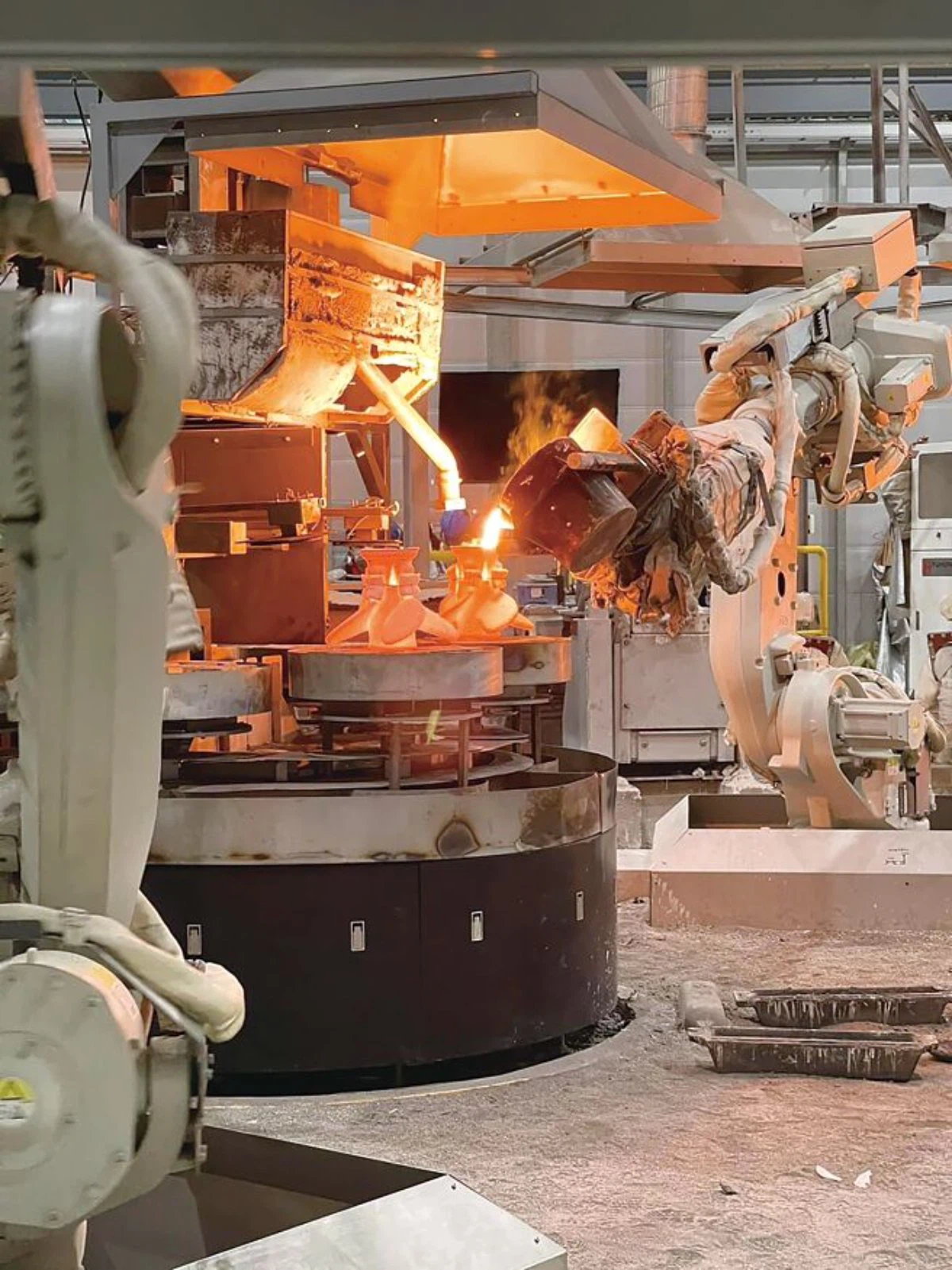
4. Quality Control and Scrap Rate
Impact of Scrap Rate: Agricultural machinery castings have strict requirements for strength, wear resistance, and sealing. Defects such as porosity, shrinkage cavities, cracks, and inclusions during production can lead to casting scrap or rework, directly increasing the ineffective consumption of materials, energy, and labor.
Inspection Costs: Necessary process inspections (such as pre-furnace composition analysis and non-destructive testing) can reduce the scrap rate, but excessive inspections (such as repeated inspections and inspections exceeding standards) increase investment in inspection equipment and labor costs. A balance must be struck between inspection costs and scrap losses.
5. Supply Chain and Production Management
Raw Material Procurement Channels: Centralized procurement and long-term strategic supplier partnerships can secure better raw material prices, reducing procurement and transportation costs and inventory backlog risks; decentralized or ad-hoc procurement is prone to increased costs due to price fluctuations and transportation delays.
Energy Consumption and Environmental Costs: Smelting and casting processes have high energy consumption, and high-energy-consuming equipment drives up production costs; with stricter environmental requirements, non-compliant production lines need to invest in environmental protection equipment (such as waste gas treatment and waste residue recycling devices), increasing environmental investment costs.
Inventory Management: Excessive raw material inventory ties up capital and increases warehousing costs; insufficient inventory may lead to production interruptions, affecting delivery cycles and incurring default costs.
II. Cost Optimization Directions (No uncertain data, focusing on actionable steps)
Optimize Raw Material Management: Select materials with suitable cost-effectiveness (e.g., replacing cast steel with gray cast iron for non-critical components), optimize casting structure design to reduce material consumption, and recycle risers, gating systems, and other scrap metal to improve raw material utilization.
Optimize process and mold design: Select appropriate processes based on casting precision requirements and batch size, simplify mold structure, use wear-resistant mold materials to extend service life, and reduce machining allowances to lower subsequent machining costs.
Enhance production automation and scale: Gradually introduce automated production equipment to reduce reliance on manual labor; focus on large-scale production of core castings to amortize fixed costs.
Strengthen quality control: Optimize process parameters such as melting, pouring, and cooling; strengthen process inspection to reduce scrap rates and rework costs, avoiding unnecessary consumption.
Optimize supply chain and management: Establish long-term partnerships with high-quality suppliers to reduce procurement costs; adopt energy-saving equipment and processes to reduce energy expenditures; rationally control inventory to improve capital turnover.
