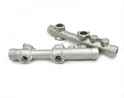

Heat treatment is a controlled process used to alter the physical, and sometimes chemical, properties of a material. As a leading heat treatment supplier, I have witnessed firsthand the diverse and impactful applications of heat-treated materials across various industries. In this blog post, I will explore some of the key applications of heat-treated materials and how they contribute to the functionality and performance of countless products.
Automotive Industry
The automotive industry is one of the largest consumers of heat-treated materials. Heat treatment plays a crucial role in enhancing the mechanical properties of automotive components, ensuring their durability and reliability.
Engine Components
Engine components such as crankshafts, camshafts, and connecting rods are subjected to high stresses and temperatures during operation. Heat treatment processes like quenching and tempering are used to increase the hardness and strength of these components, making them resistant to wear, fatigue, and deformation. For example, a heat-treated crankshaft can withstand the high rotational forces and loads generated by the engine, ensuring smooth and efficient operation over an extended period.
Transmission Components
Transmission components, including gears and shafts, also benefit from heat treatment. Through processes like carburizing and nitriding, the surface hardness of these components can be significantly increased, improving their resistance to wear and reducing friction. This not only enhances the performance of the transmission but also extends its service life. For instance, heat-treated gears can transmit power more efficiently, resulting in better fuel economy and reduced maintenance costs.
Suspension Components
Suspension components such as springs and shock absorbers are designed to absorb and dissipate the energy generated by the vehicle's movement. Heat treatment is used to optimize the strength and elasticity of these components, ensuring a comfortable and stable ride. By carefully controlling the heat treatment process, manufacturers can achieve the desired balance between stiffness and flexibility, improving the overall handling and safety of the vehicle.
Aerospace Industry
The aerospace industry demands materials with exceptional strength, toughness, and resistance to high temperatures and corrosion. Heat treatment is essential for meeting these stringent requirements and ensuring the safety and reliability of aerospace components.
Structural Components
Structural components such as aircraft frames, wings, and landing gear are subjected to extreme forces and environmental conditions during flight. Heat treatment processes like solution heat treatment and aging are used to strengthen these components and improve their resistance to fatigue and corrosion. For example, heat-treated aluminum alloys are commonly used in aircraft construction due to their high strength-to-weight ratio and excellent corrosion resistance.
Turbine Engine Components
Turbine engine components, including blades, discs, and shafts, operate at extremely high temperatures and pressures. Heat treatment is crucial for enhancing the creep resistance and high-temperature strength of these components, ensuring their long-term performance and reliability. Processes like hot isostatic pressing (HIP) and vacuum heat treatment are often used to produce turbine engine components with superior mechanical properties.
Fasteners
Fasteners such as bolts, nuts, and screws play a critical role in holding aerospace components together. Heat treatment is used to improve the strength and hardness of these fasteners, ensuring their ability to withstand the high loads and vibrations experienced during flight. By using heat-treated fasteners, aerospace manufacturers can enhance the safety and reliability of their aircraft.
Energy Industry
The energy industry relies on heat-treated materials to ensure the efficient and reliable operation of power generation, transmission, and distribution systems.
Power Generation
In power generation plants, heat-treated materials are used in various components such as boilers, turbines, and generators. Heat treatment processes like normalizing and annealing are used to improve the toughness and ductility of these components, ensuring their ability to withstand the high temperatures and pressures associated with power generation. For example, heat-treated steel pipes are commonly used in boilers to transport high-pressure steam, while heat-treated turbine blades are used to convert thermal energy into mechanical energy.
Oil and Gas Exploration
In the oil and gas industry, heat-treated materials are used in drilling equipment, pipelines, and refinery components. Heat treatment is essential for enhancing the corrosion resistance and wear resistance of these components, ensuring their long-term performance in harsh environments. Processes like induction hardening and surface hardening are often used to improve the surface properties of drilling tools and pipeline components, reducing maintenance costs and downtime.
Renewable Energy
The renewable energy sector, including wind and solar power, also benefits from the use of heat-treated materials. Heat treatment is used to improve the strength and durability of wind turbine blades, solar panels, and energy storage systems. By using heat-treated materials, renewable energy manufacturers can increase the efficiency and reliability of their products, making them more competitive in the market.
Medical Industry
The medical industry requires materials that are biocompatible, corrosion-resistant, and have excellent mechanical properties. Heat treatment is used to modify the properties of medical materials, making them suitable for a wide range of applications.
Surgical Instruments
Surgical instruments such as scalpels, forceps, and scissors are made from high-quality stainless steel that is heat-treated to improve its hardness and sharpness. Heat treatment processes like quenching and tempering are used to ensure that these instruments can cut through tissue cleanly and precisely, reducing the risk of infection and improving patient outcomes.
Implants
Medical implants such as hip and knee replacements, dental implants, and spinal fusion devices are made from materials such as titanium and cobalt-chromium alloys. Heat treatment is used to enhance the biocompatibility and mechanical properties of these implants, ensuring their long-term performance and integration with the body. Processes like surface treatment and heat treatment can improve the corrosion resistance and osseointegration of implants, reducing the risk of implant failure and improving patient quality of life.
Diagnostic Equipment
Diagnostic equipment such as X-ray machines, MRI scanners, and ultrasound devices rely on heat-treated materials to ensure their accurate and reliable operation. Heat treatment is used to improve the electrical conductivity and magnetic properties of these materials, enabling the efficient transmission and detection of signals. For example, heat-treated copper coils are commonly used in MRI scanners to generate the magnetic field required for imaging.
Manufacturing Industry
The manufacturing industry uses heat-treated materials in a wide range of products, from consumer goods to industrial machinery. Heat treatment is essential for improving the quality and performance of these products, ensuring their competitiveness in the market.
Tooling
Tooling such as cutting tools, dies, and molds are subjected to high stresses and wear during the manufacturing process. Heat treatment is used to increase the hardness and toughness of these tools, ensuring their ability to withstand the rigors of production. Processes like case hardening and nitriding are commonly used to improve the surface properties of tooling, extending their service life and reducing production costs.
Industrial Machinery
Industrial machinery such as pumps, compressors, and conveyors rely on heat-treated materials to ensure their efficient and reliable operation. Heat treatment is used to enhance the strength and durability of these components, ensuring their ability to withstand the high loads and vibrations associated with industrial applications. For example, heat-treated gears and bearings are commonly used in industrial machinery to transmit power and reduce friction, improving the overall efficiency and performance of the equipment.
Consumer Goods
Consumer goods such as knives, scissors, and kitchen utensils are made from heat-treated materials to improve their cutting performance and durability. Heat treatment processes like tempering and annealing are used to ensure that these products are sharp, strong, and resistant to corrosion. By using heat-treated materials, consumer goods manufacturers can produce high-quality products that meet the needs and expectations of their customers.
Surface Treatment and Mechanical Property Testing
In addition to heat treatment, surface treatment and mechanical property testing are also important processes in the manufacturing of high-quality products. Surface treatment can be used to improve the corrosion resistance, wear resistance, and aesthetic appearance of heat-treated materials. You can learn more about our Surface Treatment services on our website.
Mechanical property testing is used to evaluate the strength, hardness, toughness, and other mechanical properties of heat-treated materials. By conducting comprehensive mechanical property testing, we can ensure that our heat-treated materials meet the required specifications and standards. You can find more information about our Mechanical Property Testing services on our website.
Conclusion
As a heat treatment supplier, I am proud to be part of an industry that plays such a crucial role in the development and production of high-quality products. The applications of heat-treated materials are vast and diverse, spanning across various industries and sectors. From automotive and aerospace to energy and medical, heat treatment is essential for enhancing the mechanical properties, durability, and performance of countless products.


If you are interested in learning more about our Heat Treatment services or have any questions about the applications of heat-treated materials, please do not hesitate to contact us. We would be happy to discuss your specific requirements and provide you with a customized solution that meets your needs.
References
- ASM Handbook, Volume 4: Heat Treating. ASM International, 1991.
- Metals Handbook: Properties and Selection: Irons and Steels. ASM International, 1990.
- Heat Treating Principles and Processes. L. C. Smith, 1993.
- The Science and Engineering of Materials. Donald R. Askeland and Pradeep P. Phule, 2006.
- Manufacturing Engineering and Technology. S. Kalpakjian and S. R. Schmid, 2006.